Ecosystem Services

While California is one of the most ecologically rich places in the world, many of its ecosystems are severely degraded. More than 50% of California's lakes and rivers fail current water quality standards, and it's home to more at-risk species than any other state in the continental U.S.

There's an emerging solution to these and other environmental concerns that leverages the restorative power of nature. The concept is called "ecosystem services" - and involves cultivating the benefits of healthy ecosystems, including those found on California farms, ranches and forests.

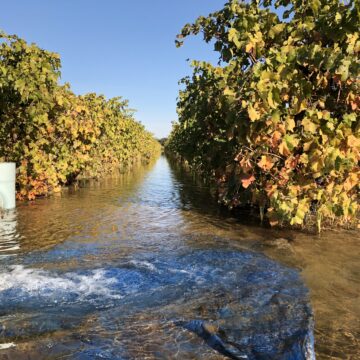
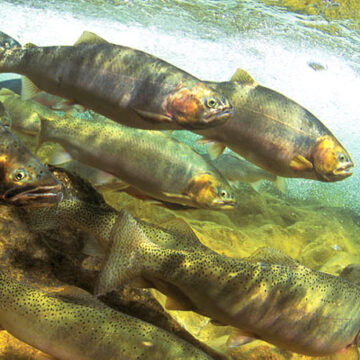
Examples include clean drinking water purified by wetlands, carbon held in soils and trees to regulate our climate, and bountiful fish populations living in intact rivers. In many cases, supporting healthy ecosystems can be achieved at a fraction of the cost of man-made solutions, which typically involve extensive infrastructure investment.

Quantifying the value of ecosystem services in economic terms has, however, proven challenging. Consequently, landowners who possess a strong land ethic, and who steward natural resources for the benefit of both people and wildlife, are not compensated for the benefits their land provides. Working landscapes are vulnerable to perceived "higher-value" uses - such as urban development - with the true wealth produced by healthy ecosystems often being undervalued in land-use decisions. At the same time, the full impact of unsustainable practices used on farms and ranches has typically ignored the degradation of once healthy ecosystems and their benefits.

Valuing Nature, Rewarding Stewardship

In 2009, Sustainable Conservation established a new program aimed at measuring the value of ecosystem services on private lands within California, and compensating landowners for their stewardship of the state's natural resources. Because more than 50% of all land in California is privately owned, partnerships with farmers, ranchers and foresters are vital in safeguarding and restoring nature's benefits.

Sustainable Conservation collaborates with visionary landowners, scientists, economists and policymakers to designate demonstration sites for our ecosystems services program; adapts computer models for measuring services at these sites; and establishes methods for generating revenue and payments to landowners for benefits rendered by their properties.

When possible, restoration activities are implemented under Sustainable Conservation's popular Partners in Restoration (PIR) program, which makes it easier, faster and cheaper for individuals to gain regulatory approval for restoration projects which promote clean water and healthy wildlife. The coupling of Sustainable Conservation's new ecosystem services program with PIR provides landowners, resource agencies and other conservation organizations an unparalleled opportunity to advance conservation on private lands while simultaneously improving the way natural resources are valued.

Sustainable Conservation's ecosystem services initiative represents a new approach for improving the long-term health of California's environment while strengthening the economic security of conservation-minded landowners and the communities in which they live. The result? Clean air and water, vibrant wildlife and habitat, and a more stable climate.

Resources

USDA Forest Service
Information about the most recent Farm Bill (2008) that has sections and programs encouraging landowner involvement in emerging ecosystem services.

Natural Resources Conservation Service (NRCS) Conservation Effects Assessment Project
NRCS's effort to quantify ecosystem services and build publicly-available tools to measure ecosystem services improved through projects funded with Farm Bill funds.

Parametrix, Inc. - EcoMetrix Tool
An example of a software tool that has been developed by Parametrix, Inc. to measure ecosystem services.

Markit Environmental Registry
An example of what an up-and-running ecosystem services registry and how a registry is utilized.

City of Santa Fe Watershed Plan
Watershed management plan is an example of one type of ecosystem services program - Payment for Ecosystem Services (PES) - that has been a successful way to protect the ecosystem services that provide clean water at a cheaper cost than building treatment facilities.