
California Conservation, Explained (FAQ Hub)
Your guide to the science, policy, and practice of sustainable water and land management – straight from the people working to find practical solutions.
Sustainable Conservation brings together farmers, government agencies, and conservation groups to find ways to protect California’s environment. We’ve gathered the questions we hear most about our field of work to help you navigate the complex world of water conservation in California.
Water & Groundwater
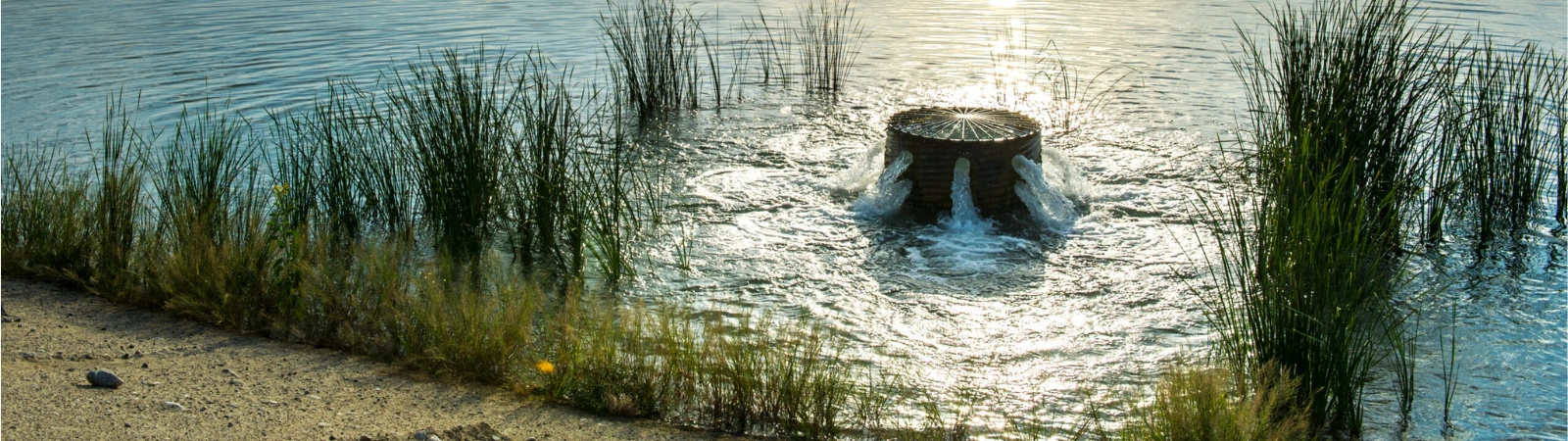
Water is the lifeblood of our state, but much of it is hidden beneath our feet in massive underground aquifers. Managing this resource properly is the only way to make sure our communities, farms, and ecosystems stay resilient through future droughts.
Through our Water for the Future program, we’re working hard to help people understand how to save water when it rains so it’s there when we need it most.
The Problem
The following questions explore the causes and consequences of water scarcity and groundwater depletion in California.
Yes, California has a massive amount of water stored in natural underground areas between sand, gravel, and rock called aquifers. People, farms, and even cities drill wells to access this water. In a typical year, this groundwater provides about 40% of California’s total water supply. During dry years, that percentage can rise as surface water from rivers and reservoirs runs low. Replenishing these aquifers and managing them for sustainable use is at the heart of our Water for the Future work.
We do save some rainwater in large surface reservoirs, but these can’t hold nearly enough to get us through long multi-year droughts. Much of our rain and snowmelt comes all at once in big storms, often running off too quickly for us to catch. We’re now working on better ways to guide that surplus stormwater into the ground. There, it can slowly filter through soil and rock to refill the aquifers that California depends on as a buffer against drought for drinking water, irrigation, and ecosystem health
An overdraft happens when we pump more water out of the ground than is being replaced by rain or snowmelt. If we keep doing this over time, the water levels drop, making it harder and more expensive for everyone to reach.
Decades of heavy pumping have caused groundwater levels in the Central Valley to drop significantly in many areas. This has left many rural communities with dry wells and led to land sinking in several parts of the region, which also impacts the infrastructure we need to deliver surface water across the state. Since the Valley is our nation’s most productive farming region, these water shortages threaten both our food supply and local economies.
Subsidence is a process where the ground physically sinks because the layers of soil and rock below have collapsed. This usually happens when too much groundwater is pumped out, leaving empty spaces that can’t support the weight of the land above.
How Recharge Works
The following questions explain the process of replenishing underground water supplies and the methods used.
Groundwater recharge is the process by which water moves from the surface down into the underground aquifers (large, underground layers of rock and sediment that store water and supply most of California’s wells). This can happen naturally when it rains or through managed efforts where we intentionally put water on the land to let it soak in. It’s essentially the only way we can refill the water we’ve taken out of the ground.
Recharging our aquifers helps us make sure that we have enough water to survive inevitable dry years and droughts. The practice helps stabilize or even raise water levels so wells don’t go dry and keeps the land from sinking. When we fill these underground basins, we’re building a more resilient water system for everyone in California.
Managed aquifer recharge (MAR) is a set of active techniques used to increase the amount of water that enters an underground aquifer. Instead of just letting rain fall where it may, we use infrastructure to guide surplus water to places where it can soak in quickly. This is a more proactive way to manage our water resources and prepare for a changing climate.
There are several on-farm recharge methods, including using dedicated recharge basins, which look like ponds designed to leak. We also promote on-farm recharge, where farmers flood their fields or orchards during the winter when suitable crops are dormant. Other methods include using dry wells to send water directly past thick clay layers into the sandy soil below.
The type of soil and rock underground determines how quickly or if water can move into an aquifer. Sandy soils and gravel allow water to flow down easily, while thick layers of clay can block it like a waterproof seal. We use tools like soil maps and technology like GRAT to find the best spots where water can actually reach the underground storage.
It depends entirely on the depth of the aquifer and the type of soil above it. In some places with sandy soil, water can reach the aquifer in a matter of days or weeks. But in deeper systems or areas with more clay, it can take months or even years for that surface water to fully integrate with the groundwater.
The groundwater recharge assessment tool (GRAT) is a software tool we co-developed to help water managers decide where and when to recharge groundwater. It uses data about soil, crops, and available water to find the most cost-effective places to put water into the ground. This tool helps local leaders make smarter choices about how to reach their sustainability goals.
California-Specific Approaches
The following questions are about strategies and programs being used specifically in California to replenish groundwater and manage water more sustainably.
Flood-MAR stands for Flood Managed Aquifer Recharge, and it is a strategy that uses high flows from big storms to refill aquifers. Instead of letting that floodwater cause damage downstream, we divert it onto working lands or natural areas to let it soak in. It’s a win-win because it reduces flood risk while also storing water for the future.
On-farm recharge involves using active farmland (like almond orchards or vineyards) to help water soak into the ground during the rainy season. While many farms can participate, it depends on having the right soil and the right crop that won’t be harmed by extra water. Our team at Sustainable Conservation works closely with farmers, farming groups, and even whole water districts to figure out which fields are best suited for this work without hurting their livelihoods.
While recharge is a huge part of the solution, it isn’t a magic fix on its own. We also need to be smarter about how much water we pump out and find ways to use water more efficiently. Recharge works best as part of a broader strategy: replenishing aquifers while also reducing the demand that depleted them in the first place.
Policy & Governance
The following questions cover the laws, agencies, and governance structures that regulate how California manages its groundwater.
The Sustainable Groundwater Management Act (SGMA) is a major piece of legislation that requires local groups to manage their groundwater so it’s sustainable for the long haul. Before this law, there were very few rules about how much groundwater anyone could pump in California. Now, regions must work together to make sure they aren’t taking out more than they’re putting back in.
The Sustainable Groundwater Management Act (SGMA) was signed into law by Governor Jerry Brown in 2014. This was the first time in California’s history that a framework was created for the local management of groundwater.
A groundwater sustainability agency (GSA) is a local organization made up of people from water districts, counties, and cities who manage groundwater in their specific area. These agencies are responsible for creating and following plans to make sure their groundwater is used sustainably. They are the primary groups making decisions about how water is used and recharged at the local level.
There are more than 260 of these agencies across the state, covering many different groundwater basins. Some basins have only one agency, while others have several that must work together to manage the same body of water. This local-first approach is designed to make sure the people who use the water have a say in how it’s managed.
DWR stands for the California Department of Water Resources, which is the state agency that oversees water management. They are responsible for reviewing the plans created by local GSAs to make sure they actually meet the goals of the law. DWR also provides technical help and data to help locals understand the water systems they are managing.
Habitat Restoration & Permitting
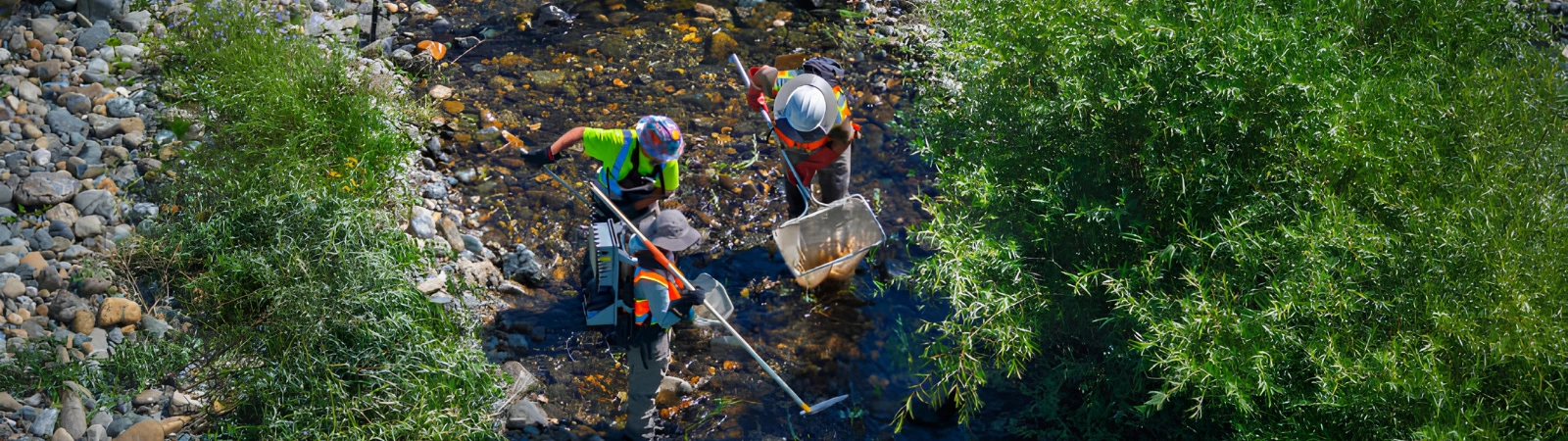
Our state’s natural landscapes, like rivers, wetlands, and forests, are the foundation of a healthy environment. But fixing damaged ecosystems can be surprisingly slow and often gets bogged down by lengthy regulatory processes.
With our Accelerating Restoration program, we’re working to clear these hurdles with environmental protections in place so that good restoration work can happen faster and at a much larger scale across California.
Habitat restoration is the process of helping an injured or destroyed ecosystem get back on its feet. This might mean planting native trees along a riverbank, removing old dams so fish can swim upstream, or bringing water back to a dry wetland. The goal is to return the land to a state where plants and wildlife can thrive on their own again.
California is home to thousands of species that can’t be found anywhere else on Earth, and many of them are struggling because their homes have been paved over or polluted. Restoring these areas helps bring back biodiversity and makes our landscapes more resilient to climate change. It also provides natural benefits for people, like cleaner water and better protection against floods.
Restoration projects in California often require permits from multiple local, state, and federal agencies simultaneously, each with its own process, timeline, and requirements. The combined time and cost of all of these can stretch into years, which is why many worthwhile projects stall before they ever break ground.
Accelerated restoration is a movement to speed up the timeline for projects that clearly benefit the environment. It helps find ways to simplify agency time and review without cutting corners on environmental protection. With a more efficient process, we can get more restoration work done while the funding and political will are available.
Our mission is to act as a bridge between the people doing the restoration work and the government agencies that issue the permits. Our team helps design programmatic permits that cover many projects at once, rather than making every single project start from scratch. This saves time, reduces costs, and lets conservationists focus on the actual work in the dirt.
A permitting pathway is essentially a pre-approved fast lane for specific types of restoration projects that follow a set of high-quality environmental standards. When a project fits into one of these pathways, it doesn’t have to go through the same long, individual review process as a commercial development. It’s a way to make sure good, beneficial projects are recognized and approved much more quickly.
When we can approve a project in months instead of years, we can move faster to save endangered fish or restore a meadow before it’s lost forever. Getting restoration done quickly means the benefits (like cooler water for salmon or nesting spots for birds) start happening much sooner.
Conservation moves fast in California. Stay in the loop.
New permits, updated tools, policy changes, project launches – our newsletter covers what’s changing and what it means for California’s land and water. A few times a year, straight to your inbox.
Farming & Soil Health
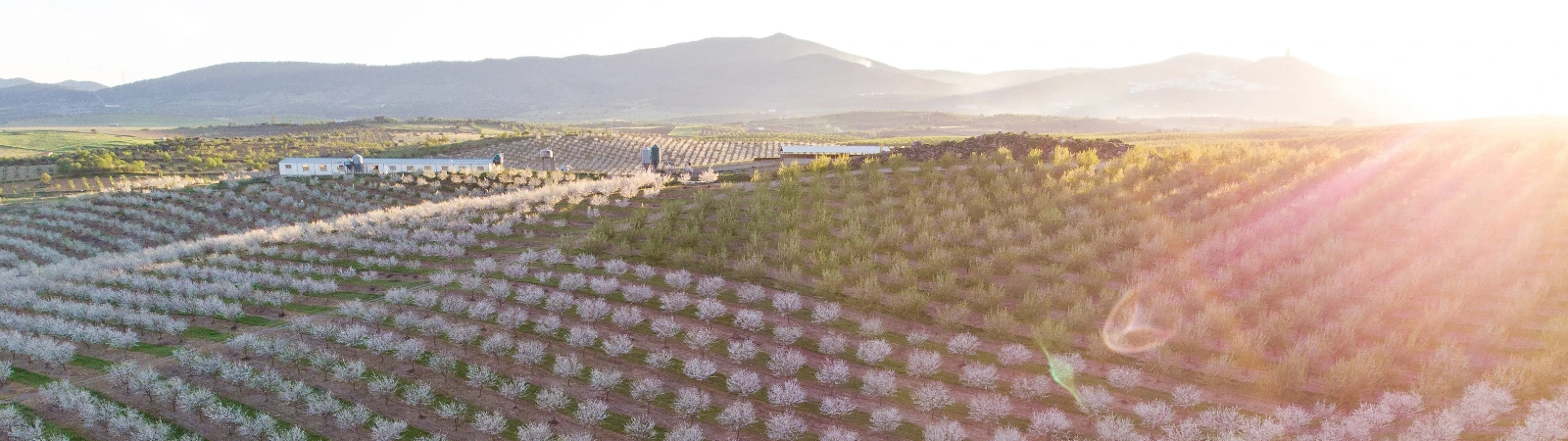
Soil is a living, breathing system that supports our food supply and helps manage our water. Our Solutions in Our Soil program focuses on the health of the ground beneath us, helping California’s farms become more resilient to extreme heat and long periods of drought. Sustainable farming makes sure the land stays productive for the generations to come.
Soil health is the ability of the ground to function as a living ecosystem that sustains plants, animals, and humans. Healthy soil is full of organic matter and tiny organisms like fungi and bacteria that help crops grow and stay strong. It’s important because healthy soil is the foundation of our entire food system and plays a huge role in cleaning our air and water.
When soil is healthy, it acts like a giant sponge that can soak up and hold onto a lot more water than dry, degraded dirt. It also helps fight climate change by pulling carbon out of the air and storing it safely underground. Additionally, healthy soil reduces the need for heavy chemical fertilizers, which keeps our local waterways cleaner for everyone.
Cover crops are plants like clover, rye, or mustard that are grown during the off-season when the main crop isn’t in the ground. Instead of leaving the field bare, these plants protect the soil from wind and rain erosion and add valuable nutrients back into the earth. They act like natural armor for the field, keeping the soil alive and productive all year round.
Rich, healthy soil with plenty of organic matter can hold much more moisture than unhealthy soil that has been over-farmed. This means that when it does rain, the water stays in the root zone longer, allowing the farmer to use less irrigation water later on. In a state like California, where water is scarce, improving soil health can improve recharge outcomes.
Tilling is the practice of digging up and turning over the soil to prepare it for planting, but it can damage the soil’s structure and release stored carbon. No-till or reduced-till farming leaves the soil undisturbed, which helps keep the underground ecosystem intact and prevents the ground from drying out.
We partner with farmers to test out these methods on their own land and provide the data they need to feel confident in making a change. Making the switch to new farming practices is a big risk, so we provide technical support and help them understand the long-term financial benefits. We know from over 30 years of experience that for a practice to be truly sustainable, it has to work for the farmer’s bottom line as well as the planet.
Yes, several state and federal programs offer cost-share funding to help farmers pay for things like cover crop seeds or new no-till equipment.
Agricultural runoff occurs when rainwater or irrigation water flows over farmland, picking up things like soil, nutrients, and manure along the way before entering nearby streams or rivers. This is a major concern because these extra nutrients, like nitrogen and phosphorus, can cause “algal blooms” that rob the water of oxygen and kill off fish and other aquatic life.
Managing how and where water moves across a dairy or a field means we can keep these nutrients on the land where they help crops grow rather than letting them become pollutants in our waterways.
Dairy & Agricultural Waste

California is the leading dairy state in the nation and a top producer of the milk, cheese, and butter that families across the country enjoy every day. But managing a dairy operation comes with significant environmental responsibilities, particularly regarding how we handle animal waste and protect our air and water.
Through our Waste Not program, we work with the dairy industry to turn these waste management challenges into opportunities for cleaner energy and healthier soils.
The primary challenge for dairies is managing the large volume of manure produced by herds in a way that doesn’t impact local water supplies or air quality. When manure isn’t handled correctly, it can release methane, a potent greenhouse gas, into the atmosphere or allow harmful nitrates to seep into the groundwater people use as drinking water below.
Farmers also face a complex web of regulations that require them to track every gallon of waste and prove they are protecting the environment while trying to stay profitable in a volatile market.
Manure management is the systematic process of collecting, storing, and eventually using animal waste as a resource rather than just treating it as a byproduct. In California, this often involves lagoon systems where liquid waste is stored before being applied to crops as fertilizer. Modern management focuses on finding ways to capture the energy from that waste or separating the solids from the liquids to make the nutrients easier to transport and use precisely where they’re needed.
Many tools and technologies exist on the market for dairies to manage their manure and water resources, but farmers have to consider their budgets, what’s right for their land and herd size, and how to manage resources when adopting “efficient” practices. There is no one-size-fits-all solution for healthy resource stewardship, which is why these farms need a deep toolbox to get to sustainability.
Larger California dairies can install methane digesters, which capture greenhouse gases from manure and turn them into renewable energy for the grid or for clean-burning trucks. These and other large-scale technologies can be cost-prohibitive for smaller dairies, however.
Others are adopting advanced irrigation systems that mix manure water with fresh water at very precise ratios, making sure crops get exactly the nutrients they need without excess nutrients leaking into the groundwater. With cost-share funding available, Manure Subsurface Drip Irrigation (MSDI) is a flexible irrigation solution that protects local groundwater quality. However, with efficient irrigation comes the question of what to do with excess manure.
We also see more farms using solid separators (machines that divide manure into liquid and solid portions), composting techniques, and other Alternative Manure Management Practices to create high-quality soil amendments that can be used on-site or sold to other farmers.
California’s Alternative Manure Management Program (AMMP) provides millions of dollars in grants to help farmers upgrade their systems. Similarly, NRCS’ Environmental Quality Incentives Program (EQIP) provides cost-share funding to help dairy farmers cover the upfront costs of manure storage, treatment, and nutrient management practices.
These funds help cover the high upfront costs of technology that reduces greenhouse gas emissions and protects water quality. Our role at Sustainable Conservation is scaling MSDI or proven tech and solutions, and investigating the market and drivers for producing manure compost.
About Sustainable Conservation
At Sustainable Conservation, we focus on being a convener and an honest broker for the benefit of both nature and people. We listen to different groups and forge common ground together that leads to long-term wins for California’s environment.

We’re a nonprofit organization that works to protect California’s land, air, and water through collaboration. Our team brings together people from agriculture, government, and environmental groups to solve our toughest resource problems. We believe that environmental solutions should also be good for business so they can last for generations.
No, we’re an independent 501(c)(3) nonprofit organization and not part of the state or federal government. While we’re not an agency, we work very closely with government groups to help make their processes more efficient and effective for everyone. This independence allows us to act as an honest broker between the public sector and private landowners.
Sustainable Conservation focuses on building coalitions and finding shared solutions that benefit both the environment and the economy. Our work is driven by science and the belief that the best way to make lasting change is to work together.
Our work is focused entirely within the state of California, where we address some of the most pressing water and land challenges. You’ll find us working in the Central Valley, along the coast, and in our mountain headwaters to support healthy ecosystems. We focus our efforts wherever we can bring people together to improve the stewardship of our natural resources.
We don’t usually provide direct grants or financial funding to other organizations or individuals. Instead, we provide technical expertise, help groups find funding sources, and work to make regulatory processes more effective. Our goal is to create the right conditions for conservation projects to succeed across the entire state.
Get Involved
The solution to California’s environmental challenges lies in the collective action of many dedicated individuals and organizations. If you’re looking for technical guidance and how to make a lasting impact, there’s a clear path for you to join this work. Our success depends on people like you who are willing to invest in a collaborative future for our state.

Yes, we often partner with local Resource Conservation Districts (RCDs) and other agencies to provide technical expertise to landowners who want to improve their environmental footprint. While Sustainable Conservation itself may not always be the one in the field with you, we can almost always point you toward the right experts, funding streams, or permitting pathways that make your project easier to complete.
We’re always looking for new partners in the agricultural, governmental, and environmental sectors who are committed to finding pragmatic, science-based solutions. If your organization is interested in collaborating on a specific water, soil, or habitat project, the best first step is to reach out to our team through our website to start a conversation.
The easiest way to stay in the loop is to sign up for our newsletter and follow us on our social media channels, where we share regular updates on project milestones and policy shifts. We also publish a blog with in-depth stories from the field and maintain an extensive Technical Resource Library filled with deeper reports, tools, and data that drive our work.
Stay connected and be the first to know about new opportunities to participate in our events, webinars, and advocacy efforts.
Still have questions?
Dig into the technical details in our resource library, or bring your specific question to our team directly. Either way, you’re in the right place.