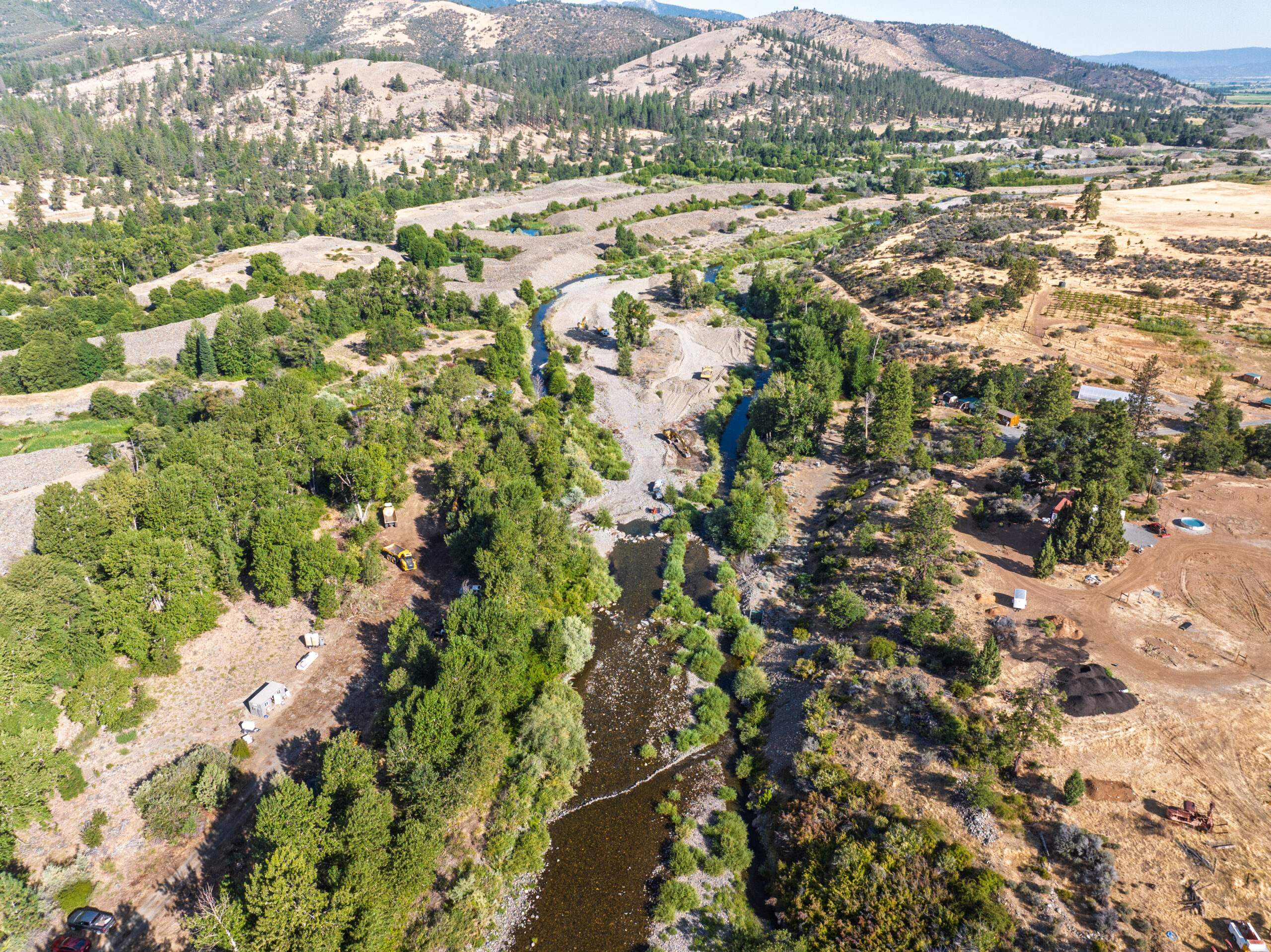
The Scott River is one of the most productive tributaries in the Klamath Basin for coho salmon and other native fish and serves as a key corridor for ecological, cultural, and agricultural resilience in far-northern California. Generations of impacts from Gold Rush–era mining left behind towering piles of tailings, disconnected floodplains, and stretches of dry riverbed that restrict fish passage and diminish water supply reliability for local communities. These legacies continue to challenge the Tribes, residents, and farmers who depend on a healthy Scott River for recreation and livelihood.
Sustainable Conservation’s webinar featuring the Scott River restoration project
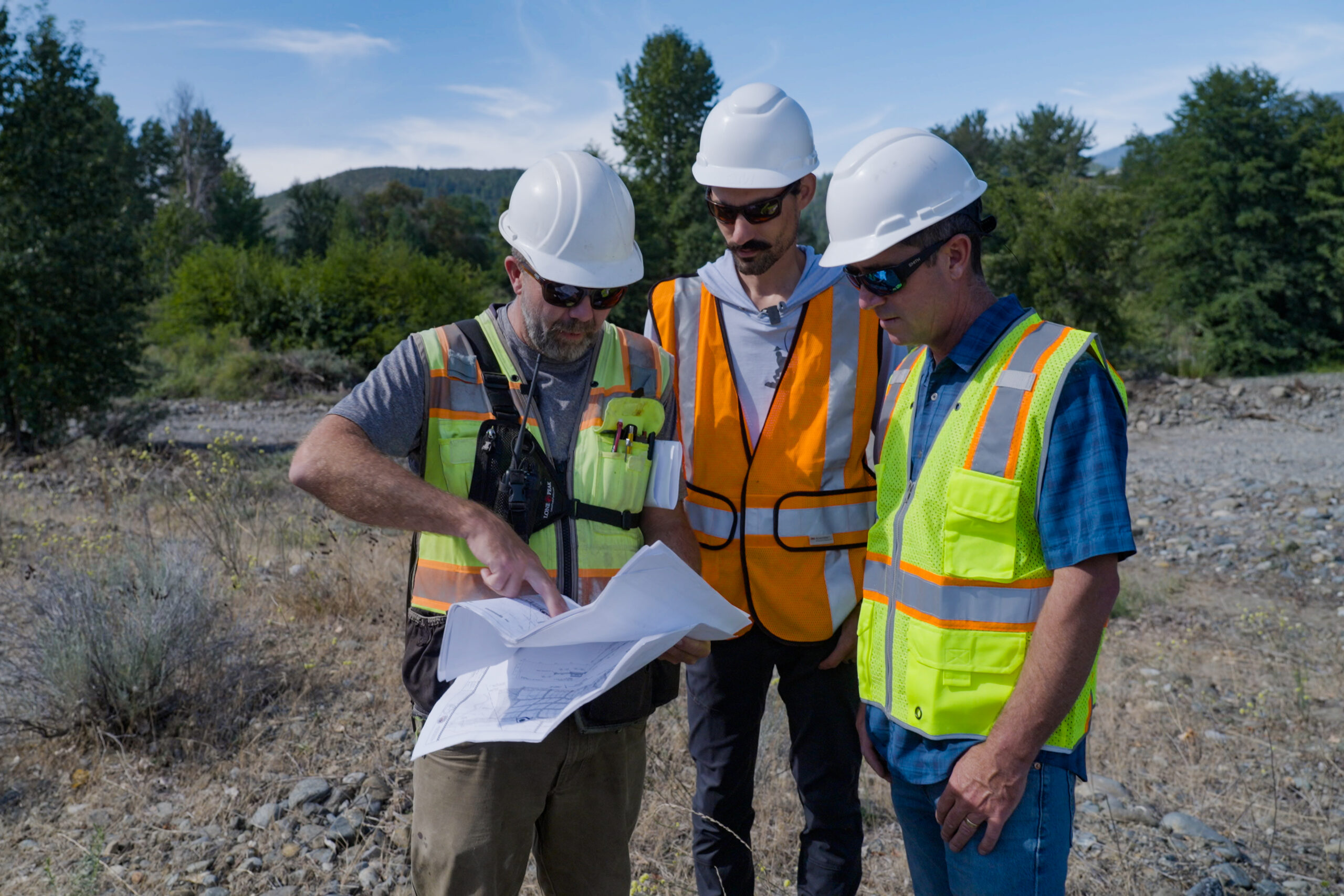
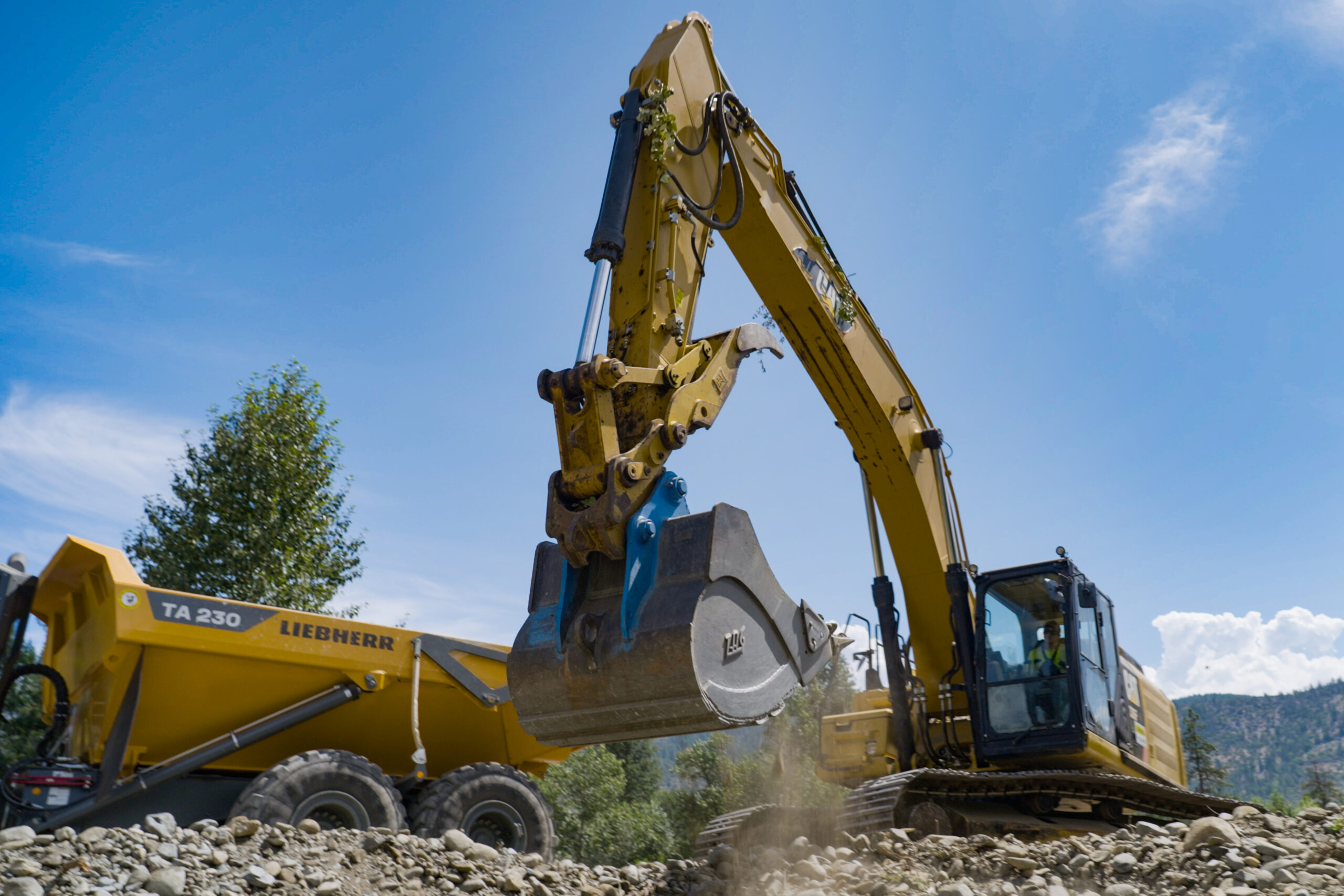
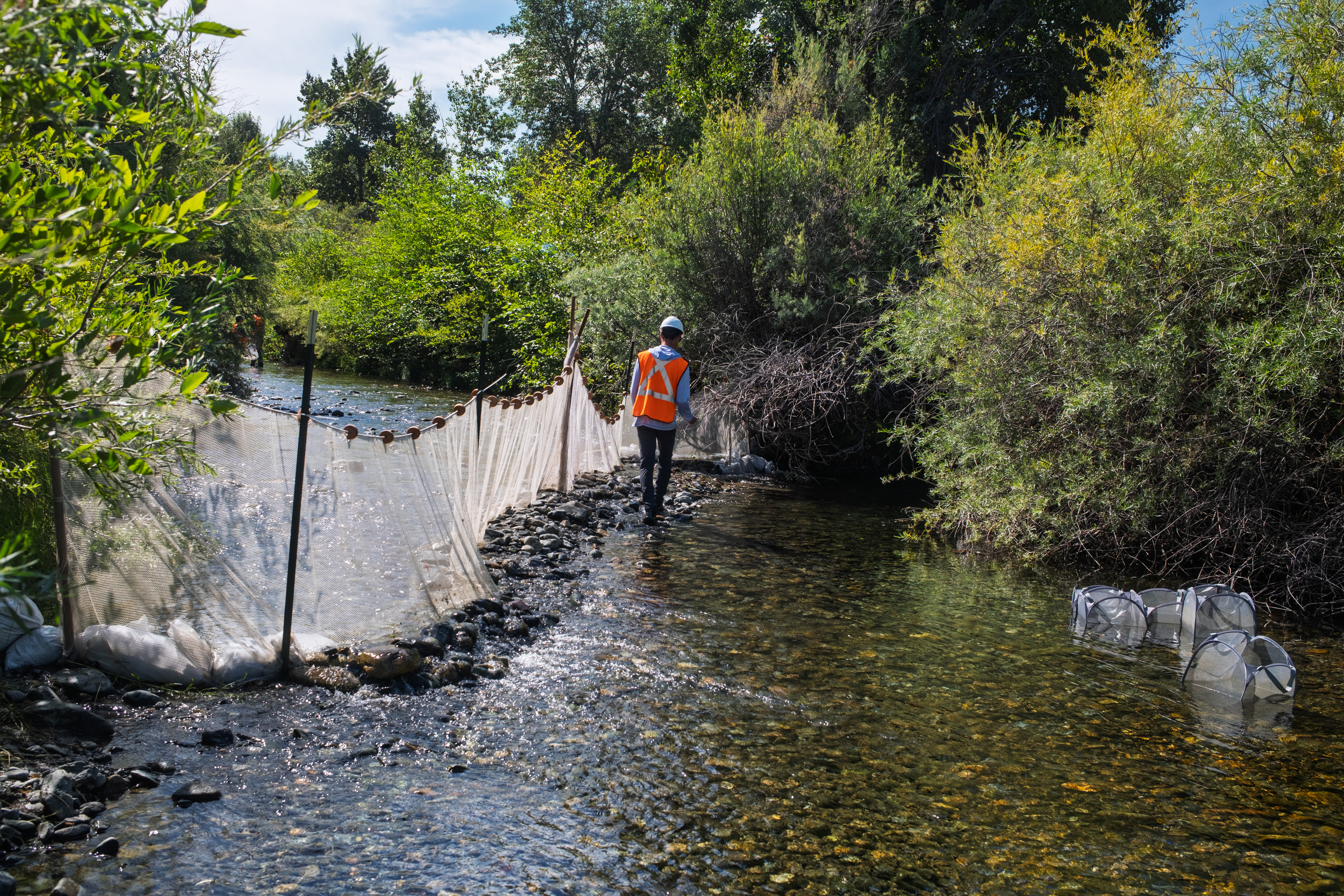
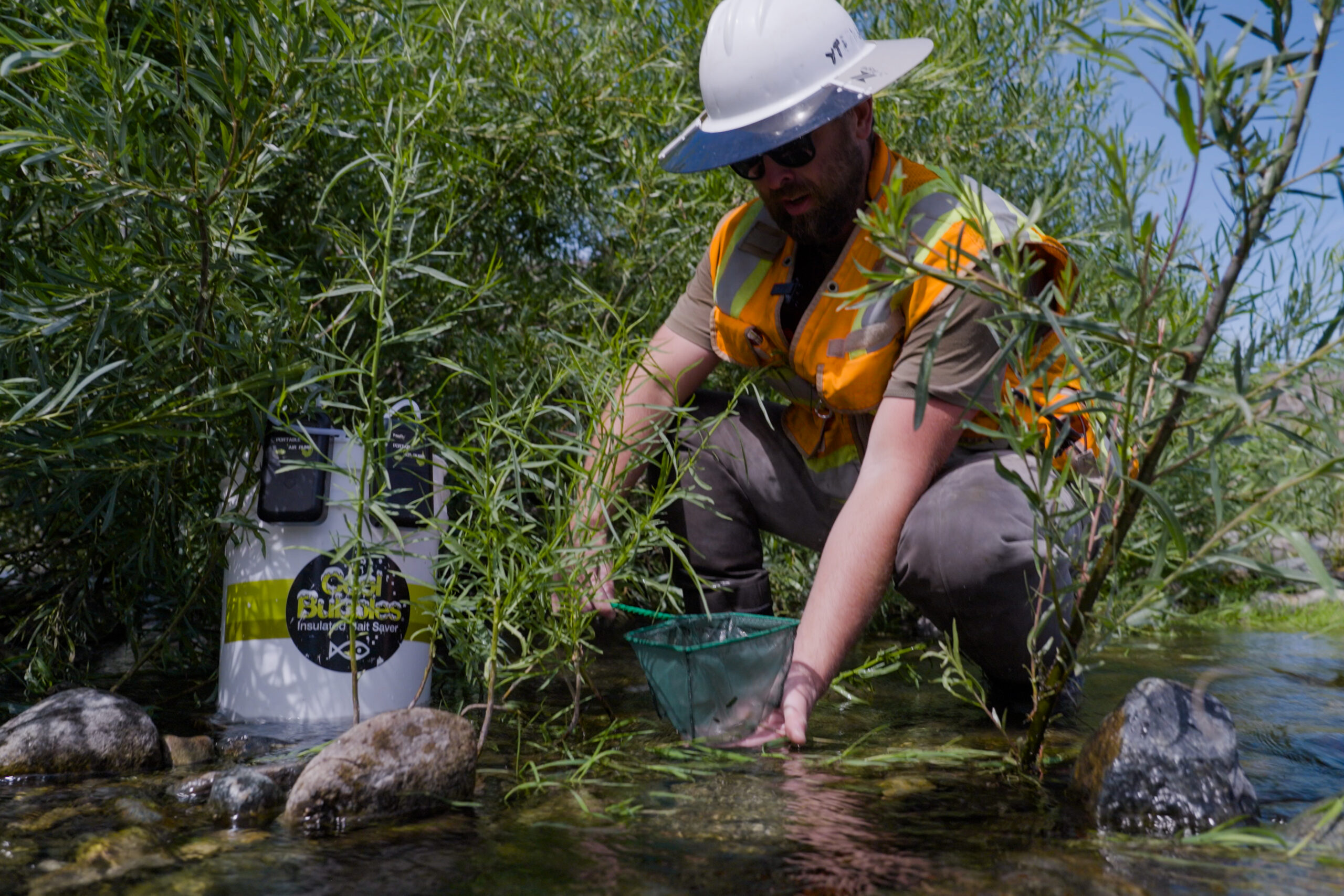
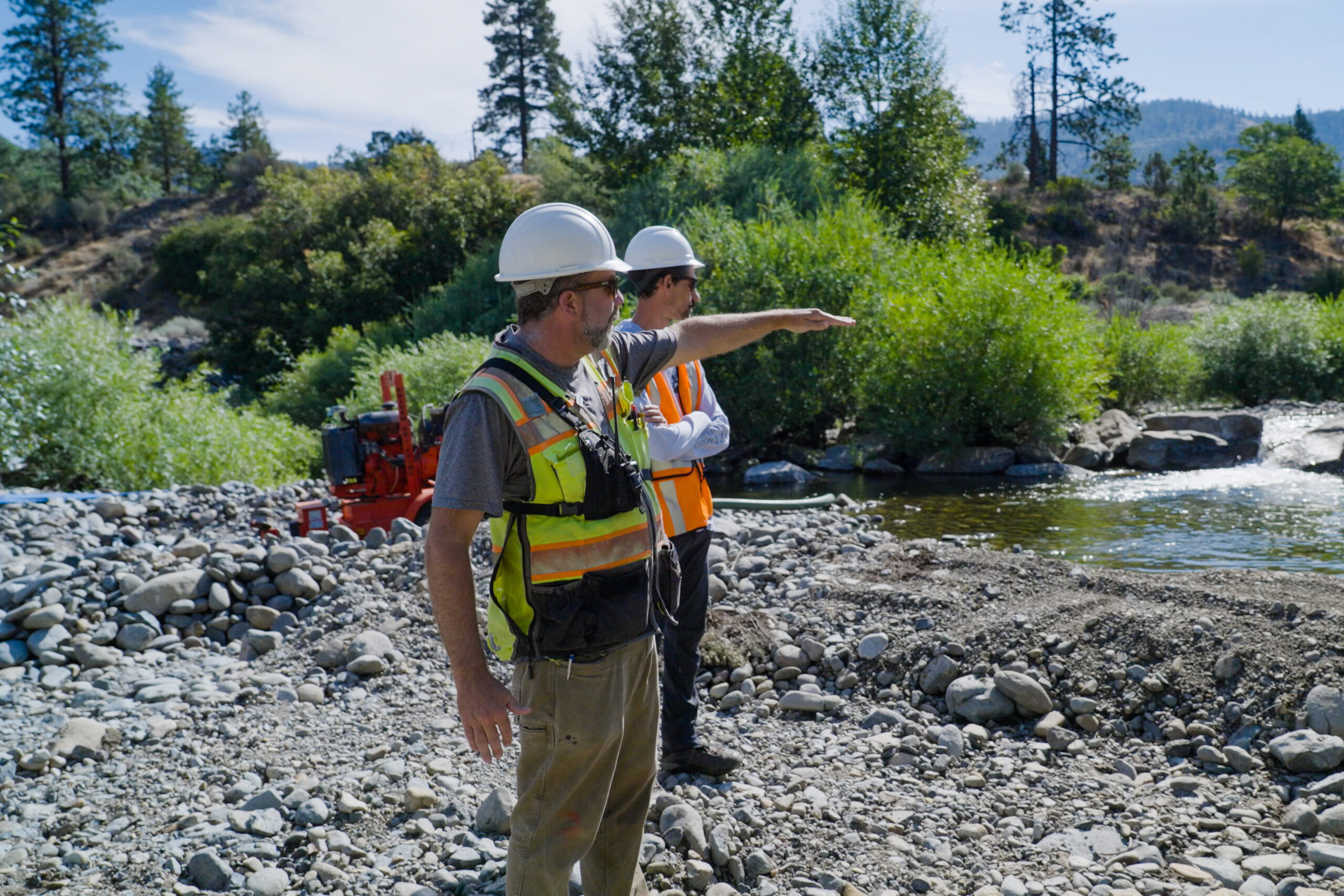
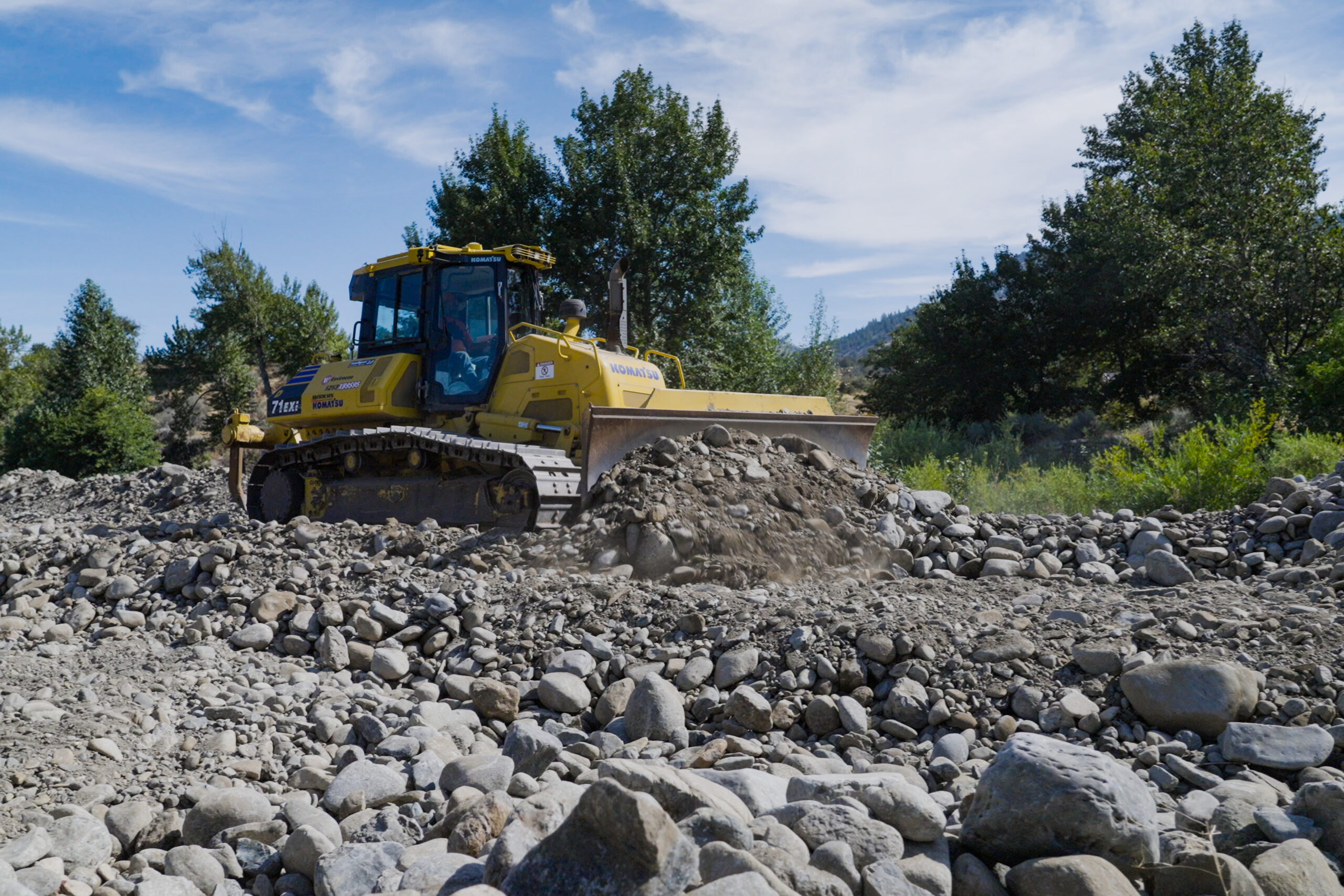
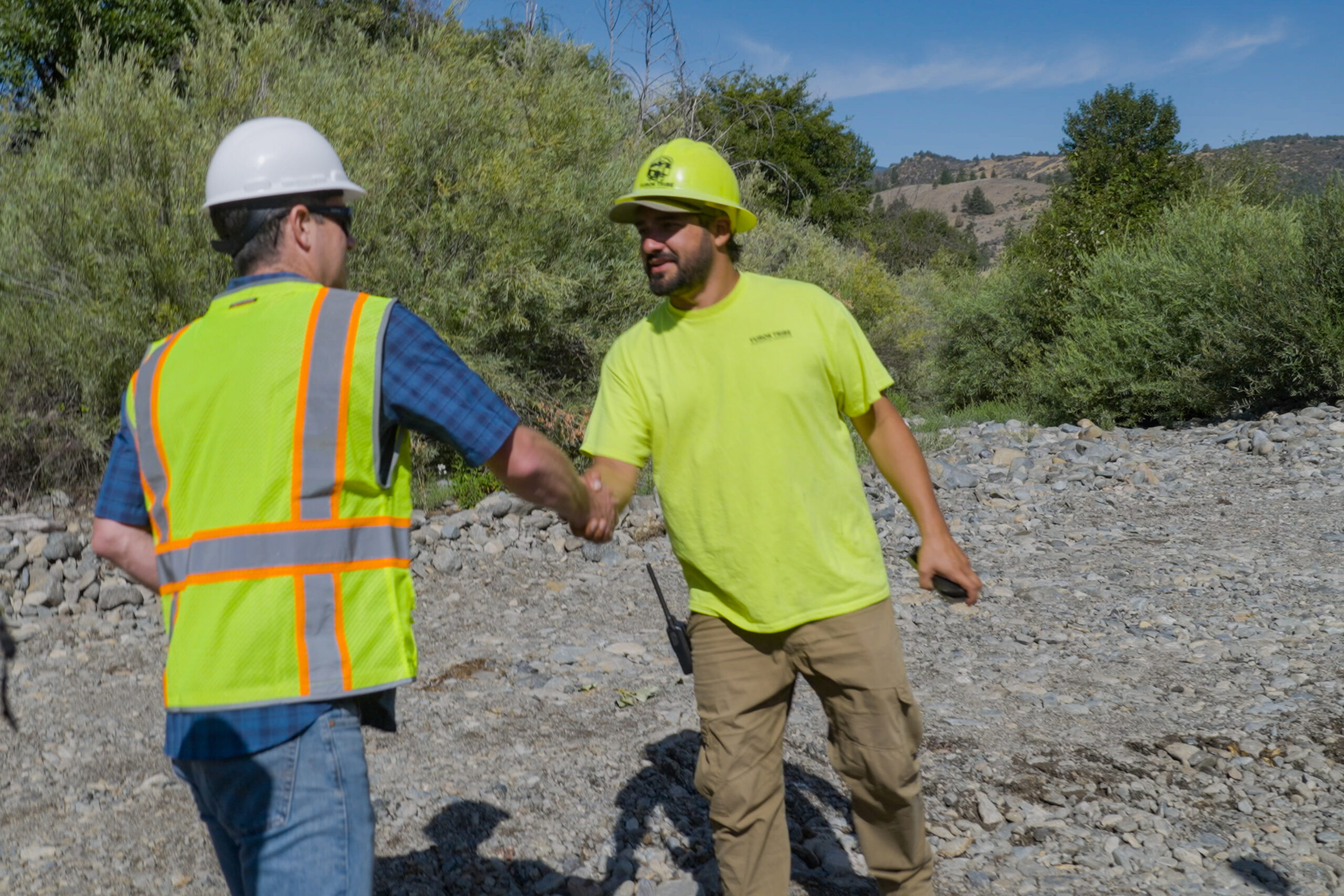
This year, CalTrout and partners broke ground on a major restoration effort at Farmers Ditch on the Scott River that brings long-needed solutions to a half-mile stretch of the river. Led by the Yurok Tribe, in partnership with the Farmers Ditch Company, CalTrout, the Karuk Tribe, and the Scott River Water Trust, the project aims to reconnect habitat, restore ecosystem processes, and modernize water management to support both fish populations and the infrastructure needs of adjacent working lands. The effort reflects years of relationship-building formalized in a 2023 Memorandum of Understanding among the Yurok Tribe, Farmers Ditch Company, and CalTrout.
I’m thrilled this project has broken ground—an important step towards restoring wild salmon in the Scott River, a vital tributary of the Klamath River. I hope this effort serves as a model for the region, demonstrating the power of diverse interests coming together to deliver meaningful solutions that benefit us all. Damon Goodman, CalTrout Mt. Shasta/Klamath Regional Director
Rebuilding Habitat Function and Water Reliability
Phase I of construction delivers a suite of on-the-ground improvements designed to reestablish natural processes in the Scott River and across its confluence with Sugar Creek. Rebuilt channels will reduce surface water loss and make diversions easier and more predictable, while side alcoves will offer cool-water refuge for juvenile salmonids during the hottest, driest months of summer.
Restoration crews will also reconnect a 4.5 acre floodplain to the river, allowing excess water to periodically spill into the floodplain. A connected, seasonal floodplain of this nature is invaluable from both ecological and infrastructural perspectives. When a river has high flows after a storm, the water tends to move very quickly through the main channel of a river — but a floodplain gives fish like coho salmon a chance to take refuge from the high-velocity flows in a slower, more food-rich habitat. Additionally, floodplains naturally divert water from the peak flows of a river, leading to reduced downstream flood risk and the potential for incidental groundwater recharge. A modernized fish-screening system will also prevent salmon and steelhead from entering the 1,800-foot conveyance ditch used by nearby farms for irrigation — eliminating annual stranding events and helping safeguard state- and federally-listed coho salmon, Chinook salmon, steelhead, and Pacific lamprey.
“The Yurok Tribe worked hard to build a bridge, based on trust and mutual respect, between local tribes, local farmers and residents, and CalTrout,” said Barry McCovey, the director of the Yurok Tribe Fisheries Department. “Together, we are working to fix two of the biggest threats to salmon in the Scott River Valley by restoring fish habitat and modernizing water conveyance infrastructure. This mutually beneficial outcome could only be achieved through collaboration.”
The Yurok Tribe worked hard to build a bridge, based on trust and mutual respect, between local tribes, local farmers and residents, and CalTrout. Together, we are working to fix two of the biggest threats to salmon in the Scott River Valley by restoring fish habitat and modernizing water conveyance infrastructure. This mutually beneficial outcome could only be achieved through collaboration. Barry McCovey, Yurok Tribe Fisheries Director
Leveraging New Permitting Possibilities
The project is among a growing number of restoration efforts across California to utilize expedited, restoration-specific permitting tools designed to lessen the administrative burden and increase the efficiency of ecological restoration. The Farmers Ditch project used several of these expedited permitting pathways, including:
Simplified permitting pathways are designed to make the permitting process for environmentally beneficial restoration more efficient, and save costs for project proponents, consultants, and agency staff while still providing robust environmental protection.
Looking Ahead: Novel Solutions for Restored System
Phase I construction this year has focused on increasing habitat complexity, improving fish passage, reconnecting floodplains, and enhancing surface-groundwater interaction. These interventions will build the foundations to reestablish the natural processes that historically sustained salmon populations.
Phase II, planned for 2026, will explore new techniques to keep more water in the river during dry months. The team will track its progress through simple, real-time monitoring tools placed in the river, the diversion system, and nearby wells to understand how the whole system is responding as the work moves forward.
This project exemplifies what can be achieved through diverse partnerships of people who value the importance of community, from the headwaters of the Scott River to the Pacific Ocean. We all recognize the importance of having both agriculture and fisheries thrive for future generations, while also enhancing the environment and ensuring a sustainable, thriving and healthy community. We hope this project will set the precedent for how to collectively and cooperatively solve challenges. Jeff Fowle of the Farmers Ditch Company
Together, these efforts are expected to improve instream flow, enhance fish passage, restore landscape-scale ecosystem processes, and support the long-term recovery of the entire Klamath River watershed following dam removal.