Our Blog

Donor Profile: Brenda Christensen and Thomas Barry
You don’t have to give thousands or millions. Small gifts make big differences, too. Finding effective organizations that use the money well and get results makes it easier to give.

CEO Column: The Uncomfortable Middle
Much like the youngest child in the backseat of a station wagon, we tend to find ourselves in the “uncomfortable middle.” Not many people or organizations would envy that position, but we love it.
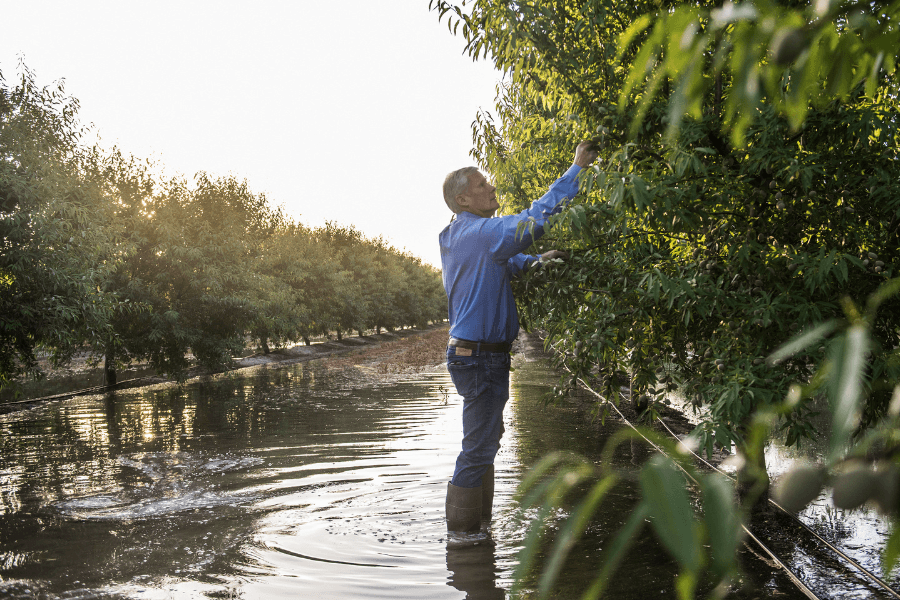
California Drought History: Main Drought Events and Their Lasting Impact
At a glance California experienced its worst drought in 1,200 years from 2012 to 2016. This severe multi-year event triggered the first mandatory statewide water conservation measures in the history of the state. Read full summary ▾ Dry cycles cause parts of the Central Valley to sink by several feet. This land subsidence from heavy…
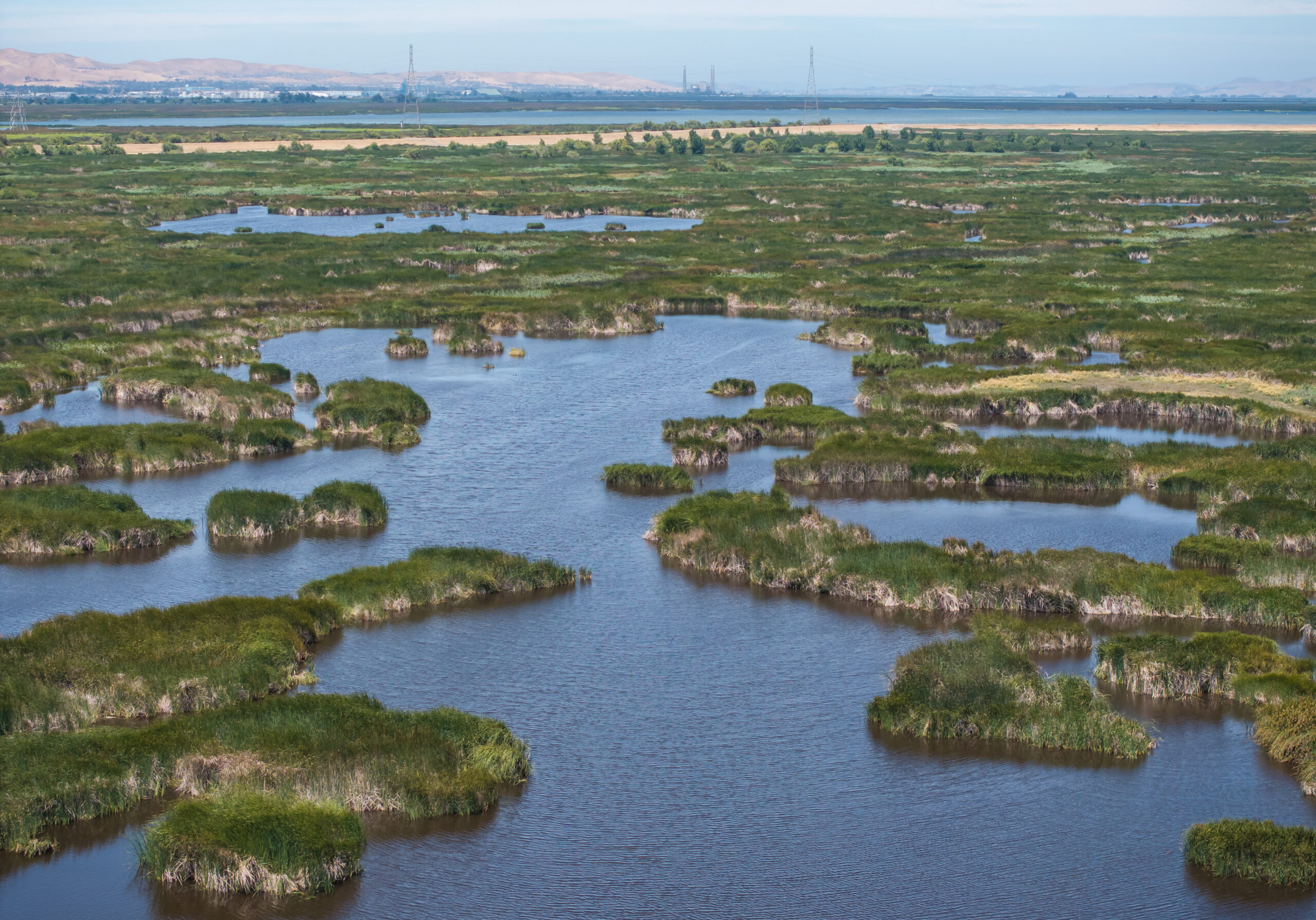
Protected: Accelerating Ecological Restoration in the Sacramento-San Joaquin Delta and the Suisun Marsh
There is no excerpt because this is a protected post.
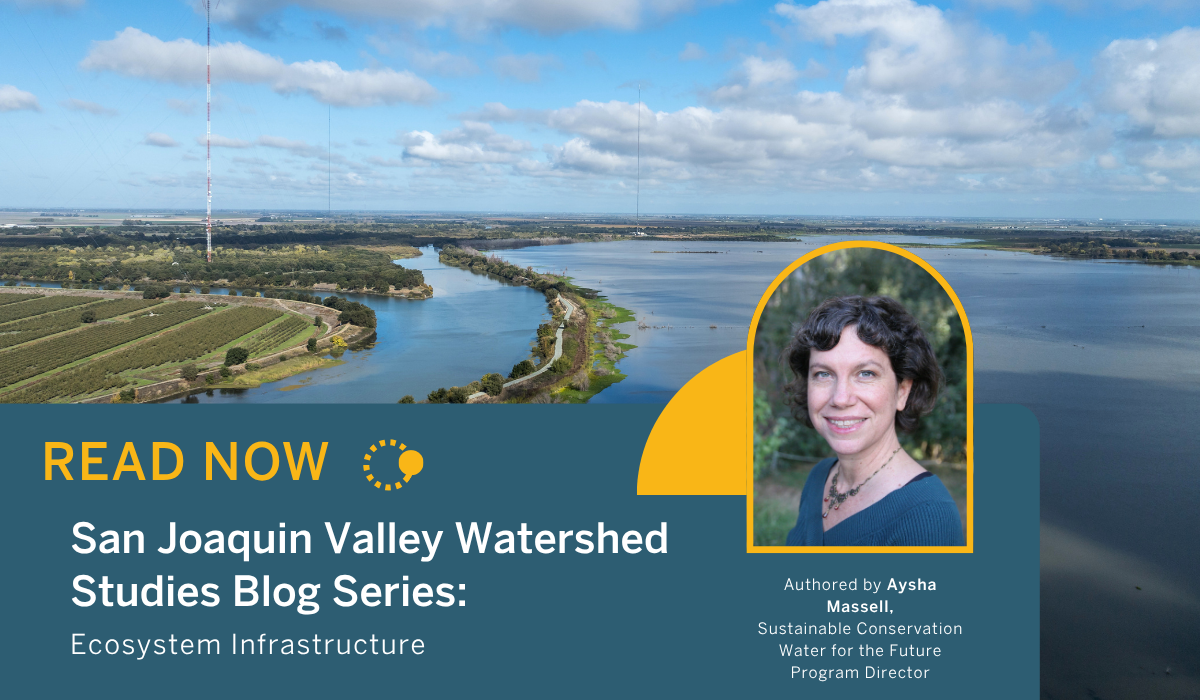
San Joaquin Valley Watershed Studies Blog Series: Ecosystem Infrastructure
The I-FIRM strategy models habitat improvements through reservoir reoperations and additional natural infrastructure that includes river restoration, flow-through basins, and shorebird habitat. This blog walks through each of these components and outcomes as they relate to ecosystem impacts in the Watershed Studies.
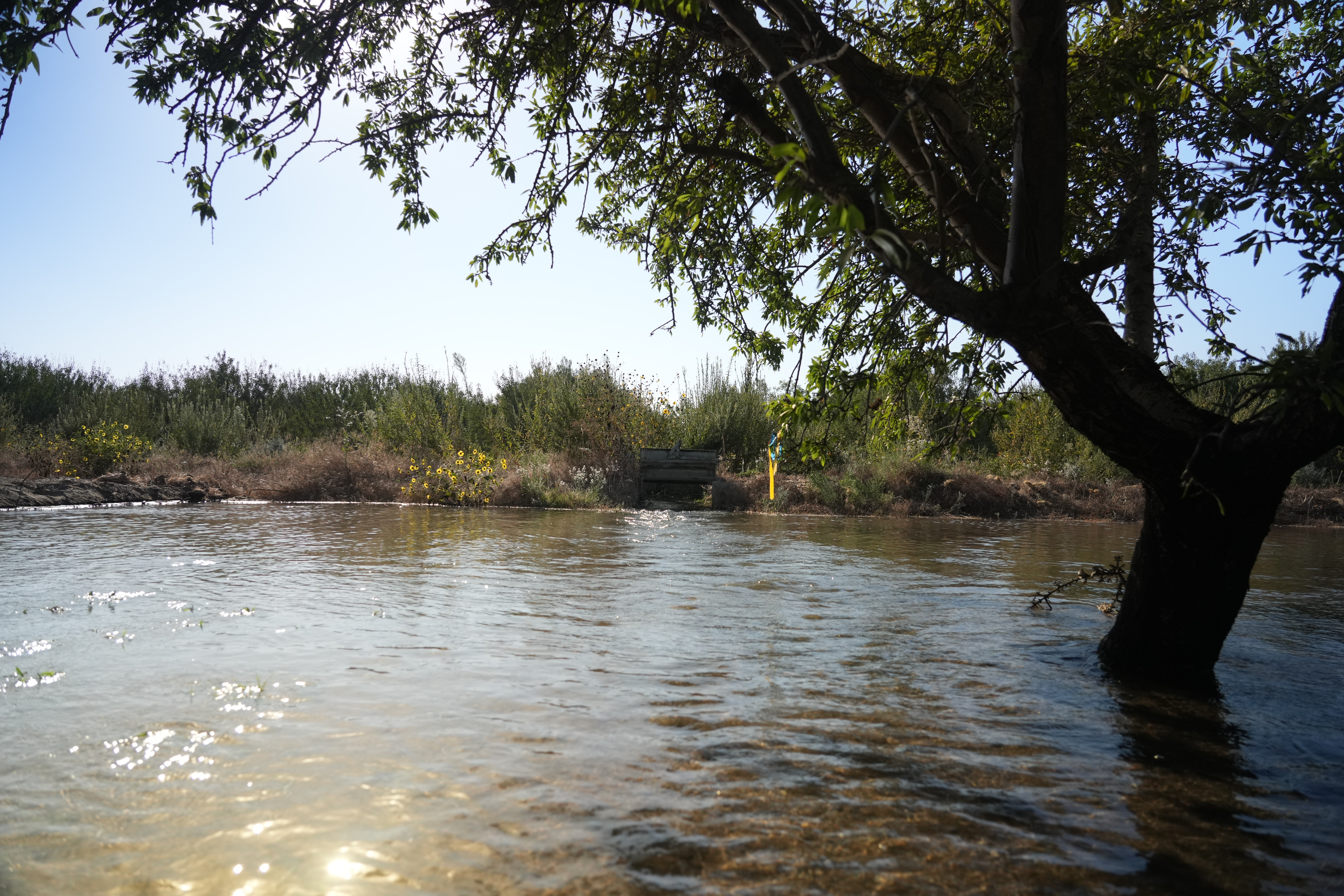
Groundwater Recharge Incentives and Strategies
Distributing water across the landscape for groundwater recharge benefits the groundwater basin and helps reduce downstream flood risks. The State of California has promoted the practice of on-farm recharge by making it easier for landowners to access floodflows for recharge without a water right.
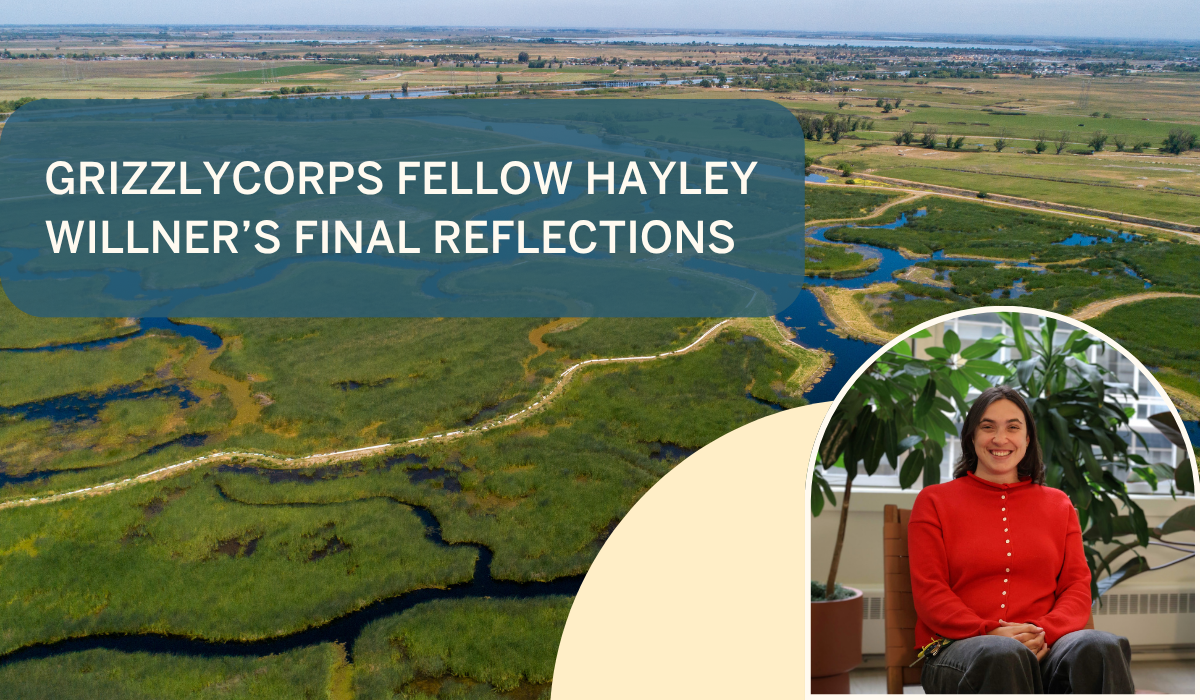
GrizzlyCorps Fellow Hayley Willner’s Final Reflections
Sustainable Conservation’s Accelerating Restoration team was interested to hear perspectives from experts, project proponents, and funders throughout California on funding mechanisms for habitat restoration and what else could be done to create a stable, adequate funding system.
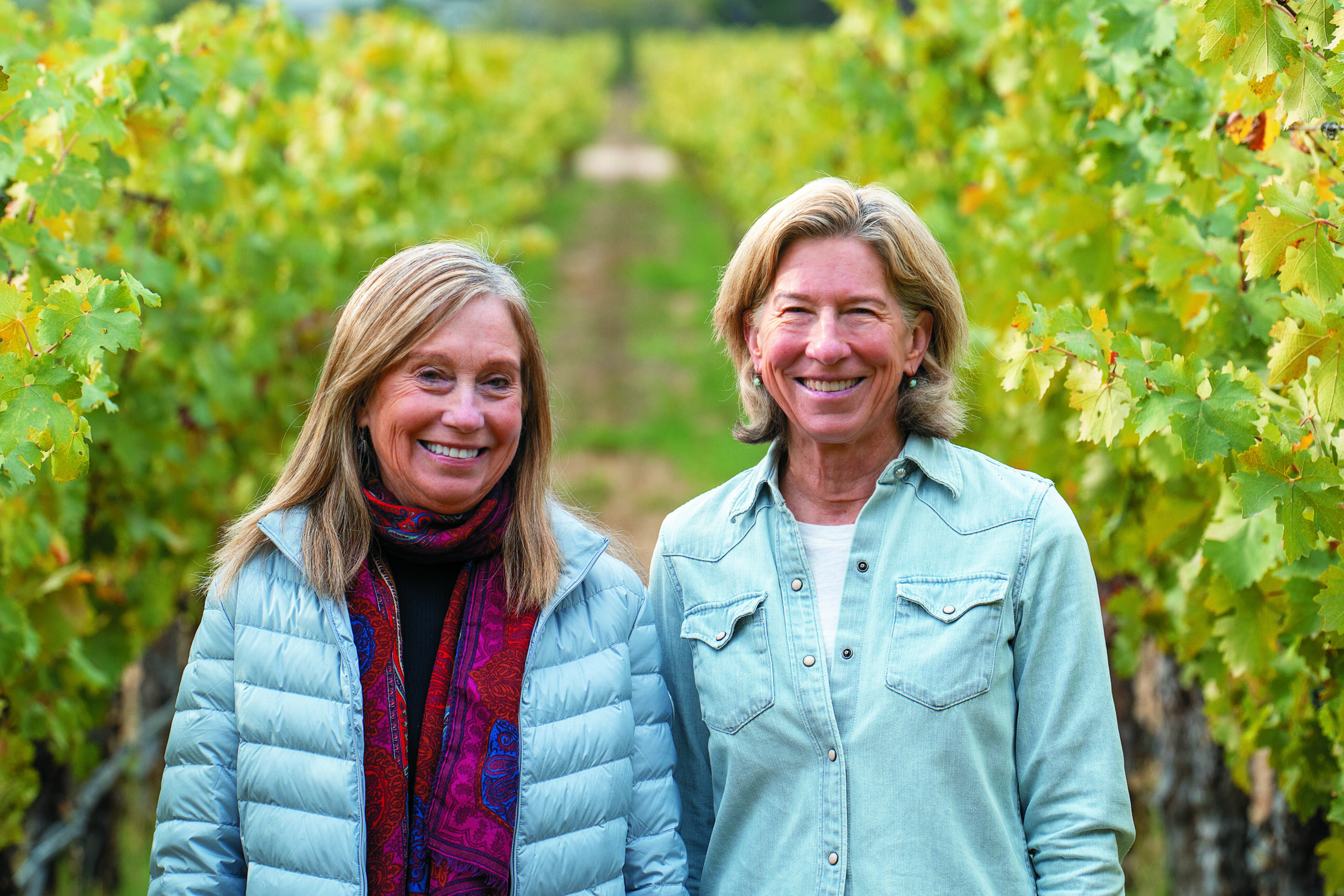
2026 California Leopold Conservation Award Finalists
Three finalists have been selected for the 2026 California Leopold Conservation Award. The award honors farmers, ranchers, and forestland owners who go above and beyond in their management of soil health, water quality and wildlife habitat on working land.
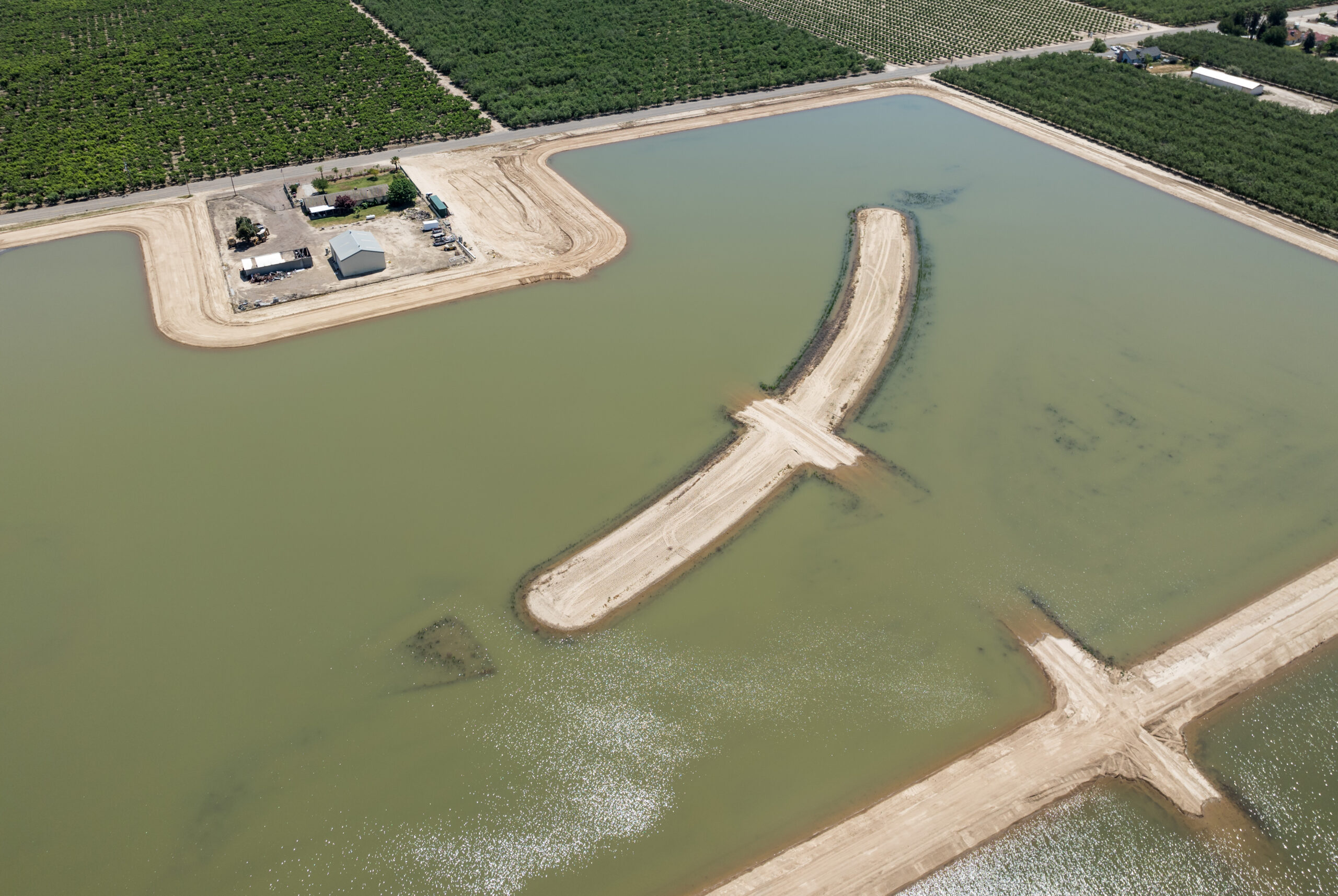
Announcing 2026-27 Recharge Readiness Webinar Series
While California water managers gear up for a “Super El Niño” and a potentially active water year, partners across the State have brought a variety of new advances to topics that Managed Aquifer Recharge (MAR) practitioners will find familiar. This recharge readiness webinar series will share information about recently completed guidance, projects, and case studies to help recharge project planners and implementers (growers and local agencies, in particular) prepare for the wet season ahead.
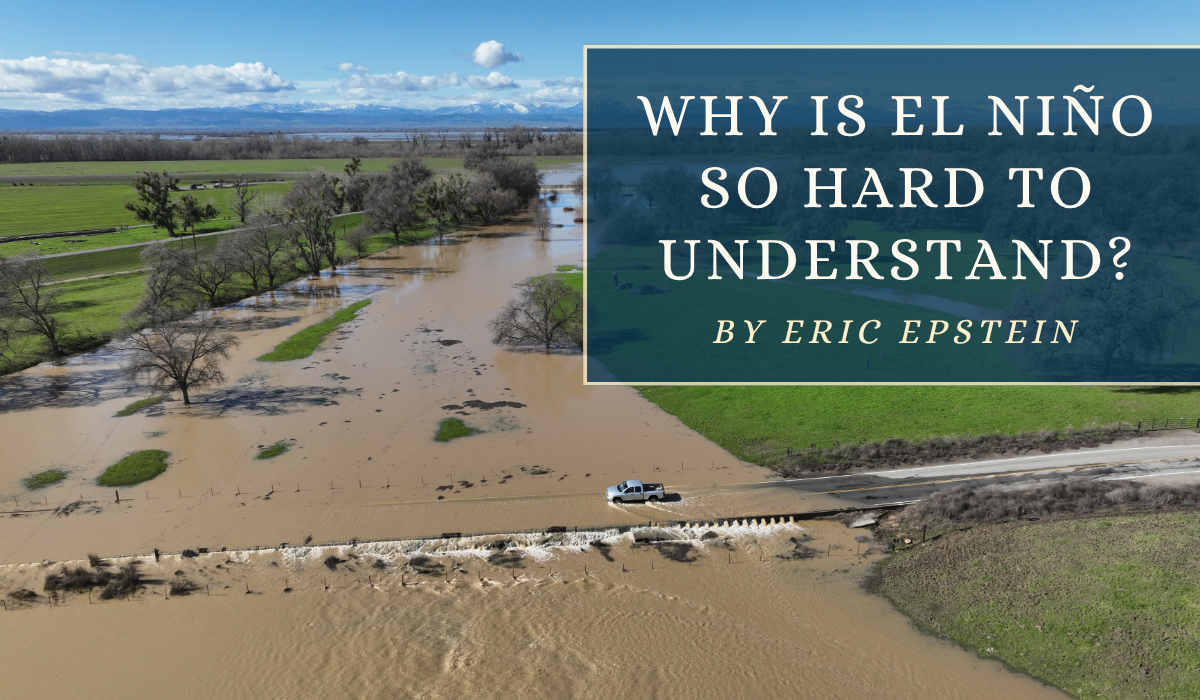
Why is El Niño so Hard to Understand?
Declaring an El Niño has formed is a bit like announcing the first domino in a massive Rube Goldberg machine has tipped over. What happens next depends on dozens of interconnected steps, each capable of amplifying, redirecting, or dampening the chain reaction before it reaches California.
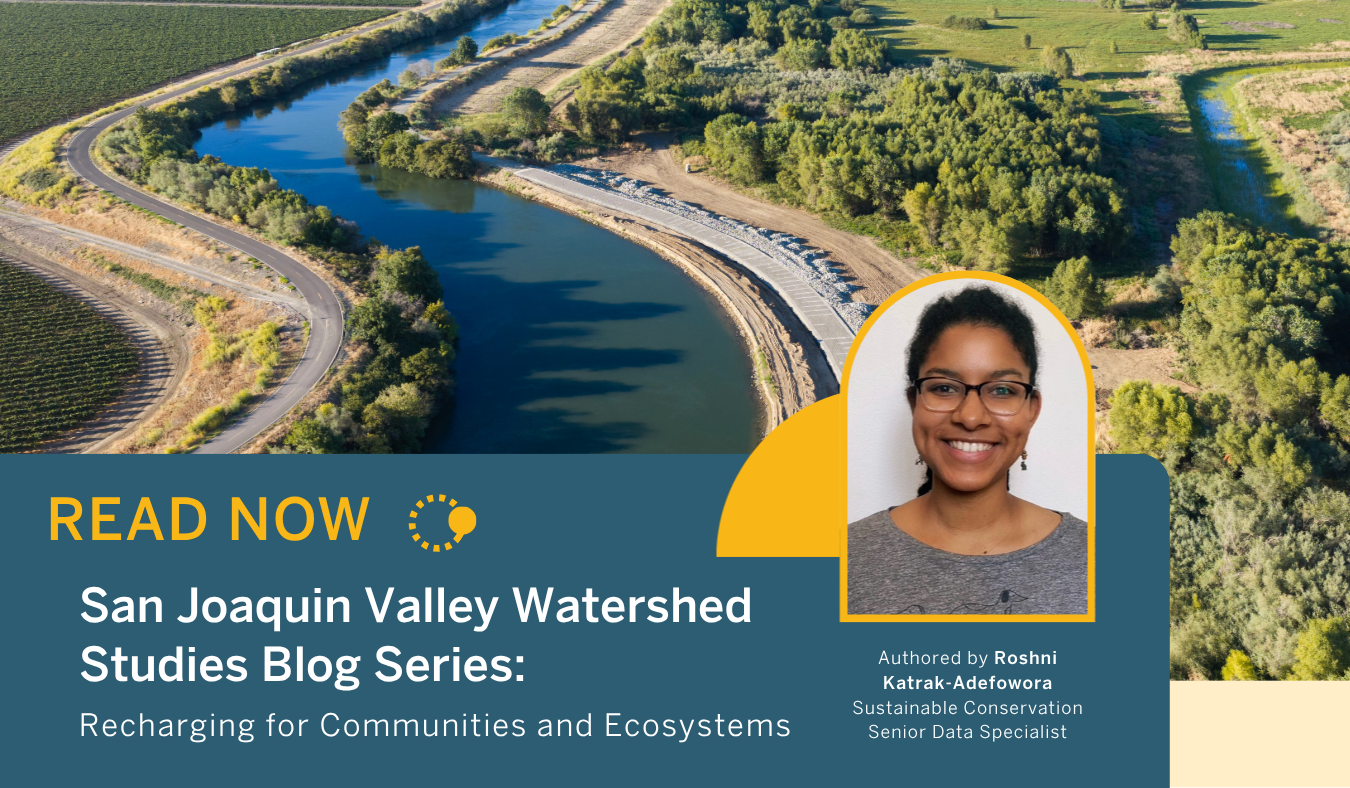
San Joaquin Valley Watershed Studies Blog Series: Recharging for Communities and Ecosystems
Many communities have residents who have already lost or are at risk of losing their access to drinking water. These communities cannot afford to see an unmitigated, climate change-fueled future come into effect.
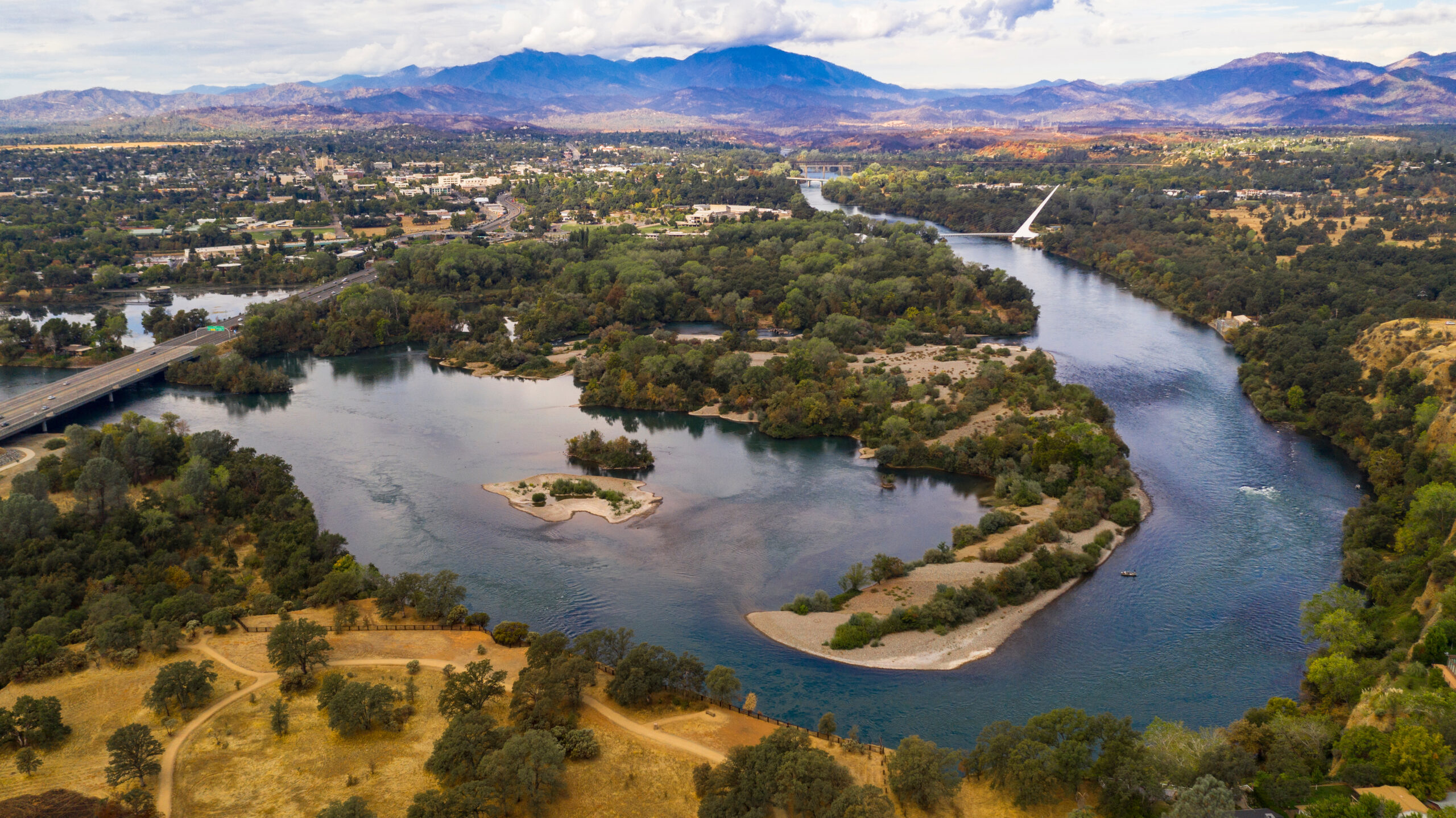
Sustainable Conservation 2025 Annual Report
Learn about our collective impact and environmental wins in Sustainable Conservation’s 2025 Annual Report!