Sustainable Conservation 2025 Annual Report
Learn about our collective impact and environmental wins in Sustainable Conservation’s 2025 Annual Report!

Learn about our collective impact and environmental wins in Sustainable Conservation’s 2025 Annual Report!

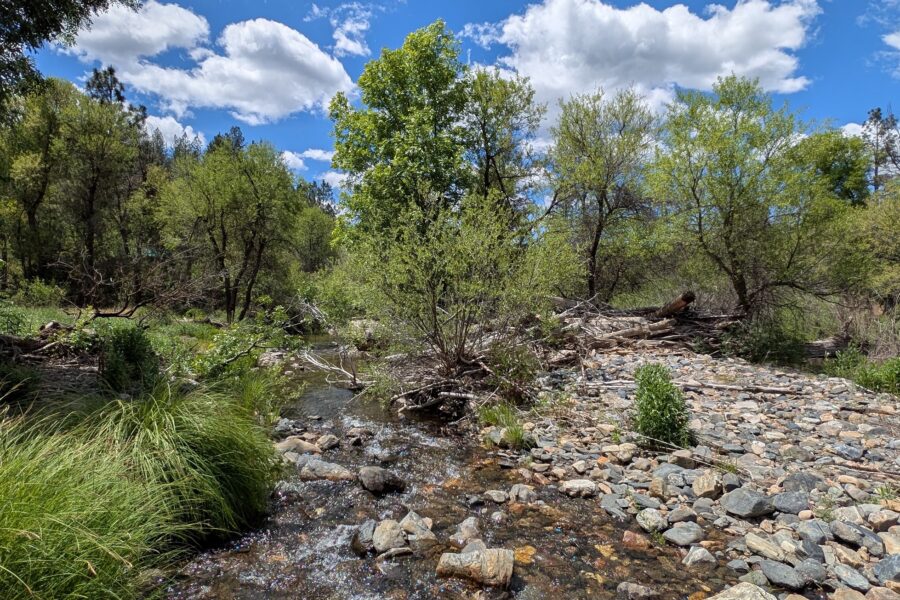
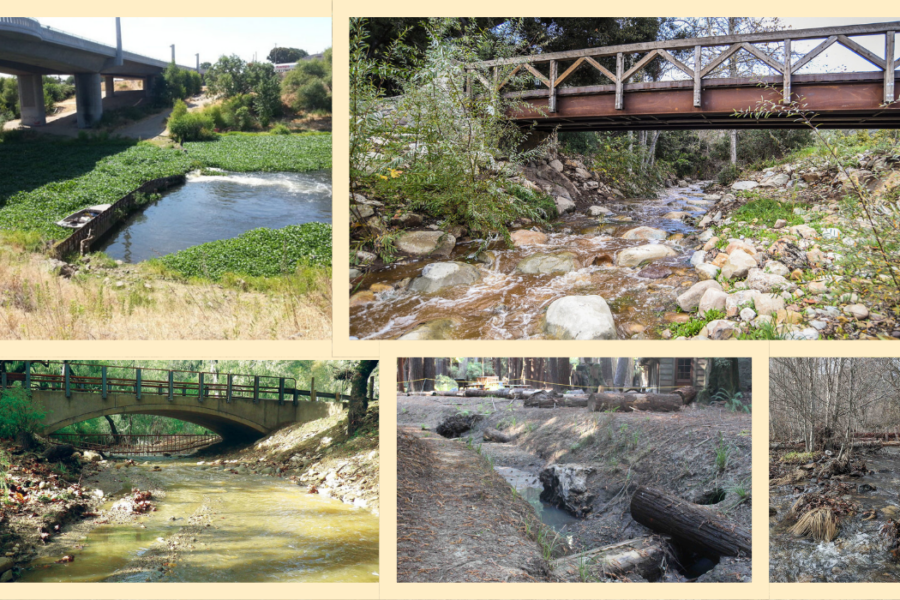
At a glance Riparian zones (the thin ribbons of green along riverbanks) are California’s most wildlife-dense habitats, supporting over 225 species of birds, mammals, and reptiles. Read full summary ▾ Over the last 100 years, development and river regulation have destroyed between 90% and 95% of these critical corridors. Investing in riverbank restoration is a…

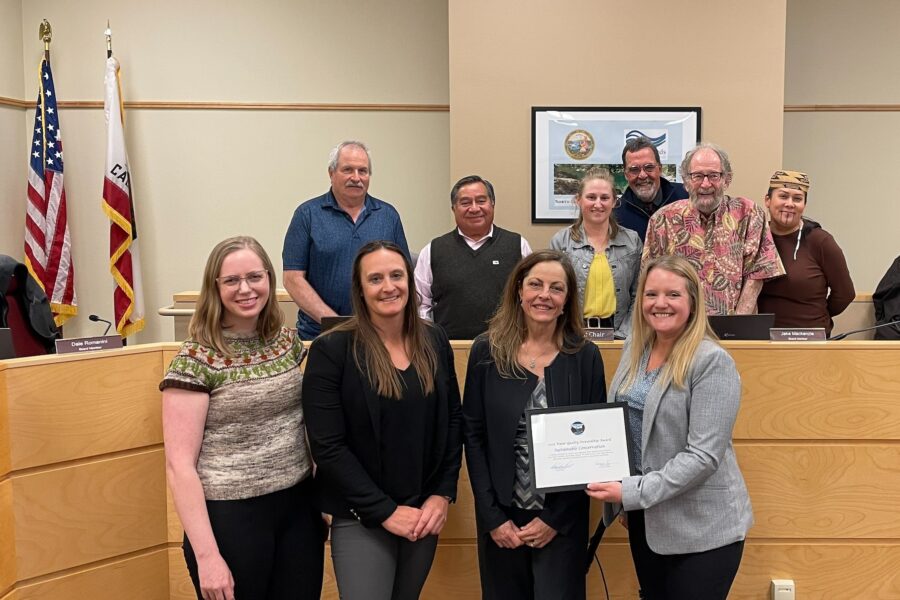
At the North Coast Regional Water Quality Control Board’s April 15th meeting, Sustainable Conservation’s Accelerating Restoration team was honored with the Executive Officer’s 2025 Water Quality Stewardship Award. This year’s award recognized the decades of work the team has put into restoration permitting improvements to make habitat restoration faster, more effective, and more accessible across California.

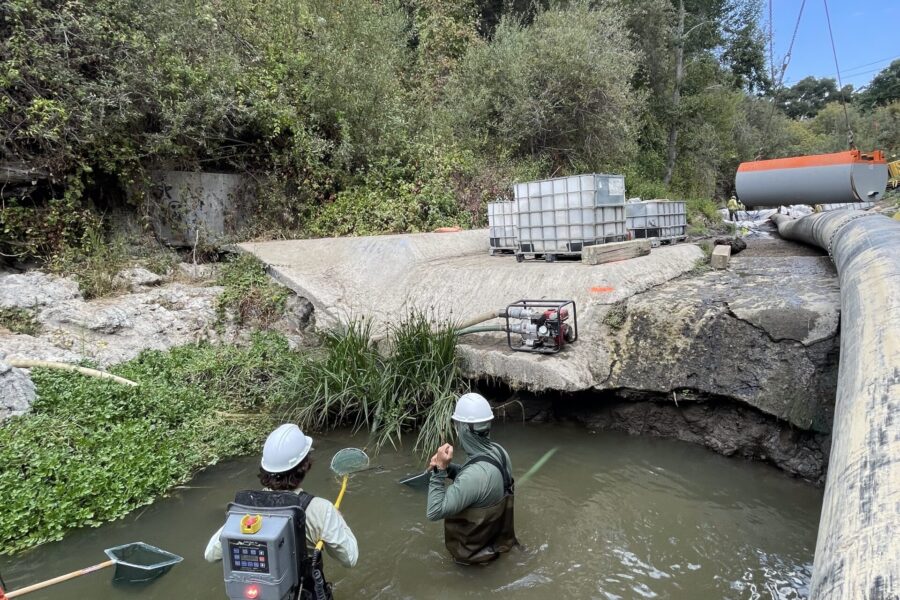
The Alameda Creek watershed covers an area of nearly 700 square miles and is populated by over 200,000 people. For decades, migrating fish in Alameda Creek were blocked by a gas pipeline and concrete barrier that crossed the creek in Sunol Valley.

On January 29, 2026, the California Natural Resources Agency (CNRA) hosted California’s first Nature-Based Solutions Summit, bringing together a diverse group of leaders to share experiences, offer insights, and discuss next steps. Nature-based solutions are not a side dish; they are the full meal. They are investments in public safety, economic resilience, workforce development, and cultural restoration.

“The Yurok Tribe worked hard to build a bridge, based on trust and mutual respect, between local tribes, local farmers and residents, and CalTrout,” said Barry McCovey, the director of the Yurok Tribe Fisheries Department. “Together, we are working to fix two of the biggest threats to salmon in the Scott River Valley by restoring fish habitat and modernizing water conveyance infrastructure. This mutually beneficial outcome could only be achieved through collaboration.”

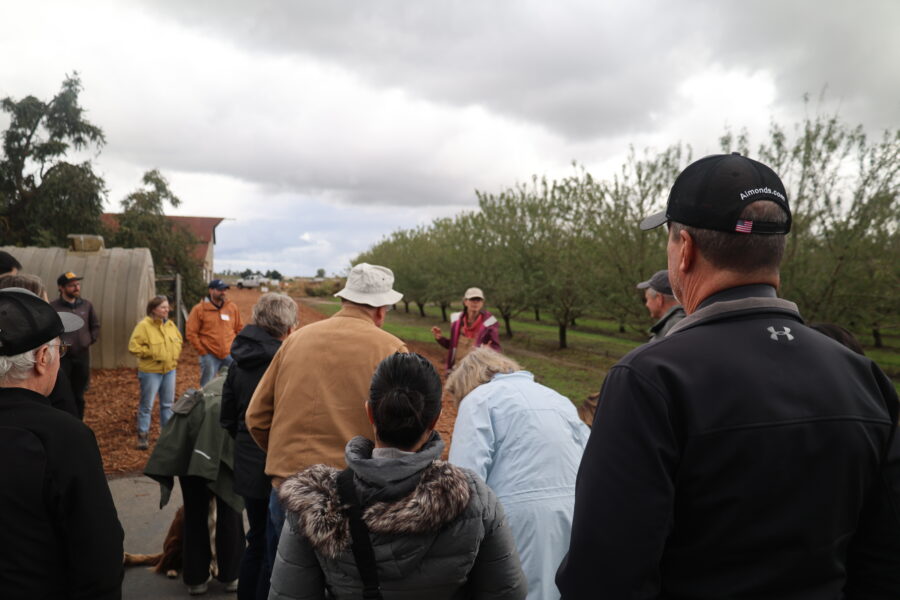
On October 14th, more than 30 Sustainable Conservation community members, donors, Board members, and staff piled into a tour bus for a jam-packed day of sightseeing cutting-edge climate resilience projects throughout the Central Valley.

Investing in faster, more cost-effective regulatory processes for restoration pays dividends for both ecosystems and the communities that depend on them. Thanks to a coalition of local partners led by Creek Lands Conservation (CLC), the Arroyo Grande stream gauge has now been modified to allow federally threatened South-Central California Coast (SCCC) steelhead to once again access eight miles of upstream spawning and rearing habitat.

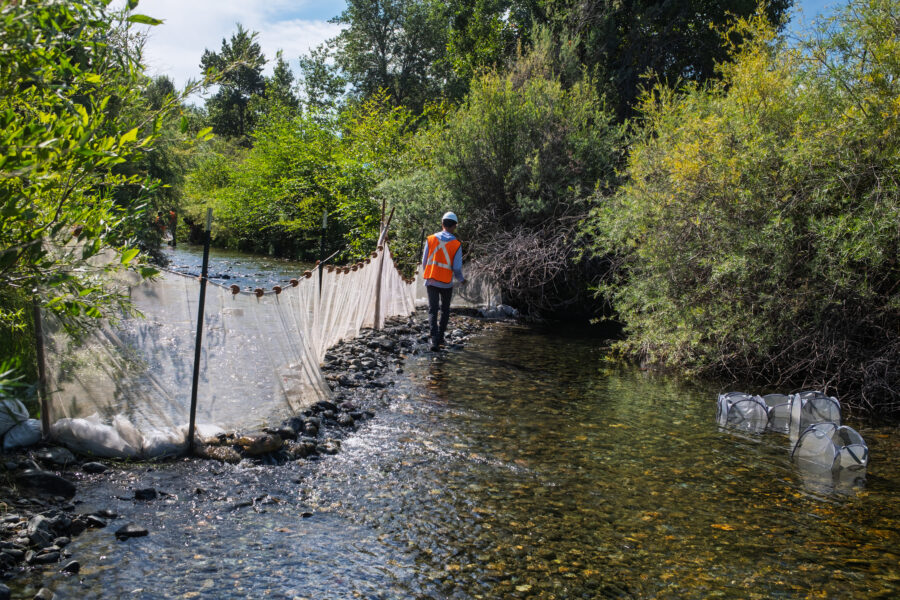
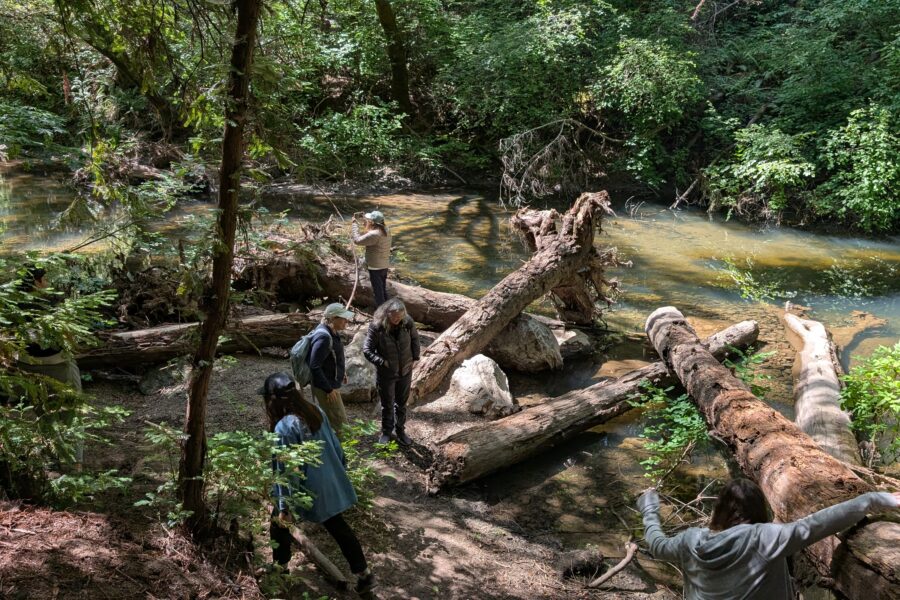
On June 12th, Sustainable Conservation community members, program partners, and staff met up at Lagunitas Creek in Marin County to see the recent improvements to native fish habitat and stream functions through the Lagunitas Creek Watershed Enhancement Project — and to witness the positive impact of simplifying California’s permitting processes to implement restoration projects faster, more affordably, and at scale.

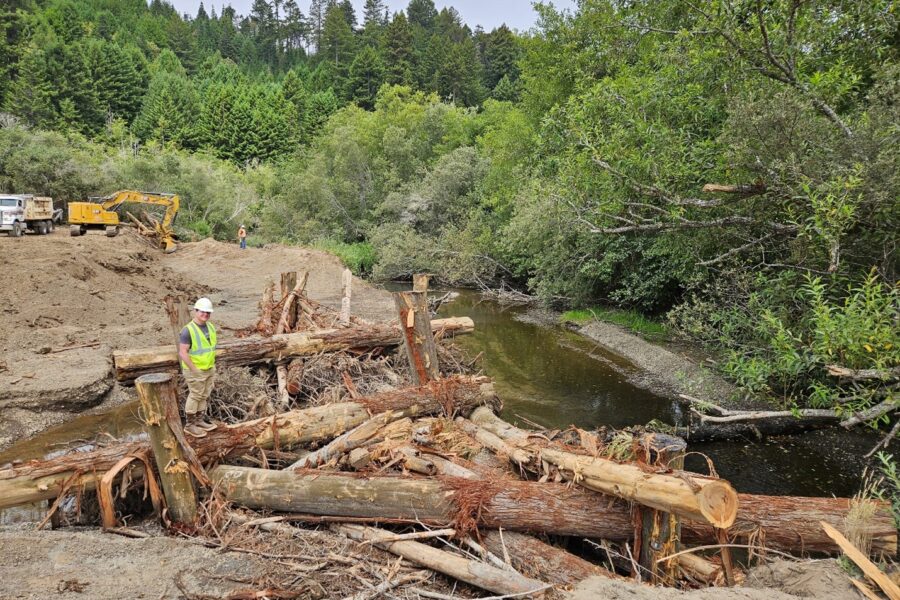
The Ten Mile River, flowing through coastal Mendocino County, provides vital habitat for California’s endangered coho salmon. The Nature Conservancy (TNC) has been leading habitat restoration efforts in the Lower Ten Mile River watershed for over a decade. Their latest project, the South Fork Ten Mile Habitat Enhancement — Phase 2, represents a significant step in revitalizing key salmon habitat and restoring natural floodplain functions.

In their recent Sacramento Bee op-ed, Sustainable Conservation CEO Ashley Boren and California Natural Resources Secretary Wade Crowfoot call for California to deepen its commitment to achieving the state’s “30×30” goal of conserving 30% of its lands and coastal waters by 2030. For Boren and Crowfoot, this ambitious target isn’t just a policy objective; it’s…

Sustainable Conservation is proud to announce a new report, “Accelerating Restoration in the Sacramento Valley and Beyond: Progress and Next Steps to Cut Green Tape in California.” Read the full report here. Read the list of recommendations with agencies, partners, and timelines here. Authors: Erika Lovejoy, Katie Haldeman, Stephanie Falzone, Shayan Kaveh Background California is…