This fall and winter, Sustainable Conservation’s People, Place, and Policy webinar series showcased how collaboration, innovation, and action come together to advance California’s environmental stewardship. From grassroots community advocacy in Fairmead to on-the-ground science and engineering behind Siskiyou County restoration, the two conversations in the series knit together partnerships and projects that drive lasting impact for our shared climate and water challenges.
Many thanks to our generous sponsors: Environmental Science Associates, Jennifer Hernandez of Holland & Knight, Spottswoode Estate Vineyard & Winery, and the Wilson Sonsini Foundation for supporting our webinar series and sharing our vision.
Community-Driven Solutions in Fairmead
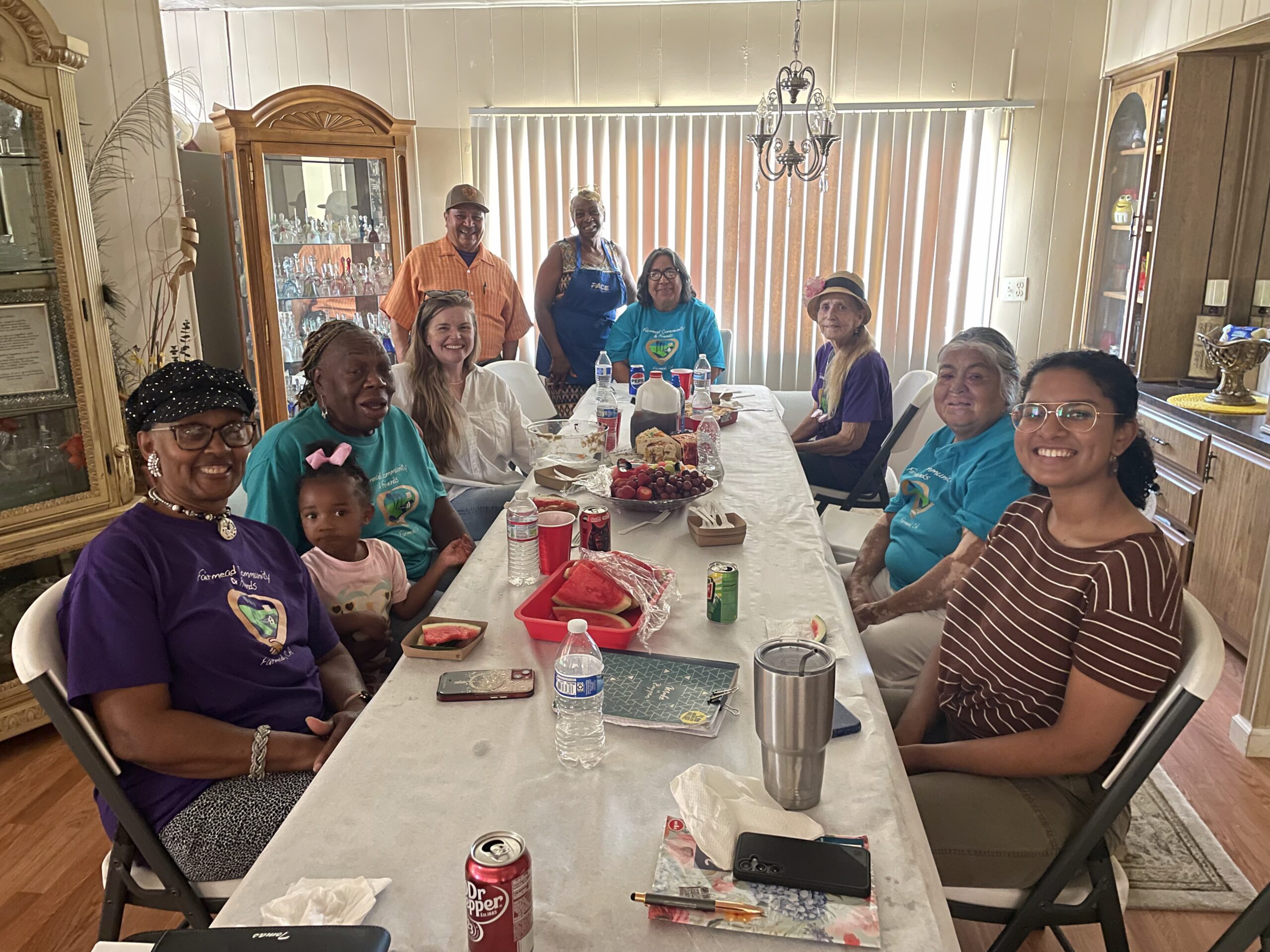
The series kicked off on November 11th with an inspiring discussion centered on Fairmead, a small unincorporated Central Valley community facing long-standing water supply challenges. Local leaders from Fairmead Community & Friends and moderator Aysha Massell, Sustainable Conservation Water for the Future Program Director, explored how the community’s decades of self-advocacy have led to recent momentum and milestones for the Fairmead Groundwater Resilience Project. The conversation emphasized that collaboration, trust-building, and community leadership are essential to advancing equitable and reliable water access, especially for rural or unincorporated communities. Stay tuned for more updates on the Fairmead Groundwater Resilience Project in 2026!
A Scott River Restoration Story
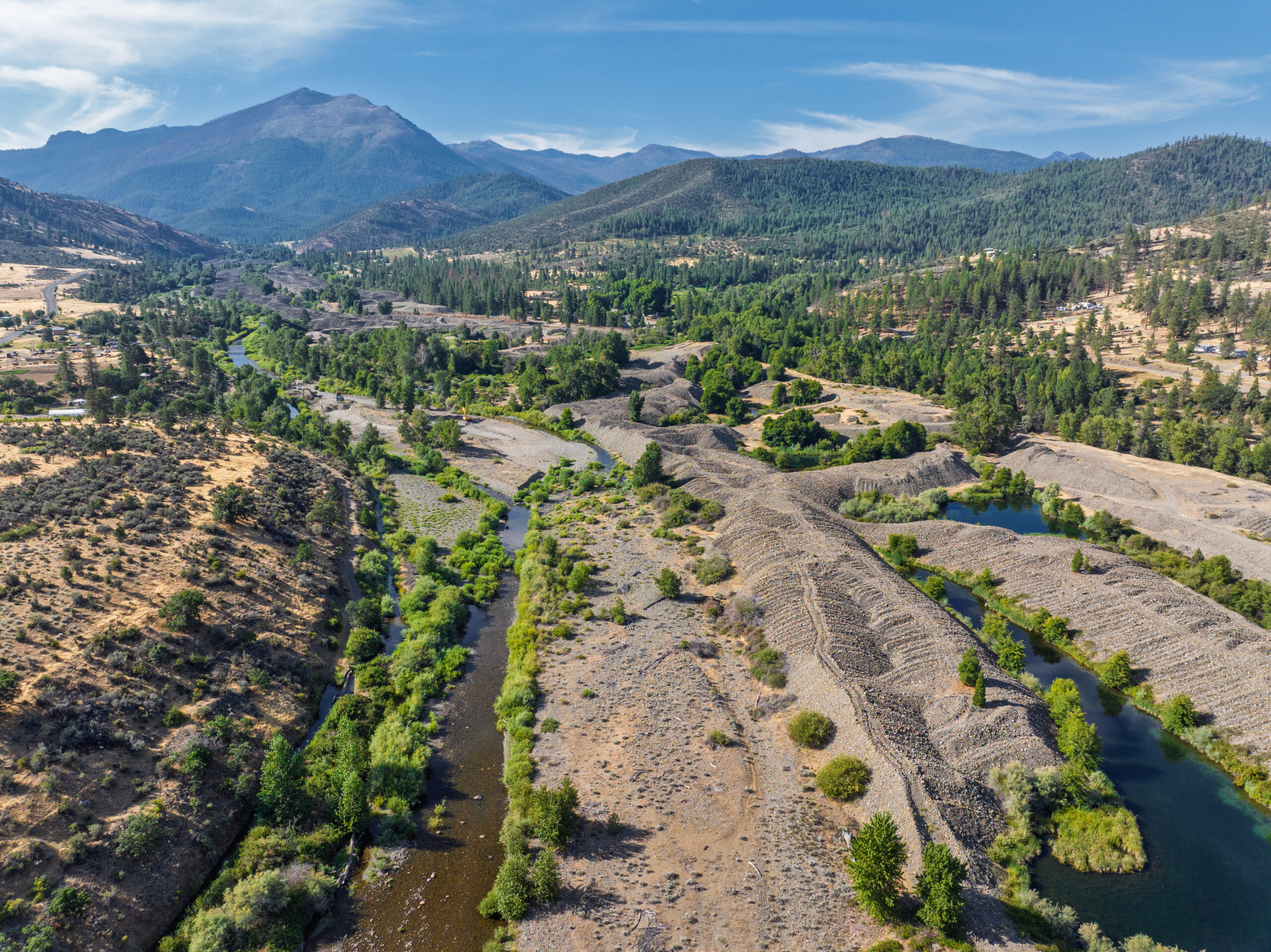
On December 10th, the conversation shifted to the technical and ecological side of landscape restoration in Siskiyou County’s Scott River Valley. Expert panelists from the Yurok Tribe and California Trout shared the story of the Farmers Ditch restoration project on the Scott River, a collaborative, multi-partner effort to reconnect floodplains, improve fish passage, modernize water infrastructure, and support salmon populations while balancing agricultural needs. The discussion touched on the science, restoration design, and expedited permitting pathways that are helping this project serve as a model for similar restoration work across California’s watersheds.
We’d like to extend a special thanks to the panelists who lent their time and expertise to these two conversations, as well as all of those who listened or participated in the Q&A! Stay tuned for our Spring 2026 series, where we’ll feature new conversations that explore how collaborative, on-the-ground solutions are advancing climate resilience across California.