Tag Archives: Water for the Future

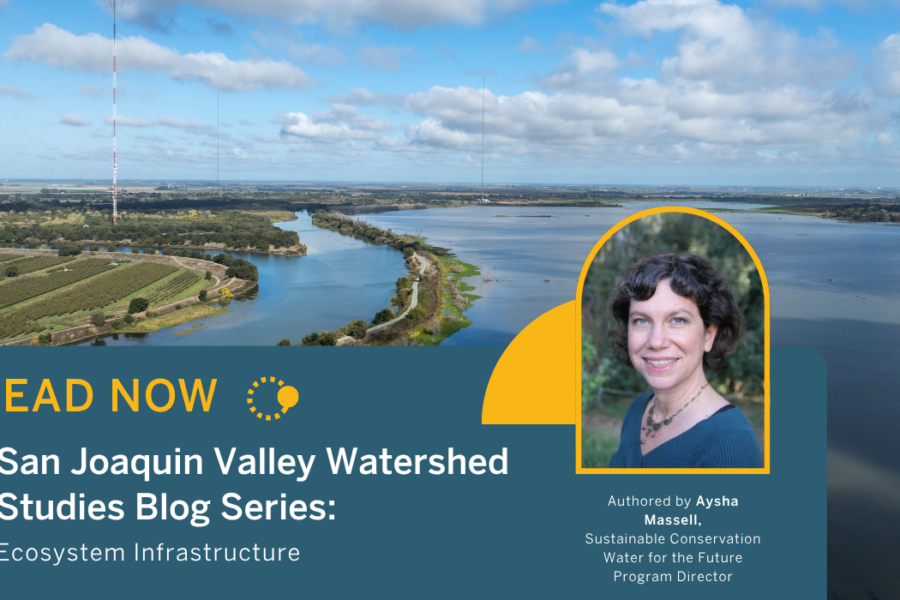
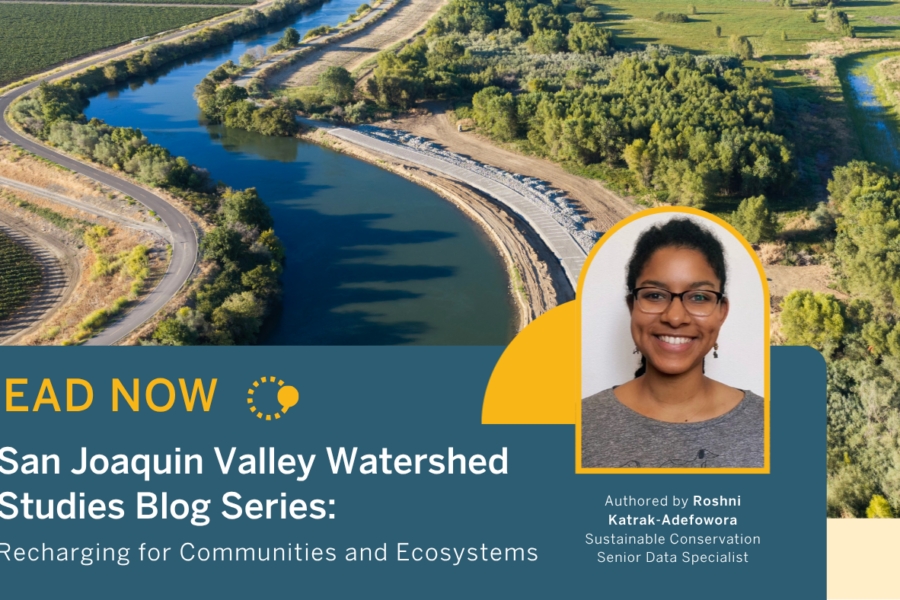
San Joaquin Valley Watershed Studies Blog Series: A Roadmap for a Changing Climate

The Watershed Studies are a novel approach to modeling climate change impacts at the watershed scale, from precipitation trends in the upper watershed to groundwater behavior beneath the Valley floor.

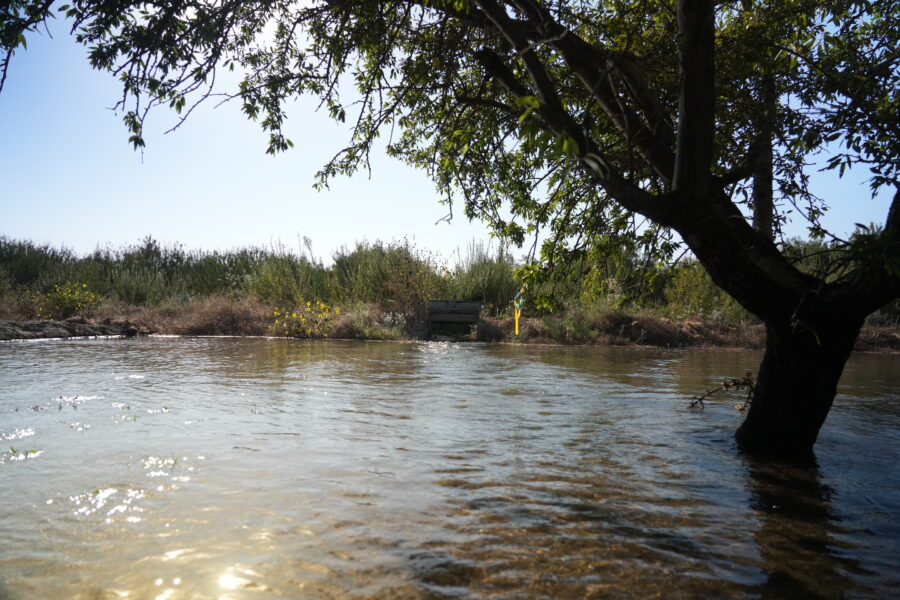
New Guide to Help Winegrape Growers Perform Recharge on Vineyards

A Groundwater Recharge Guide for Vineyards Sustainable Conservation and the California Sustainable Winegrowing Alliance (CSWA) have released A Groundwater Recharge Guide for Vineyards to help winegrape growers evaluate, plan, and implement on-farm groundwater recharge to contribute to regional groundwater sustainability. As California’s wine regions face growing groundwater pumping regulations under the Sustainable Groundwater Management Act (SGMA), the guide equips growers with…

Spring 2026 Voices from the Field Webinar Series Recap

Across the discussions, a common themed emerged: California’s climate and natural resource challenges are deeply interconnected, and the most effective solutions recognize and strengthen the connections between our watersheds, working lands, communities, and ecosystems.

GroundwaterRecharge.org: Who is Recharge for?

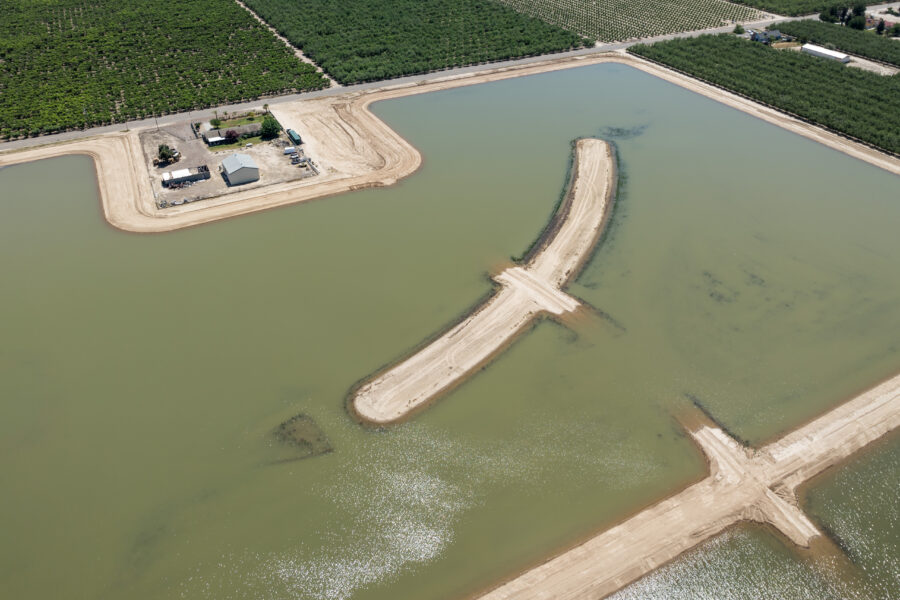
Recharge is a practice that Sustainable Conservation has championed for over a decade largely because of the myriad beneficiaries it creates. The “Recharge For…” dropdown menu focuses on specific benefits and resources for growers, water districts and groundwater sustainability agencies, communities, ecosystems, and policymakers.

Recharge and Beyond: A New Viewer for Multibenefit Land Repurposing

With California’s landmark groundwater regulations coming into effect, pumping groundwater to irrigate agriculture at its current acreage is unsustainable in some regions. Without alternatives, land managers might be left with idling their land as the most affordable option, but this can contribute to dust, pollution, weeds, pests, and other negative impacts for neighboring farms and nearby communities — all while providing no earning potential.

Soil Health Meets Recharge: Lessons from the Field

Cover crops are a known practice in California agriculture for reducing water runoff, increasing the amount of water that can infiltrate and stay in the soil, improving biodiversity, limiting groundwater pollution, and supporting better air quality, among other benefits. But under the Sustainable Groundwater Management Act (SGMA), concerns persist about whether cover crops “count against” growers’ limited water budgets and begs the question, is cover cropping worth the risk?

CEO Column: Josette Lewis’ Reflections to Start 2026

“There is no miracle prescription that will solve all of California’s climate and natural resource challenges, but a combination of science-backed solutions that can be feasibly scaled across the state is what gives me hope right now.”

From Concept to Practice: Reflections on the 2025 Flood-MAR Network Forum

On November 5-6, 2025, over 120 water professionals, researchers, farmers, and agency representatives gathered for the Flood-MAR Network’s biennial forum. The energy in the room told a story years in the making: flood-managed aquifer recharge (Flood-MAR) is gaining widespread adoption across California. Mike Antos (Stantec) opened the forum with a quote from Charles F. Brannan,…