Applications are now being accepted for the 2026 California Leopold Conservation Award®.
The award honors farmers, ranchers, and forestland owners who go above and beyond in their management of soil health, water quality and wildlife habitat on working land.
Given in honor of renowned conservationist Aldo Leopold, the award recognizes landowners who inspire others to consider conservation opportunities on their land. In his influential 1949 book, “A Sand County Almanac,” Leopold advocated for “a land ethic,” an ethical relationship between people and the land they own and manage.
Award applications may be submitted on behalf of a landowner, or landowners may apply themselves. The application can be found at www.sandcountyfoundation.org/ApplyLCA.
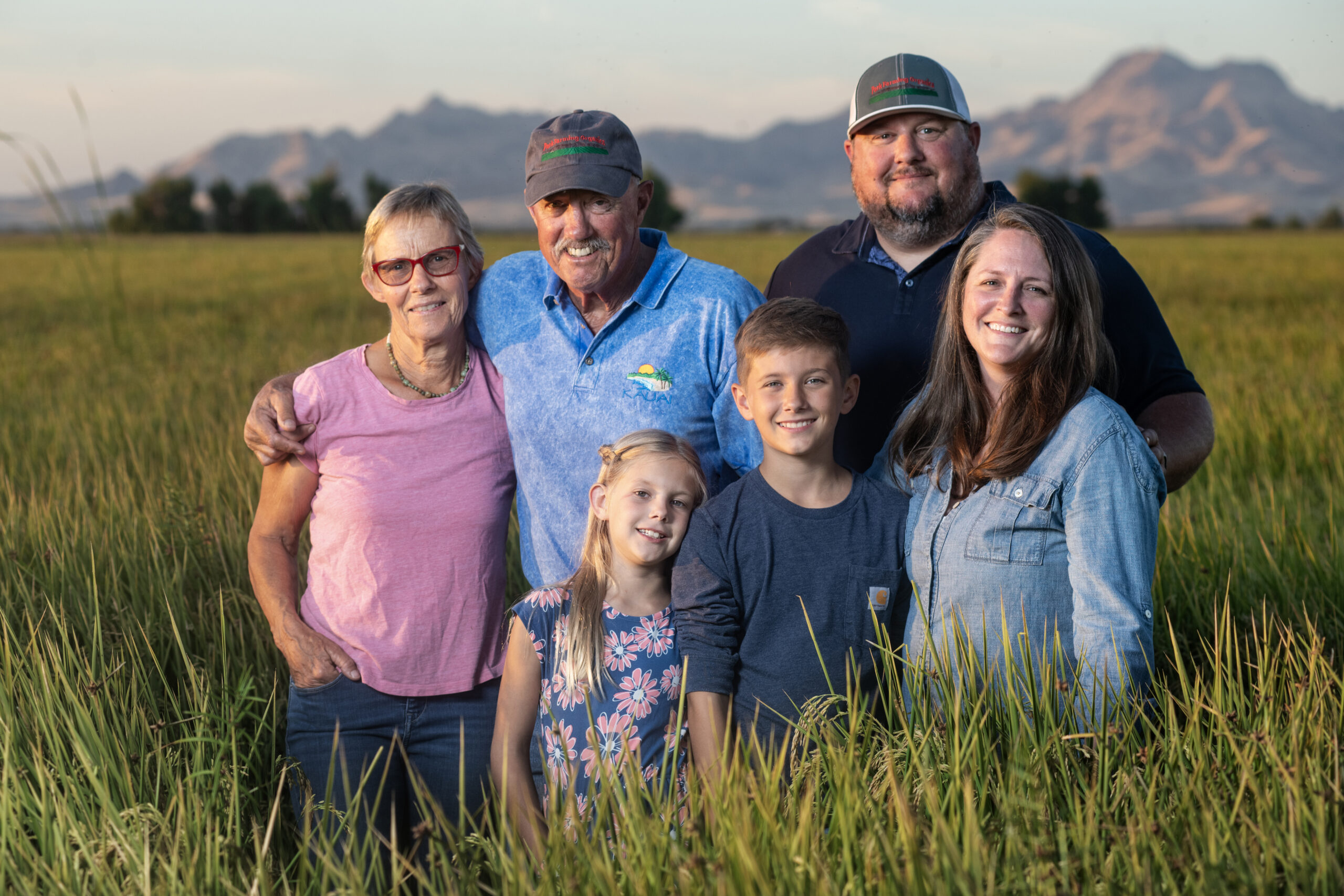
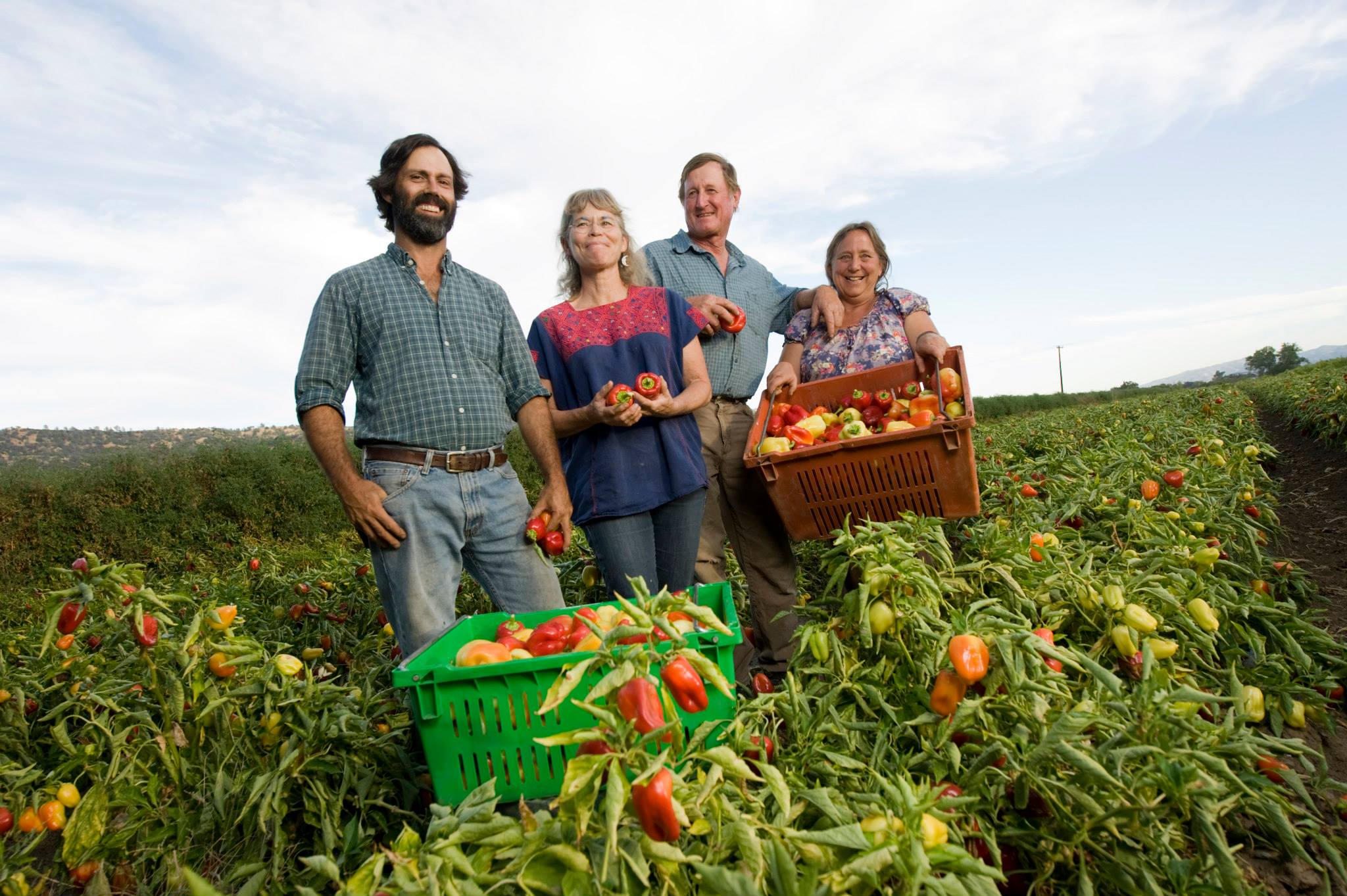
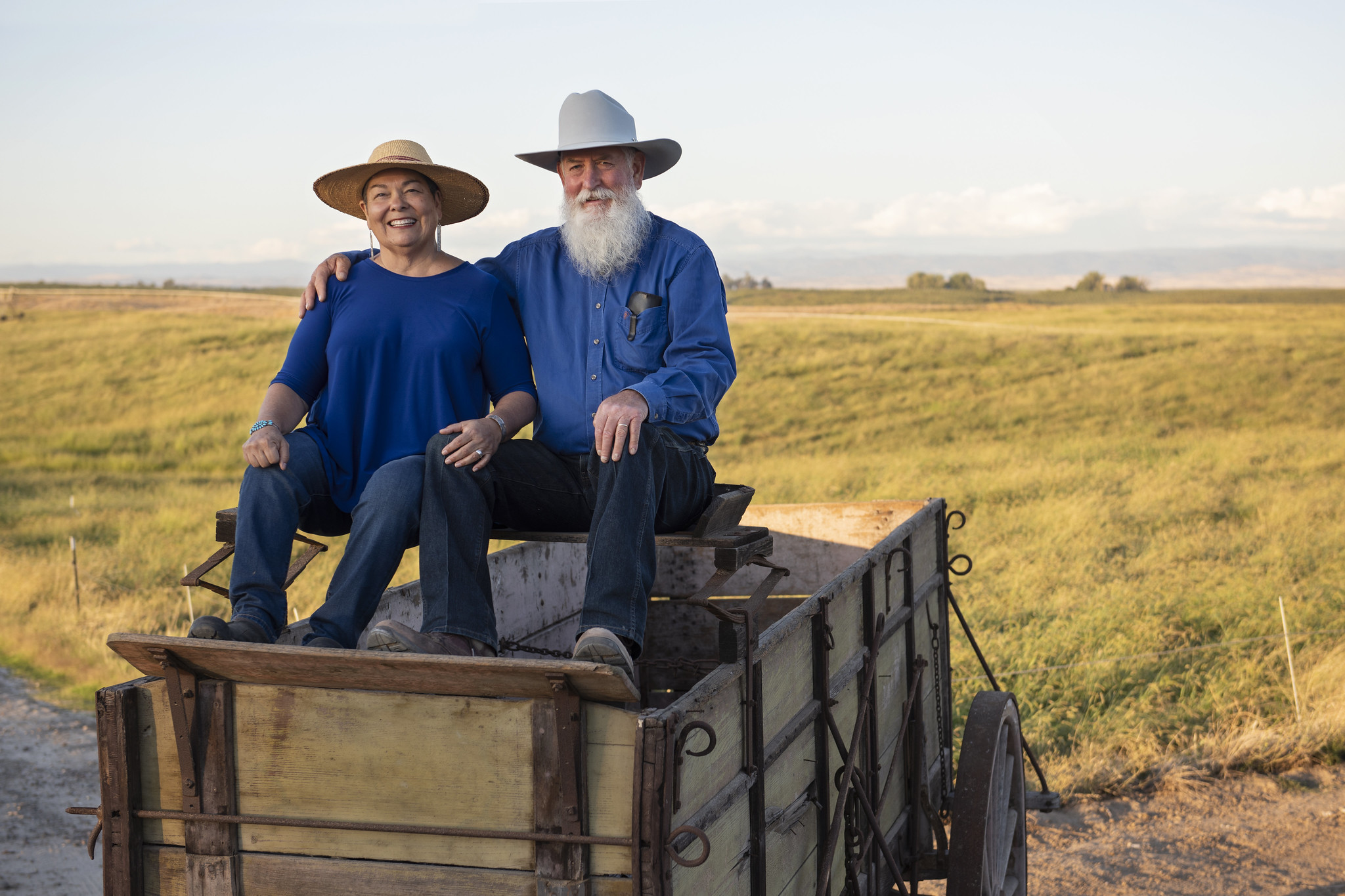
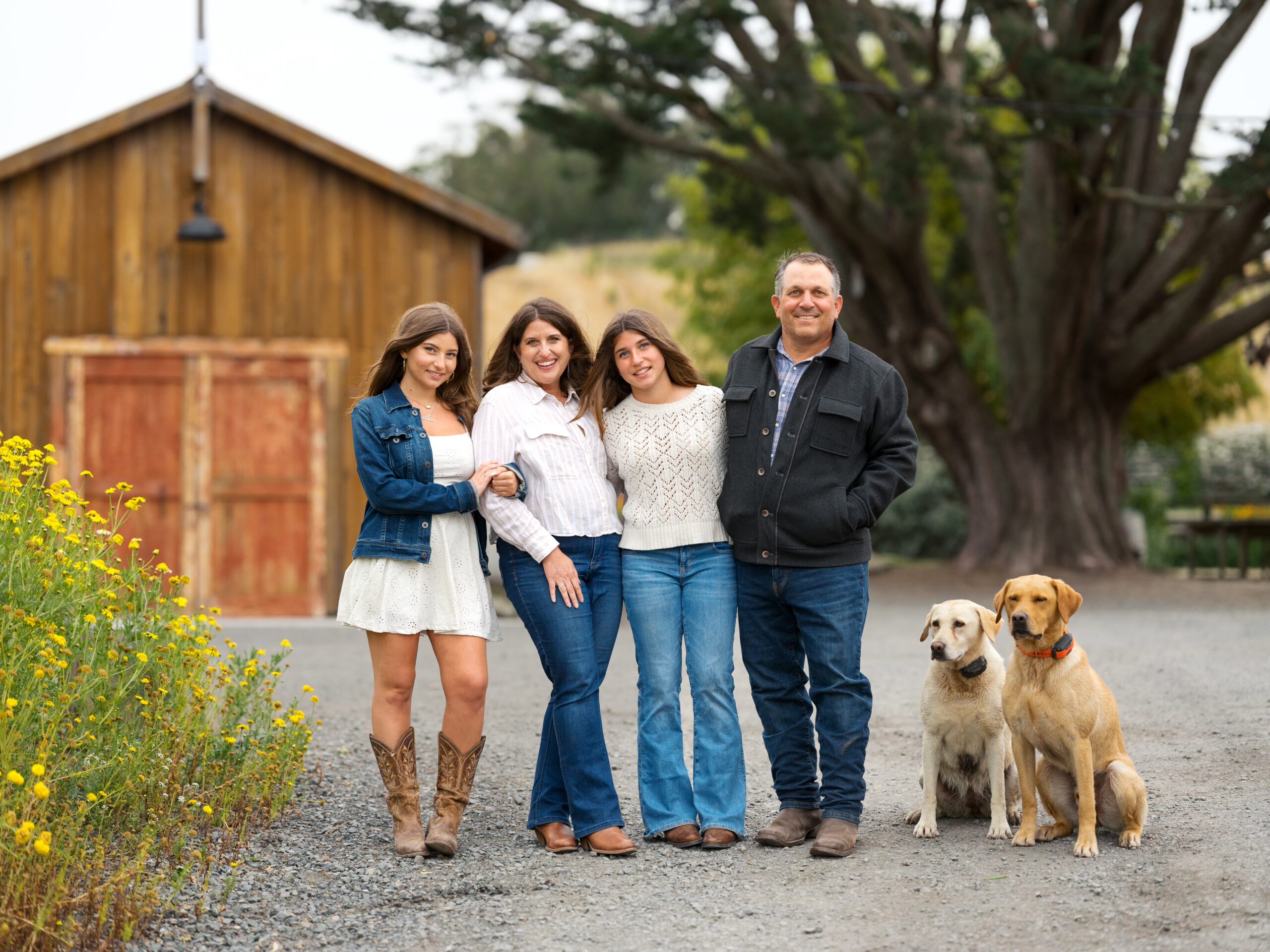
Applications are reviewed by an independent panel of California agricultural and conservation leaders. Last year’s recipient was Stemple Creek Ranch of Tomales. To view profiles of all past recipients, click here.
The 2026 California Leopold Conservation Award will be presented at the California Farm Bureau Federation’s Annual Meeting in December.
California’s working lands depend on the interconnected stewardship of natural resources, communities, and ecosystems. The Leopold Conservation Award recognizes land stewards who are dedicated to sustaining and strengthening this vital connection between agriculture and conservation. Josette Lewis, Sustainable Conservation CEO
“The Leopold Conservation Award provides outstanding recognition of farmers and ranchers who take steps every day to realize significant gains in managing their farms in a sustainable and profitable manner,” said Shannon Douglass, California Farm Bureau Federation President. “The awarded families are great examples of the generational appreciation farmers and ranchers have for their land. The stewardship they employ at their farms and ranches is reflective of California farmers’ and ranchers’ commitment to the environment.”
“Leopold Conservation Award recipients are examples of how Aldo Leopold’s land ethic is alive and well today,” said Kevin McAleese, Sand County Foundation President and CEO. “Their dedication to conservation is both an inspiration to their peers as well as a reminder to all how important thoughtful agriculture is to clean water, healthy soil, and wildlife habitat.”
“As the national sponsor for Sand County Foundation’s Leopold Conservation Award, American Farmland Trust celebrates the hard work and dedication of the award recipients,” said John Piotti, AFT President and CEO. “At AFT we believe that exemplary conservation involves the land itself, the practices employed on the land, and the people who steward it. This award recognizes the integral role of all three.”
The Leopold Conservation Award in California is made possible thanks to the generous support of American Farmland Trust, Sustainable Conservation, California Farm Bureau Federation, Sand County Foundation, The Harvey L. & Maud C. Sorensen Foundation, Bowles Farming Company, California Rangeland Trust, Farm Credit, and California Leopold Conservation Award recipient alumni.
Stay tuned to see who will named the 2026 California Leopold Conservation Award Recipient this winter! In the meantime, visit this page to see what made prior award recipients stand out.
SAND COUNTY FOUNDATION inspires and empowers farmers, ranchers, and forestland owners to ethically care for the land to sustain water resources, build healthy soil, and enhance wildlife habitat. www.sandcountyfoundation.org
SUSTAINABLE CONSERVATION helps California thrive by uniting people to solve the toughest challenges facing California’s land, air and water. Since 1993, it has brought together business, landowners and government to steward the resources that we all depend on in ways that make economic sense.