Sustainable Conservation 2025 Annual Report
Learn about our collective impact and environmental wins in Sustainable Conservation’s 2025 Annual Report!

Learn about our collective impact and environmental wins in Sustainable Conservation’s 2025 Annual Report!

To understand how water managers may protect California against flooding and groundwater overdraft in a warming climate, DWR linked several distinct pieces of software that simulated upper watershed snowpack and runoff, routed river flows, managed reservoir pools, optimized recharge operations, and modeled the resulting groundwater movement to determine the ultimate fate of recharged water.

The Watershed Studies are a novel approach to modeling climate change impacts at the watershed scale, from precipitation trends in the upper watershed to groundwater behavior beneath the Valley floor.

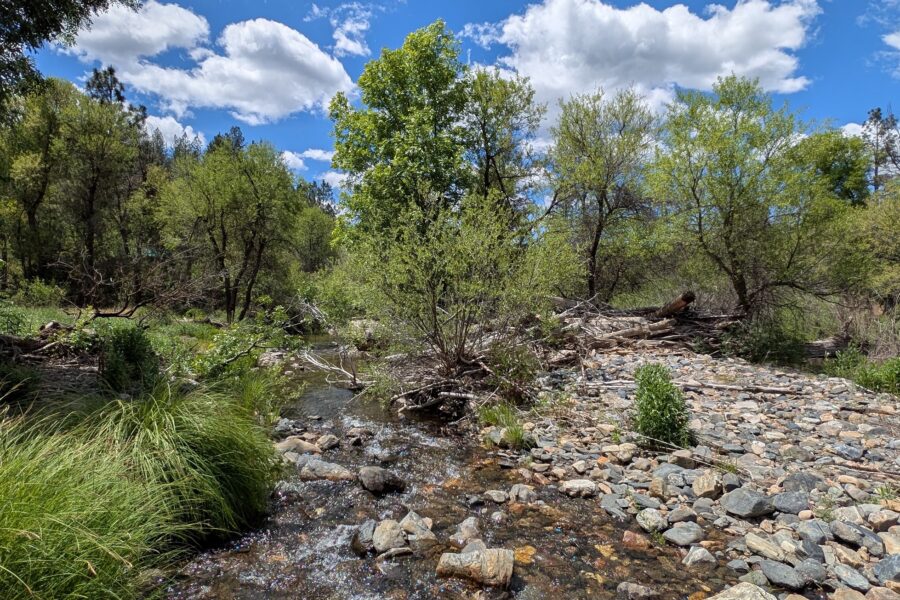
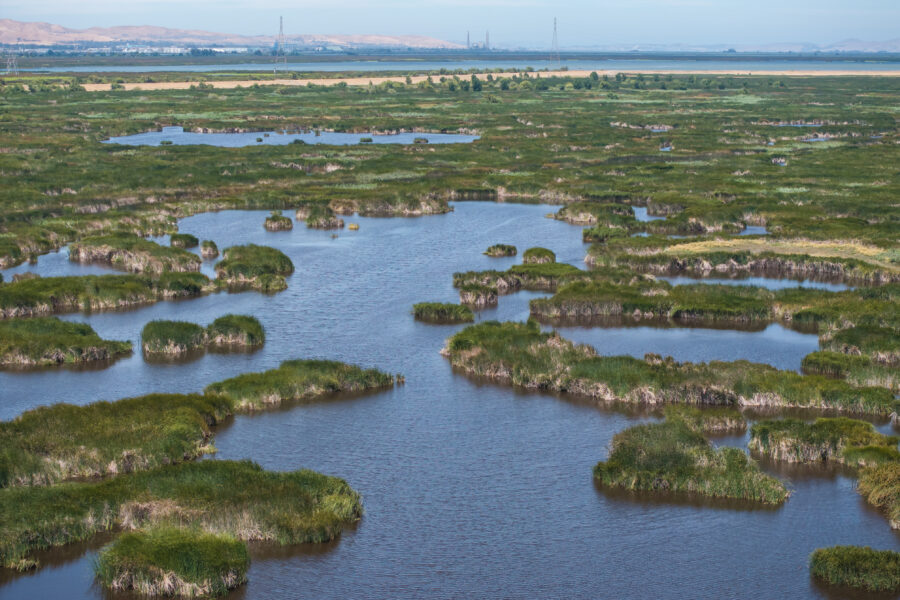
At a glance Riparian zones (the thin ribbons of green along riverbanks) are California’s most wildlife-dense habitats, supporting over 225 species of birds, mammals, and reptiles. Read full summary ▾ Over the last 100 years, development and river regulation have destroyed between 90% and 95% of these critical corridors. Investing in riverbank restoration is a…

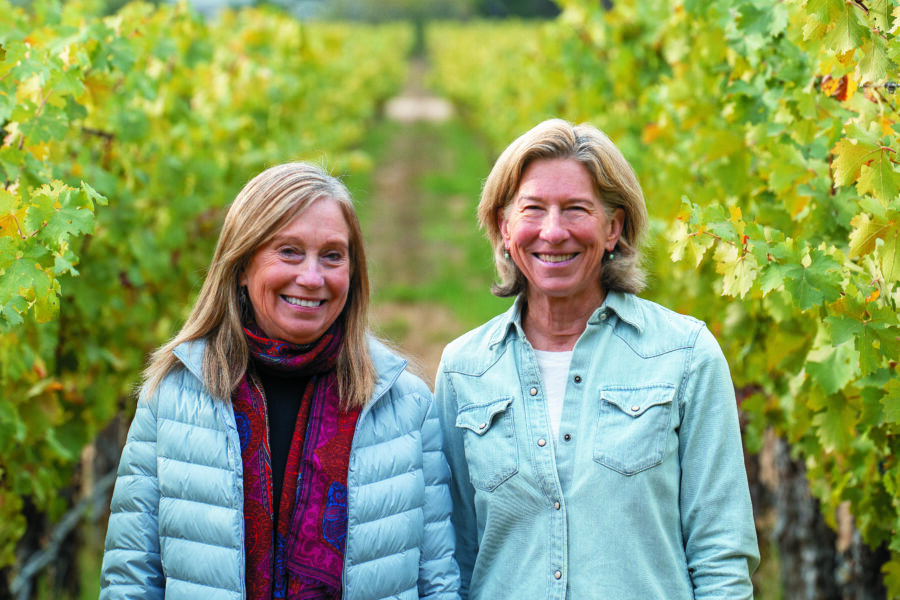
A Groundwater Recharge Guide for Vineyards Sustainable Conservation and the California Sustainable Winegrowing Alliance (CSWA) have released A Groundwater Recharge Guide for Vineyards to help winegrape growers evaluate, plan, and implement on-farm groundwater recharge to contribute to regional groundwater sustainability. As California’s wine regions face growing groundwater pumping regulations under the Sustainable Groundwater Management Act (SGMA), the guide equips growers with…

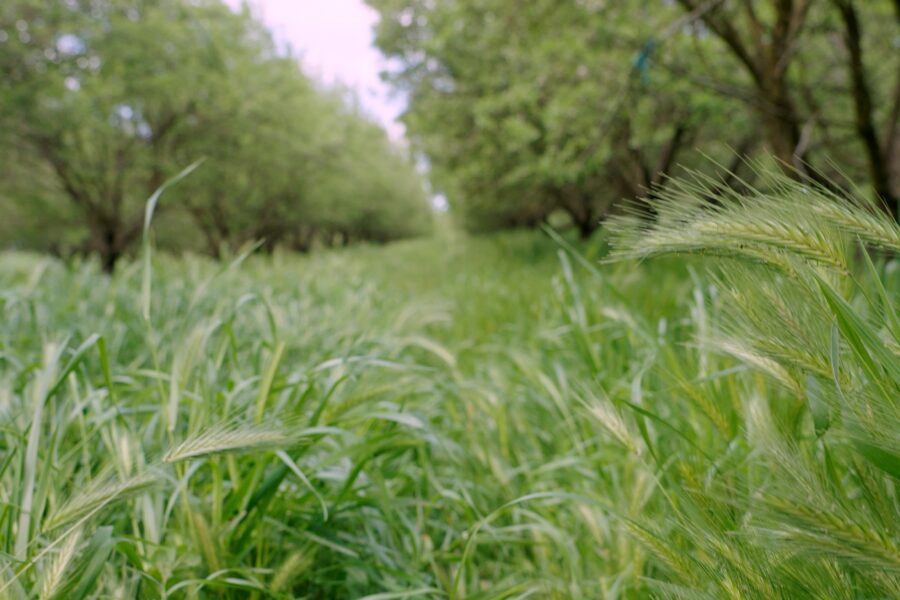
Each fact sheet combines the latest research with grower experience on the ground, going well beyond general cover crop guidance to meet farmers where they are. The suite builds on the foundation of practical considerations for managing cool-season cover crops with maximal water benefits and minimal water use laid out in the May 2025 guidance document, and extends it with a depth of context, data, and practical implementation detail.

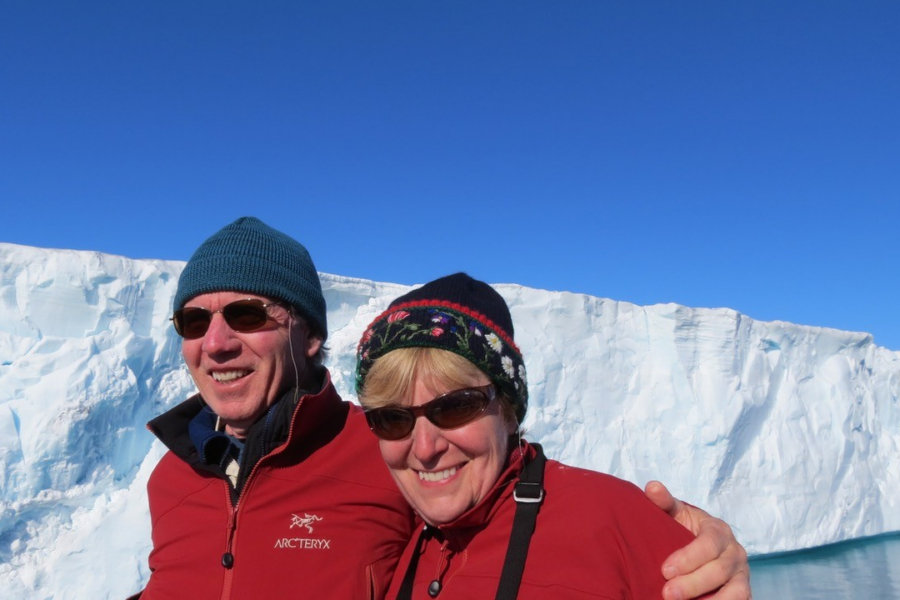
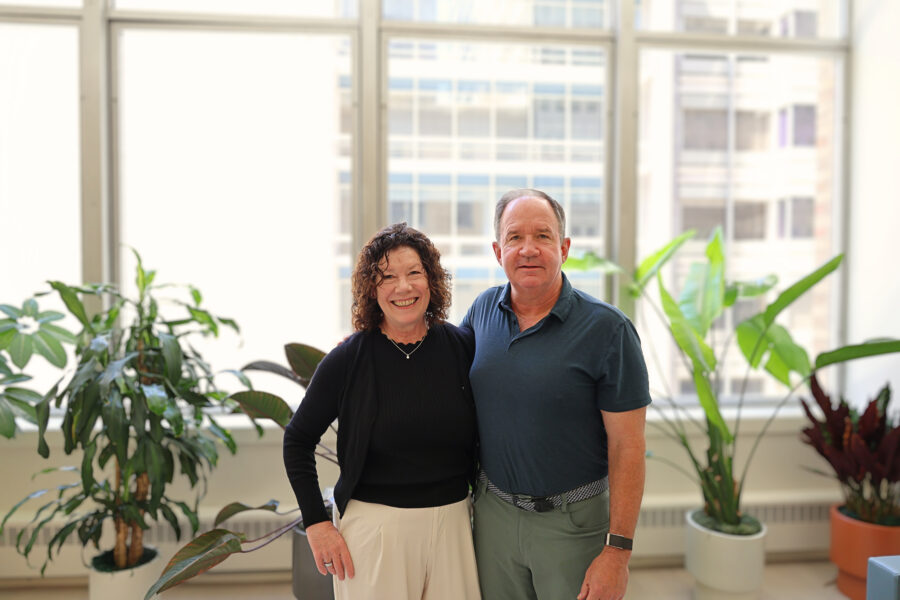
Sustainable Conservation Board Chair Jeff Loomans and his wife, Patricia Munter, first became involved with Sustainable Conservation in 2018. Since then, they have become dedicated champions of the organization’s work, with Jeff joining the Board and stepping into the role of Board Chair at the beginning of this year.

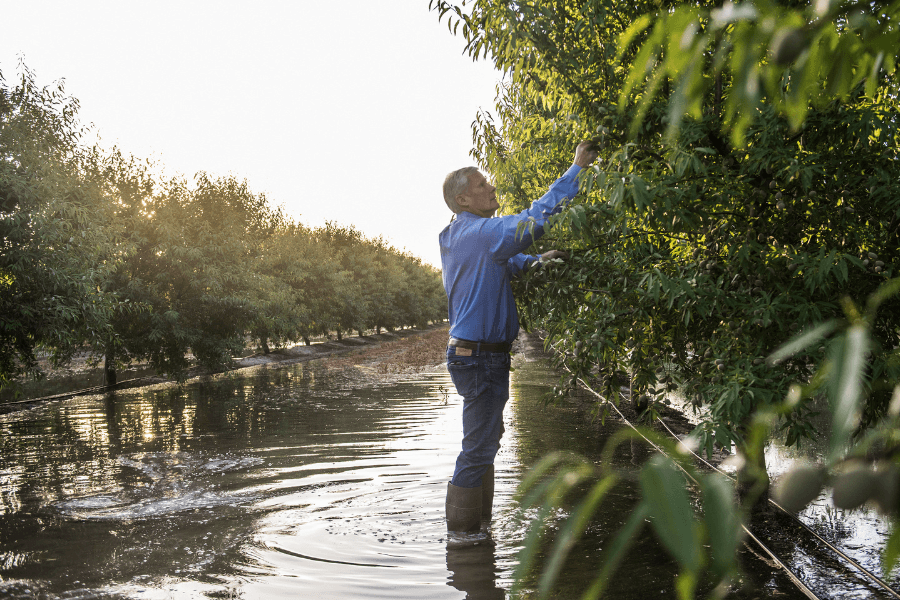
Are you a California farmer, rancher, or forestland owner who improves soil health, water quality, and wildlife habitat on your working land? Apply for the 2026 California Leopold Conservation Award®

Join us in giving Sustainable Conservation’s newest staff member, Em Whalen, a warm welcome!

At the North Coast Regional Water Quality Control Board’s April 15th meeting, Sustainable Conservation’s Accelerating Restoration team was honored with the Executive Officer’s 2025 Water Quality Stewardship Award. This year’s award recognized the decades of work the team has put into restoration permitting improvements to make habitat restoration faster, more effective, and more accessible across California.

To kick off Healthy Soils Week, we spoke with Dr. Tawny Mata, Director of the Office of Agricultural Resilience and Sustainability at the California Department of Food and Agriculture (CDFA), about healthy soil practices, groundwater resilience, and what it takes to bring science from research into real-world agricultural management. Healthy Soils Week highlights the essential…

Join us in giving Sustainable Conservation’s new Policy Director, Lauren Navarro, a warm welcome!