To kick off Healthy Soils Week, we spoke with Dr. Tawny Mata, Director of the Office of Agricultural Resilience and Sustainability at the California Department of Food and Agriculture (CDFA), about healthy soil practices, groundwater resilience, and what it takes to bring science from research into real-world agricultural management.
Healthy Soils Week highlights the essential role soils play in supporting resilient farms, thriving ecosystems, and strong rural communities. Since 2018, CDFA’s Healthy Soils Program has supported farmers and ranchers in adopting practices like compost application, cover cropping, hedgerow planting, and reduced tillage. These approaches help build soil organic carbon, improve water retention, reduce greenhouse gas emissions, and support biodiversity—delivering climate and water benefits while strengthening long-term farm productivity.
Our conversation explores how these practices translate from policy and research into practical, on-the-ground action across California.
Read or listen to the conversation below.
Shayan Kaveh, Science Communicator
What’s the origin of your interest in agriculture and sustainability research? What inspired your current role?
Dr. Tawny Mata
I have a PhD in ecology from UC Davis. I was doing my research in grassland systems, some of which were grazing systems, but not exclusively. As I was doing that research, I also had a fellowship to teach at a high school out in Tomales Bay, which is a big agricultural area of Marin and Sonoma Counties. I would eat lunch in the cafeteria with the other staff and made friends with the janitor — who was also a farmer. He worked at the school to get health insurance, but otherwise had a family farm in Tomales. I realized there was this perfect marriage of my interest in ecology and conservation with my interest in food, which has been an interest my entire life. There’s a way to marry these two interests and think about conservation through agriculture. So much of our land, especially in California, is involved in agriculture in some way, so to me it was the professional interest I’d always had in biology and conservation married with that personal obsession I’ve always had with food.
I started there and then got a fellowship to work at the U.S. Department of Agriculture, placed in the chief scientist office at USDA. I just loved it. I knew this was a meeting of two of my great interests — I was fascinated by the science and the practical applications of science on the ground, which is why I wanted to get my PhD in the first place. How do we take science out to the public and the users and make sure we’re getting something back for those investments?
SK: That is awesome. I grew up near Pt. Reyes, and it was a big part of my own interest in this field as well. It’s fascinating how different that region’s agriculture is compared to the rest of California’s.
TM: It was a multi-generational family farm. They had mostly animals — cattle, pigs, chickens, some guinea hens and turkeys, and occasionally sheep. It was an organic farm, and I would go out there on the weekends, feed animals, do chores, just to be outside and get to experience it and see how the farm worked.
SK: Tell me about CDFA’s interest in healthy soils and specifically cover crops.
TM: The best incentives are win-win situations. We want the state to win, and we want the producer to win. California has invested really heavily in soil health because it’s a win for producers economically, a win for the communities around them in terms of environmental quality, and a win for the state in terms of our goals for carbon sequestration. Healthy soil not only stores carbon, but it also keeps air and water cleaner and can provide habitat for native organisms. To me, that’s the perfect state investment where everybody’s getting a little bit of what they want.
My first interaction with soil health was actually out in Iowa. I was out on a field day with Jerry Hatfield, a really well-known agronomist at USDA, and he was showing us successive fields that had been no-tilled. He showed us this “pain period” that producers go through — the first year things look really rough, the second year things look a little better, and by the third year, that native soil biodiversity is kicking in, you’re getting a lot more active microbial activity, and it becomes a lot more manageable. Producers start to see the benefits of those practices.
That proves out what we believe about our programs: we’re here to de-risk these practices for producers. Allow them to try something new on their land with a little bit less risk than they would take on if it were all their own funds, and help them through these periods of transition. Cover crops really fit right into that ethos. They take water, so I can understand why producers in California would have a hard time committing to that strategy. We offer an opportunity for them to try it out for several years and see if it’s worth it to them to continue.
SK: There’s a lot of momentum building around implementing healthy soil practices in California — from research and from grower experience. How does that information support your work at CDFA?
TM: Our incentive programs, like the Healthy Soils Program, are often paired with free technical assistance. We want to make sure every grower has access to expert help planning out and implementing their project, because a lot of these are new techniques and experiences for them. That technical assistance is often delivered through Resource Conservation Districts (RCDs) or nonprofit organizations.
Research and grower experiences are really key inputs into that high-quality technical assistance. The more data we have, the better — but at some point that data needs to go out into the field. You hear a lot of people say nothing convinces a farmer to try something better than seeing their neighbor try it and have it work out. The Healthy Soils Program has long funded research and demonstration grants to collect data on practices and use that to keep our program updated.
I’m always grateful to organizations like Sustainable Conservation because, with a project like the cover cropping work SC took on, they invested a lot of time convening, getting consensus, and taking that nerdy field research data and putting it into practical advice for producers — packaging it in a way that we could actually extend it and provide it to our technical assistance providers and make those investments go further. Our programs are really founded in science and data, but science and data only get you so far. At the end of the day, we’re not going to collect data on every individual farm field. We need to find rules of thumb based on data that can work for everybody.
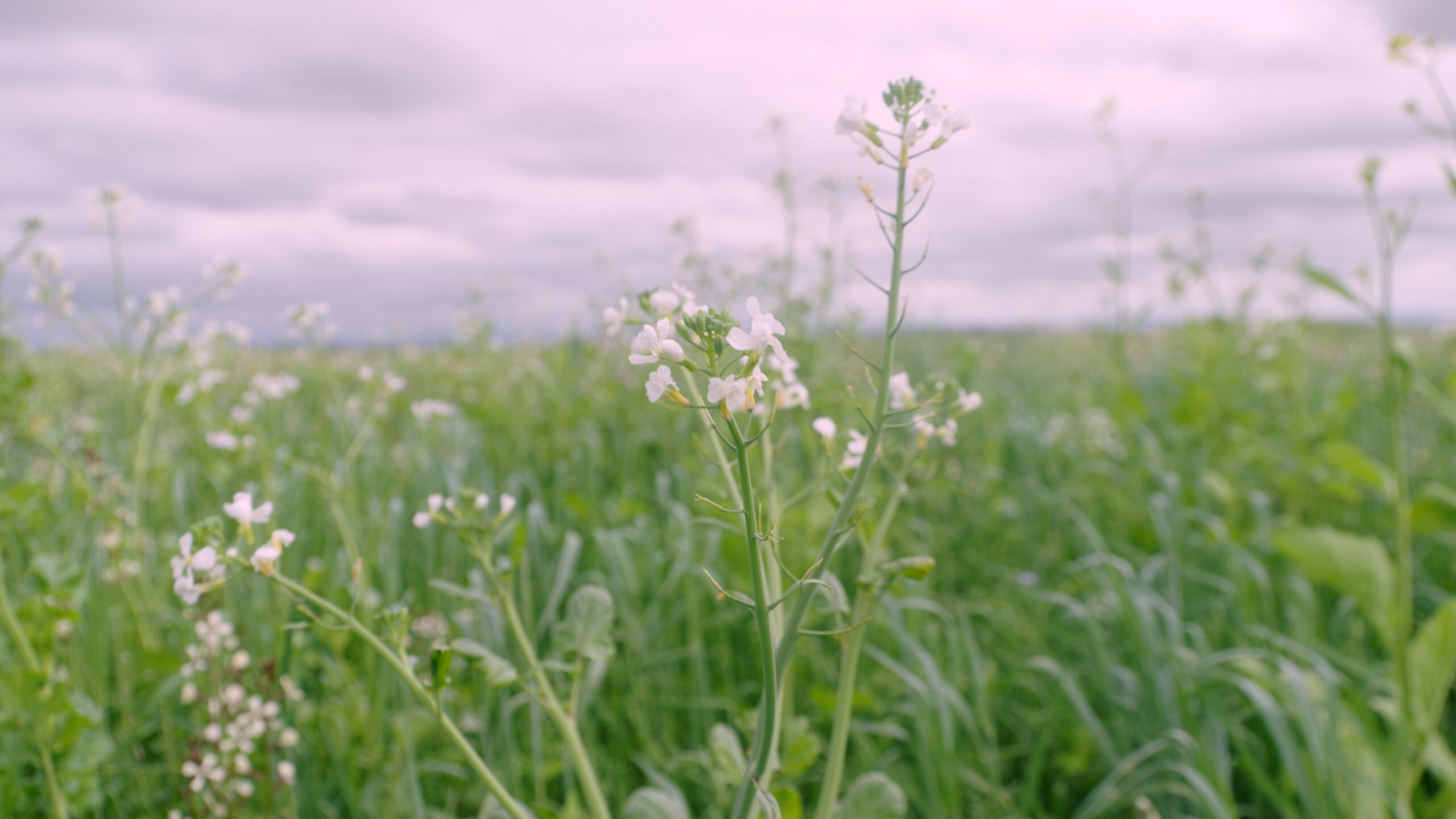
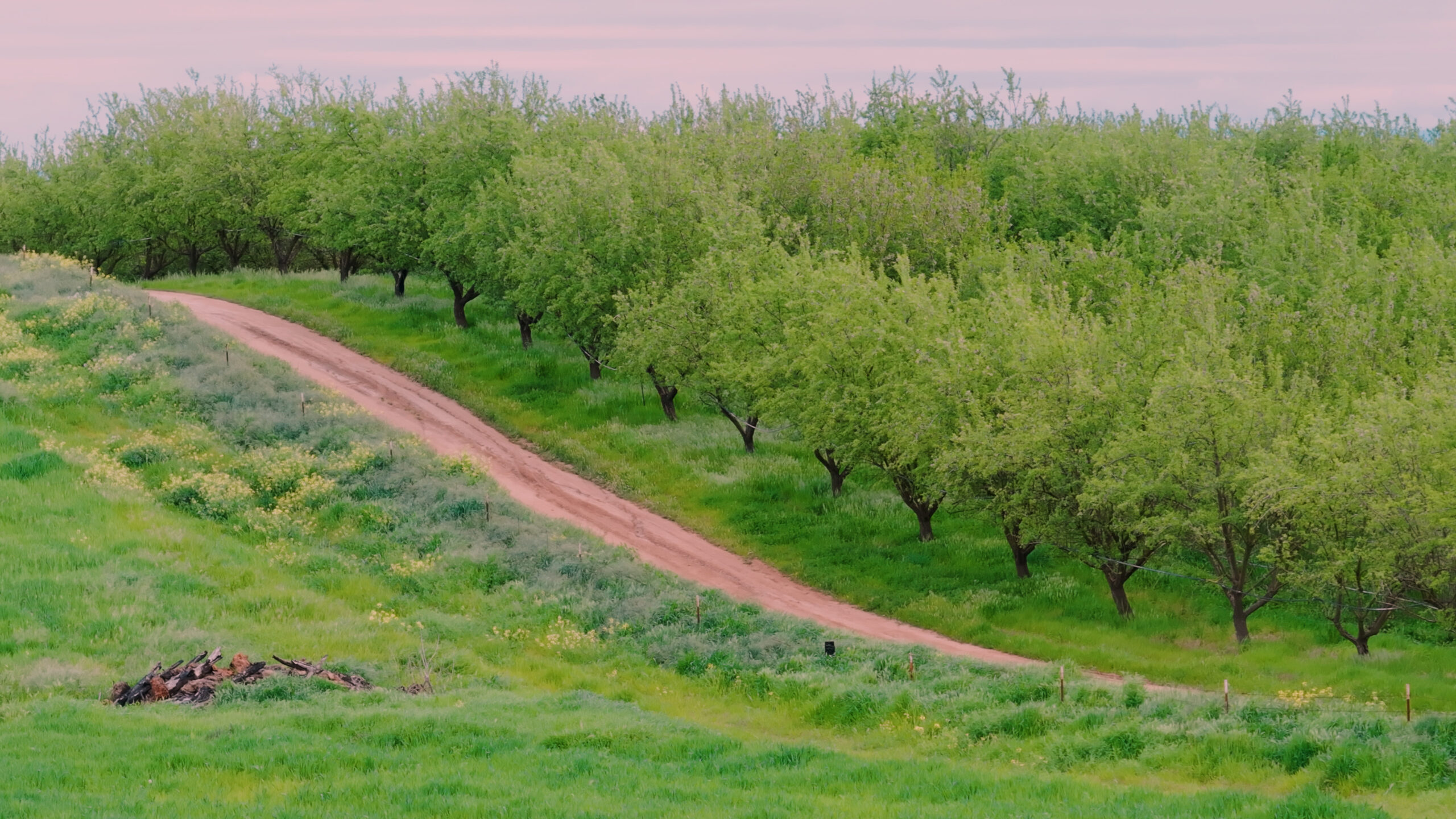
SK: What are your hopes for how regenerative agriculture could be integrated into the state’s broader drought resilience and groundwater sustainability strategies?
TM: In 2022, California adopted a nature-based solutions climate-smart strategy, and that same year Assembly Bill 1757 passed, which codified nature-based solutions into California’s strategy for mitigating and adapting to climate change. Based on an expert advisory committee’s recommendations — which were part of the requirements for AB 1757 — California set a goal of having 3.5 million acres of cropland using healthy soil practices by 2045.
I think healthy soil practices are a great opportunity not only to make good on that carbon sequestration goal, but to think about it more expansively in terms of our water goals. Our office has a water efficiency program called the State Water Efficiency Enhancement Program (SWEEP), and while water is in the name, healthy soils — even though it’s not — also has water benefits in terms of infiltration, reducing runoff, and contributing to clean water. We can think of healthy soil practices on the land as a resilience-building strategy at a large scale — not just farm by farm, but basin by basin. The more producers that are implementing these practices, the more it helps things like groundwater and reducing water needs on farms.
If I had a dream, I would love to be able to account for those water benefits when we’re accounting for the carbon benefits. Every healthy soils project, we account for the carbon benefits — wouldn’t it be great if we could also account for the water benefits? Then we’d be able to clearly and compellingly communicate to our state legislators and the public about the value of these public investments, and communicate more fully about the Healthy Soils Program as a multi-benefit program. We’ve made some small steps toward that in our Healthy Soils Demonstration grants, asking grantees — often universities — to collect information on the water impacts of these practices. But I would love to see a more full and holistic accounting of the benefits, including water.
SK: Can you share an inspirational story from a farmer who received a Healthy Soils grant?
TM: A couple of years ago, I went out to Rainwater Ranch, a farm in Winters, California. They grow citrus and flowers, which they sell at my local farmers’ market as well as other places. The tour was organized by the Community Alliance for Family Farmers (CAFF), a great partner of ours. Lee and Lauren, the farmers there, received a Healthy Soils grant in 2022 and were able to implement cover cropping on five acres as well as plant hedgerows.
Lee took us out to show us what the soil looked like where they had done the cover crops, right next to where they had not. I’m not a soil scientist, but I do live in Winters, and I have this horrible clay soil that can be really hard to work with. What I saw on their farm was just this huge difference. They do a rotation of winter and summer crops with their flowers, and it’s created this really rich, absorbent organic layer. They’re reaping the benefits in their business. To me, that was a very visual, obvious demonstration of the impact of this grant program and these practices — helping these producers try something new.
SK: What opportunities are available for farmers interested in exploring cover crops or other healthy soil practices?
TM: In 2024, Proposition 4 — the Climate Bond — passed, which gave our Healthy Soils Program an infusion of $65 million. We’re currently running that funding as block grants. Block grants are an opportunity for regional organizations, or organizations that serve a specific community, to address the priority needs in their community — whether that’s orchard owners wanting to do whole orchard recycling, or a specific groundwater basin wanting to implement soil health practices that support water infiltration. They can pitch a project that serves those specific needs. We expect to award those block grants later this year in 2026, and then they should be opening funding for producers to apply in 2027 — so a little ways off.
In the meantime, the USDA Natural Resources Conservation Service (NRCS) has launched a regenerative pilot program. I really encourage folks to reach out to their local NRCS office and understand the application process and timeline. My understanding is that the program combines both EQIP and CSP funding into one application, so it’s a more streamlined way to apply for funding to do things like cover cropping and other soil health practices.
SK: What other soil health practices are you excited about beyond cover crops?
TM: One thing that comes to mind is fertigation — using irrigation lines and manure from dairies to provide a recycled nutrient source. I think that’s another great example of taking research, finding practical applications, testing it in the field, and offering demo days and opportunities for people to see it in action. Another good way that SC has been practically on the ground, figuring out how to take things that work well in theory and put them into practice.
Another exciting thing we’re doing with the Healthy Soils Program this year is setting aside a tribal component, and we’re going to go through a formal consultation process for any tribes that are interested in providing input and try to customize the Healthy Soils block grant to tribal interests. One way we think we could upgrade the program is to include cultural burning and account for its benefits. But we’re also open to hearing about other ways our existing practices might be tailored to meet tribal needs. It’s the first time we’ve done anything like this with any of our programs — a small step, but we’re excited to engage in it. We’ll be going through that process this summer.
Tune in for the rest of Healthy Soils Week!