
With the privilege of nine months of learning as Sustainable Conservation’s CEO under my belt, I have grown especially impressed with the niche that the organization has carved for itself. Much like the youngest child in the backseat of a station wagon, we tend to find ourselves in the “uncomfortable middle.” Not many people or organizations would envy that position, but we love it. It’s precisely where we’ve found we can make the greatest difference in finding, testing, and scaling win-for-all environmental solutions.
The uncomfortable middle is where no easy solution exists. It’s become clear to me that we add the most value to situations where there’s a vacuum of partnership or communication. We know that California’s greatest natural resource challenges can’t be solved alone, and convening the individuals, groups, and agencies pushing the conservation envelope affords us tremendous leverage to scaling environmentally and economically sustainable solutions.
The more arguments you win, the fewer friends you’ll have.
Popular portrayals of California water are notoriously contentious. From 1974’s Chinatown to the famous “whiskey is for drinking, water is for fighting over” quip, you don’t have to look far to find a dramatic caricature of the state’s water politics. When it comes to California water, the stakes are undeniably high, but Sustainable Conservation is proof that contention isn’t a requirement for progress.
Our reputation as an honest broker and a transparent partner is one that has taken decades to build, and it’s our most important currency for building and maintaining mutually beneficial relationships with growers, legislators, communities, other non-profits, government agencies, and more. Mutual trust is what allows us to navigate divergent perspectives and find a path to a solution that didn’t exist prior.
The work ahead makes the value of that middle especially clear. For example, the Accelerating Restoration team is developing expedited permits to reduce the costs for restoration practitioners while demonstrating to regulators that environmental standards are being upheld. Advising agencies on how successful restoration permitting pathways can lower their paperwork burdens and empowering the folks on the ground with shovels and waders to use these permitting tools is a quintessential illustration of role we serve in the middle.
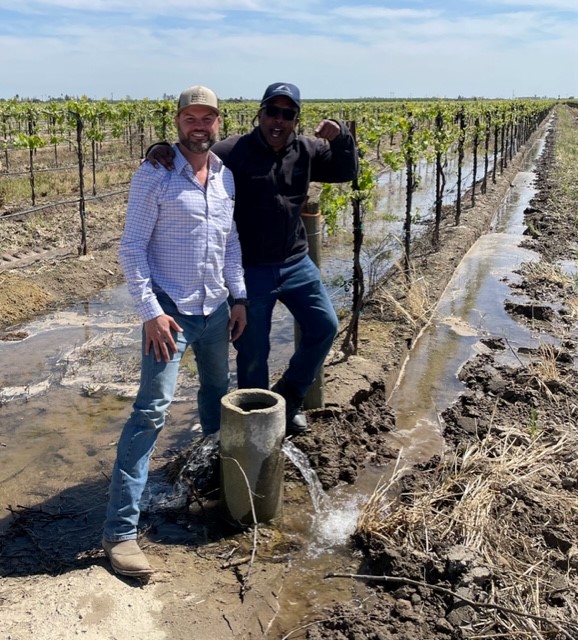
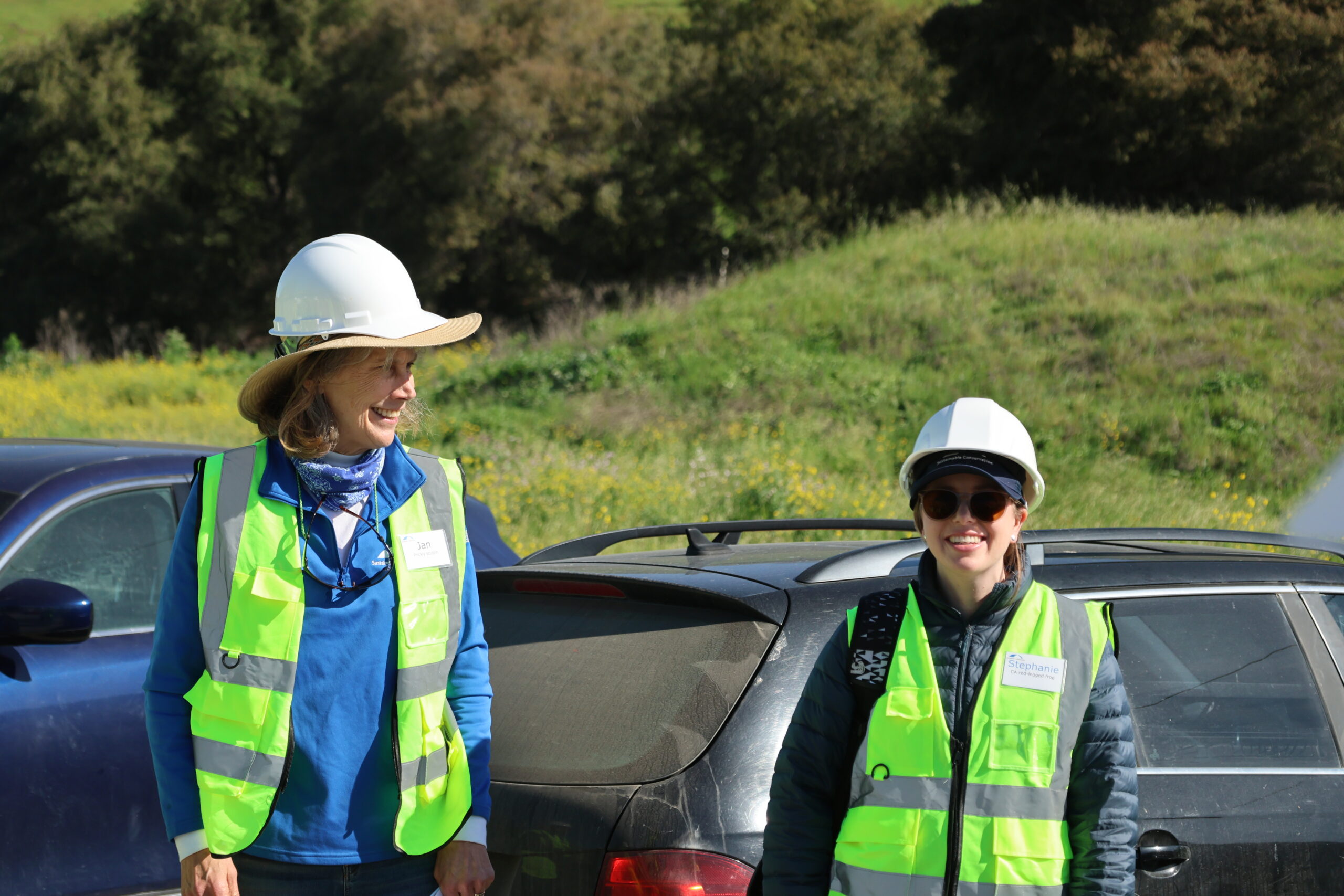
Our work in the agriculture and water conservation spaces is inherently intersectional, and that allows us to ask (and with some help, try to answer) hard questions. Right now, we’re exploring how we can support growers in repurposing land to achieve groundwater sustainability while still supporting the local economy and communities. And as we continue understanding the power of healthy soils for conserving water resources, we’re working in that same space between environmental gains and the practical realities of farming. These are problems that require people willing to stay in the middle long enough to find what works from environmental and economic perspectives and create leverage to make that the norm.
What gives me the most confidence is seeing our staff do exactly that, every day. The middle is the hardest place to hold. It is always easier to gravitate toward an absolute, especially when the problems are urgent and the stakes are high. But our team understands that progress depends on listening closely, acknowledging legitimate constraints, finding common ground and then pushing that ground forward. There’s comfort in knowing that for any given issue, it’s the middle, not the extremes, that moves the needle.
Nine months in, I’ve stopped thinking of the middle seat as the one nobody wanted. It’s the one with a view out both windows. I hope you’ll join us in the uncomfortable middle, the more the merrier!
Josette Lewis
Sustainable Conservation Chief Executive Officer