All photos courtesy of California DWR
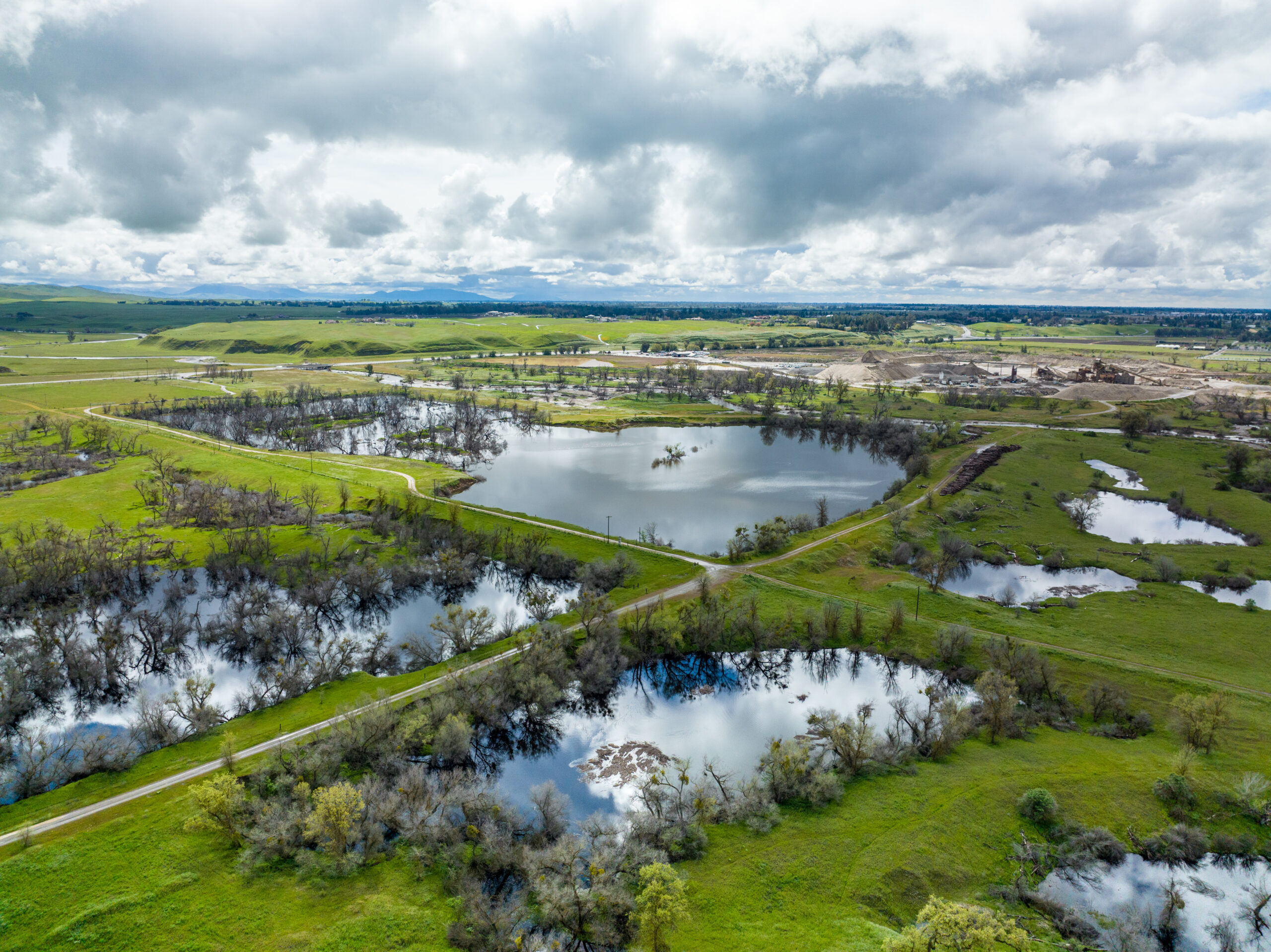
In December 2025, the California Department of Water Resources (DWR) released a suite of San Joaquin Basin Flood-Managed Aquifer Recharge (Flood-MAR) Watershed Studies, which assess how climate-driven shifts in flood and drought patterns will affect the region. The studies further identify where Flood-MAR and reservoir reoperations could be deployed to reduce flood risk and strengthen groundwater supplies. The studies evaluate five major watersheds along the San Joaquin River and offer strategies to help water managers understand how reservoir operations, recharge, and ecosystem needs can be coordinated to develop multi-benefit projects across the San Joaquin Valley.
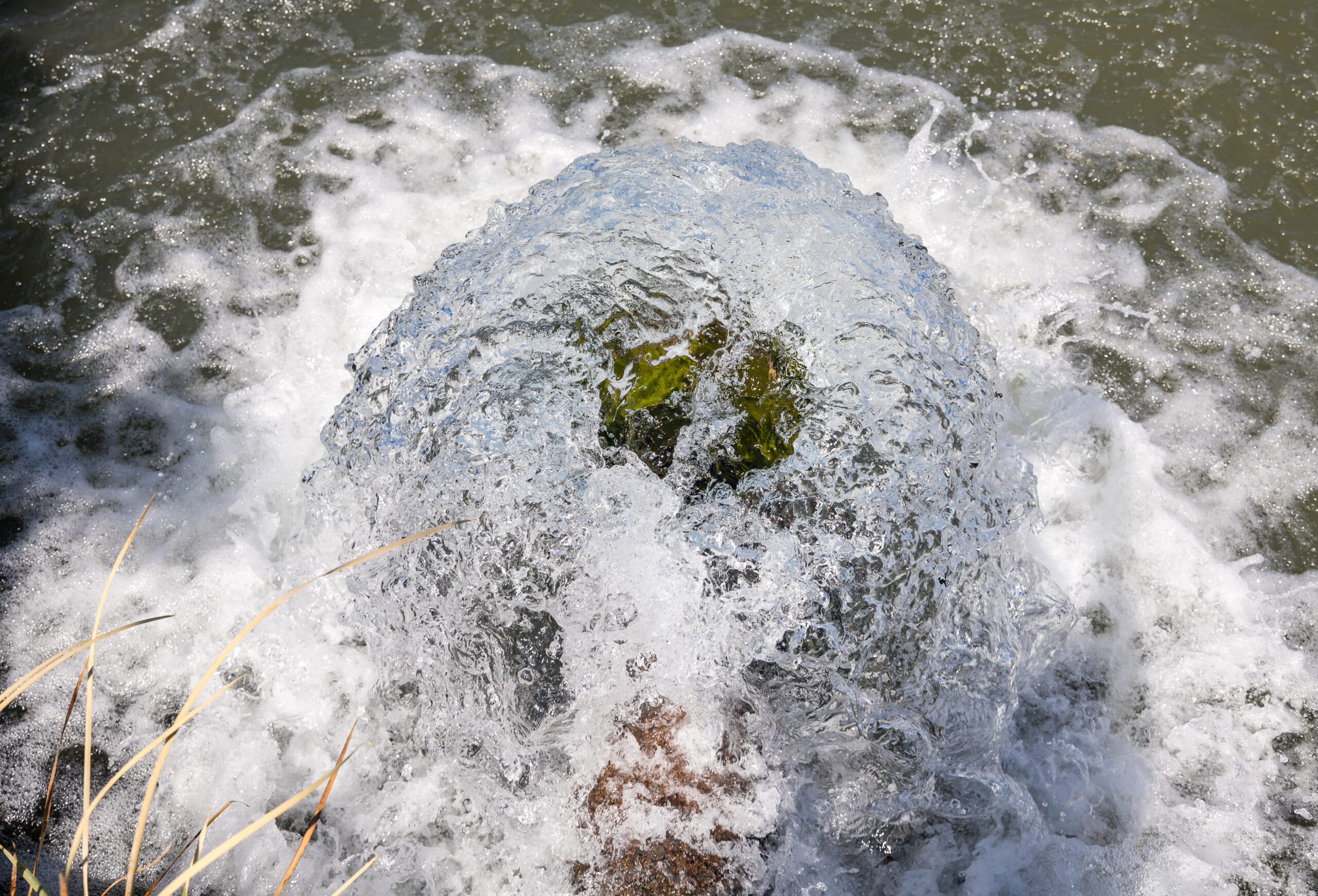
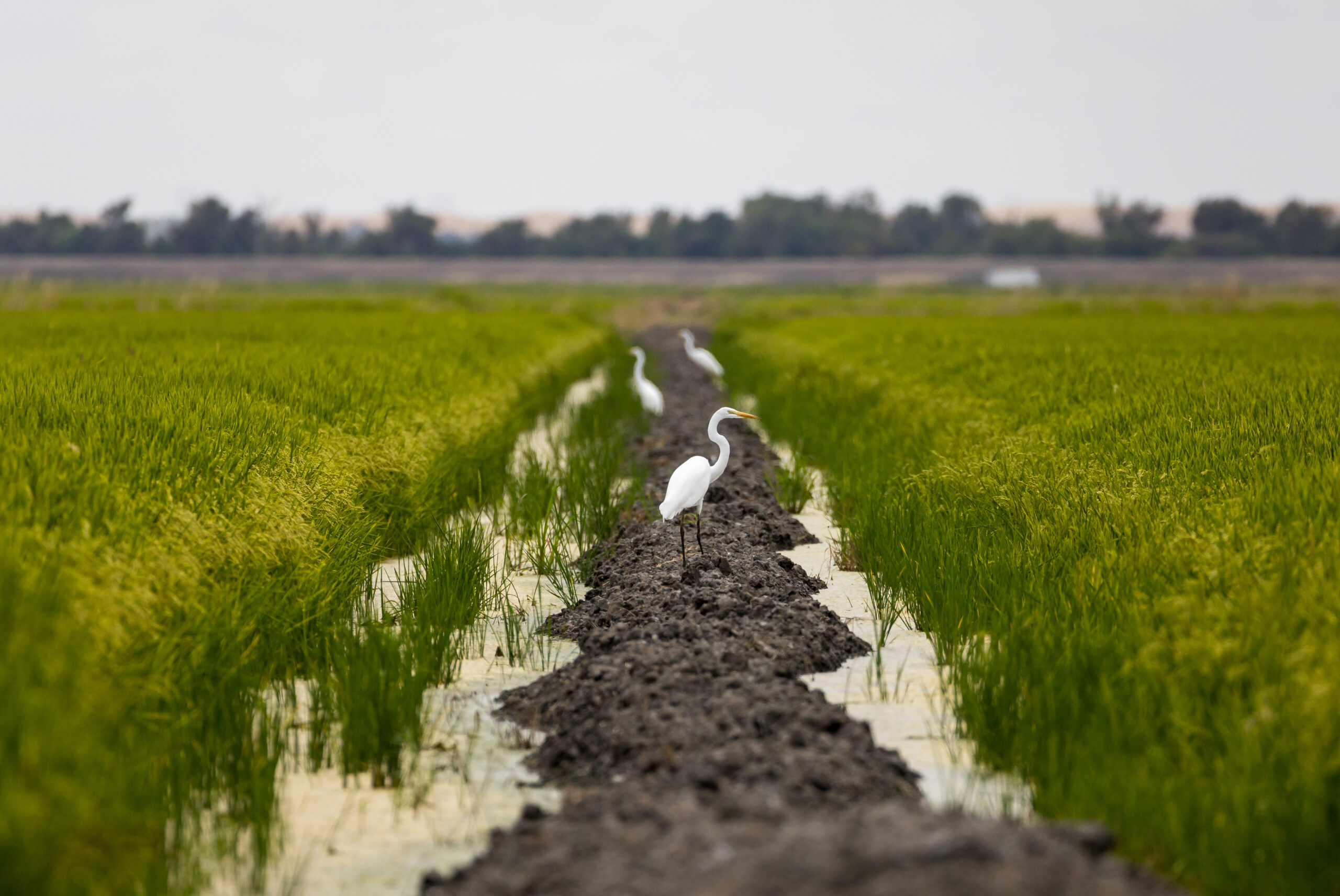
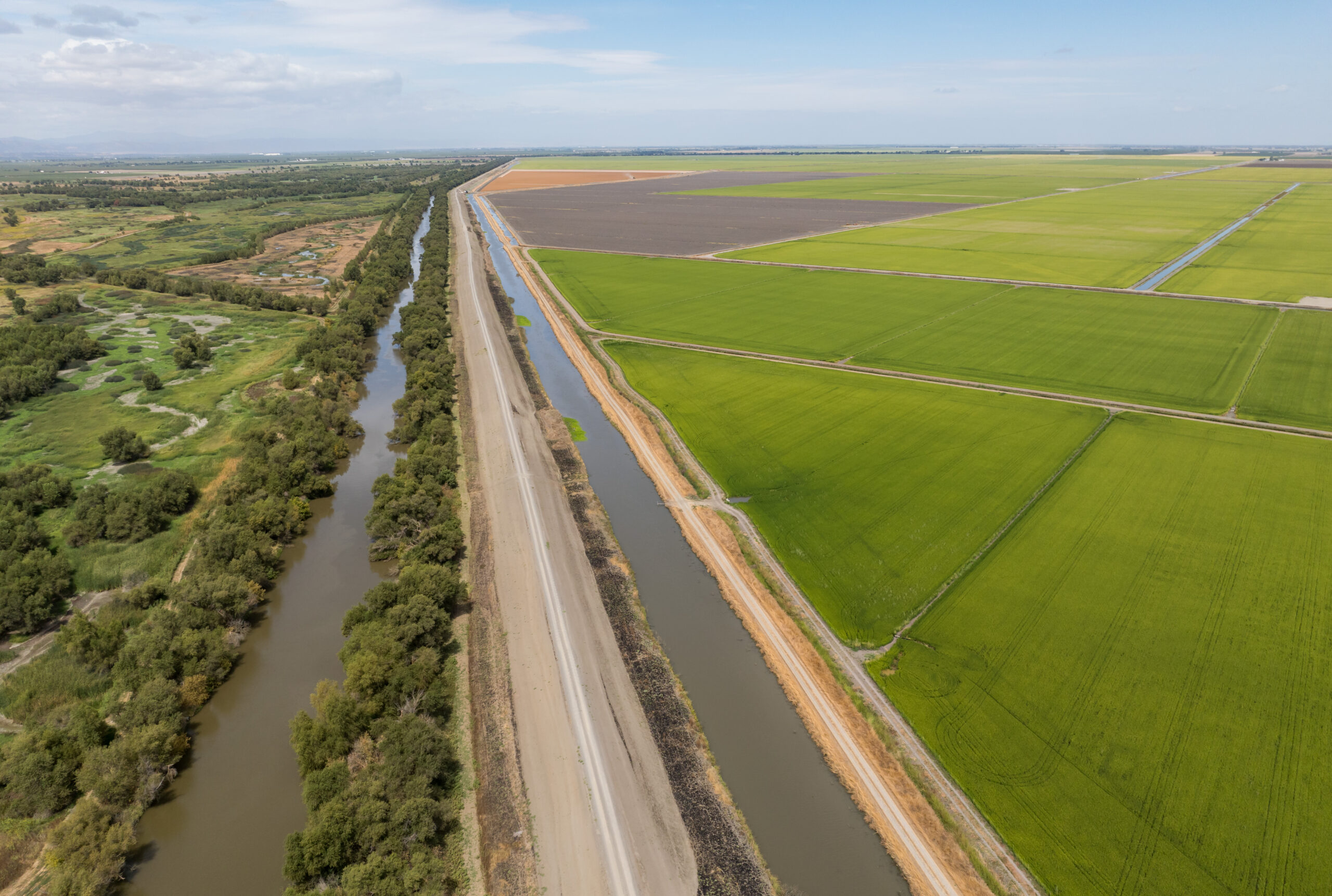
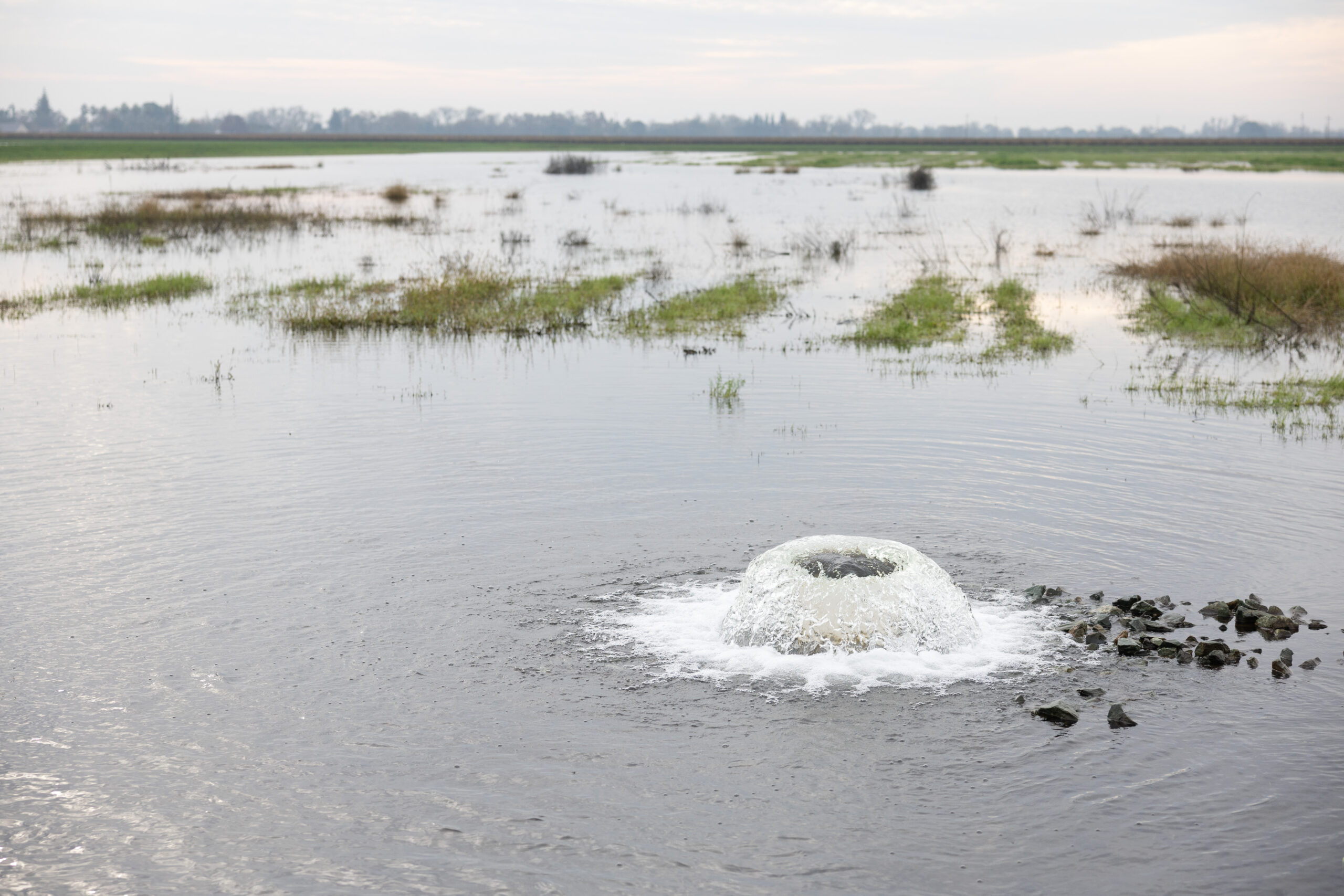
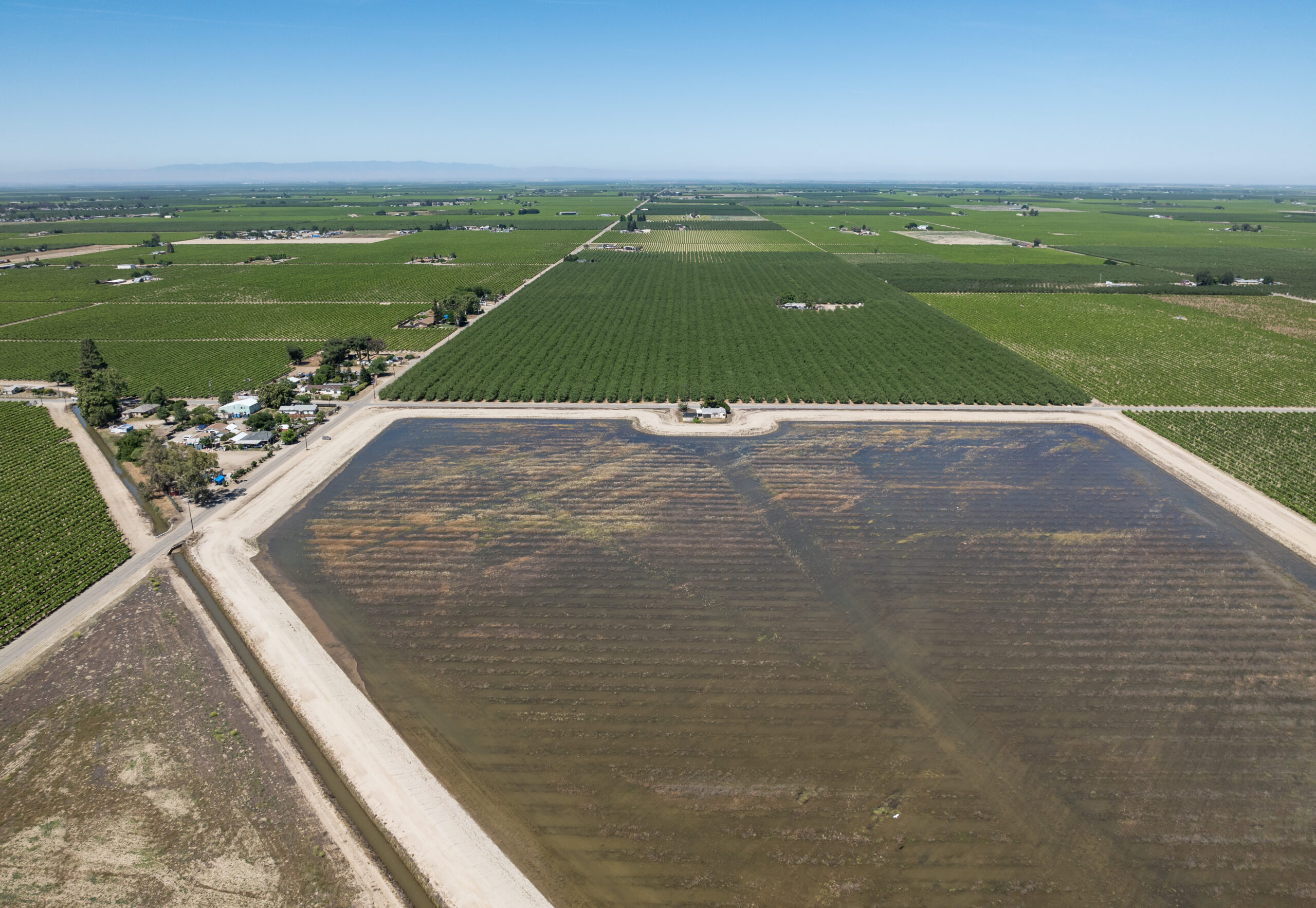
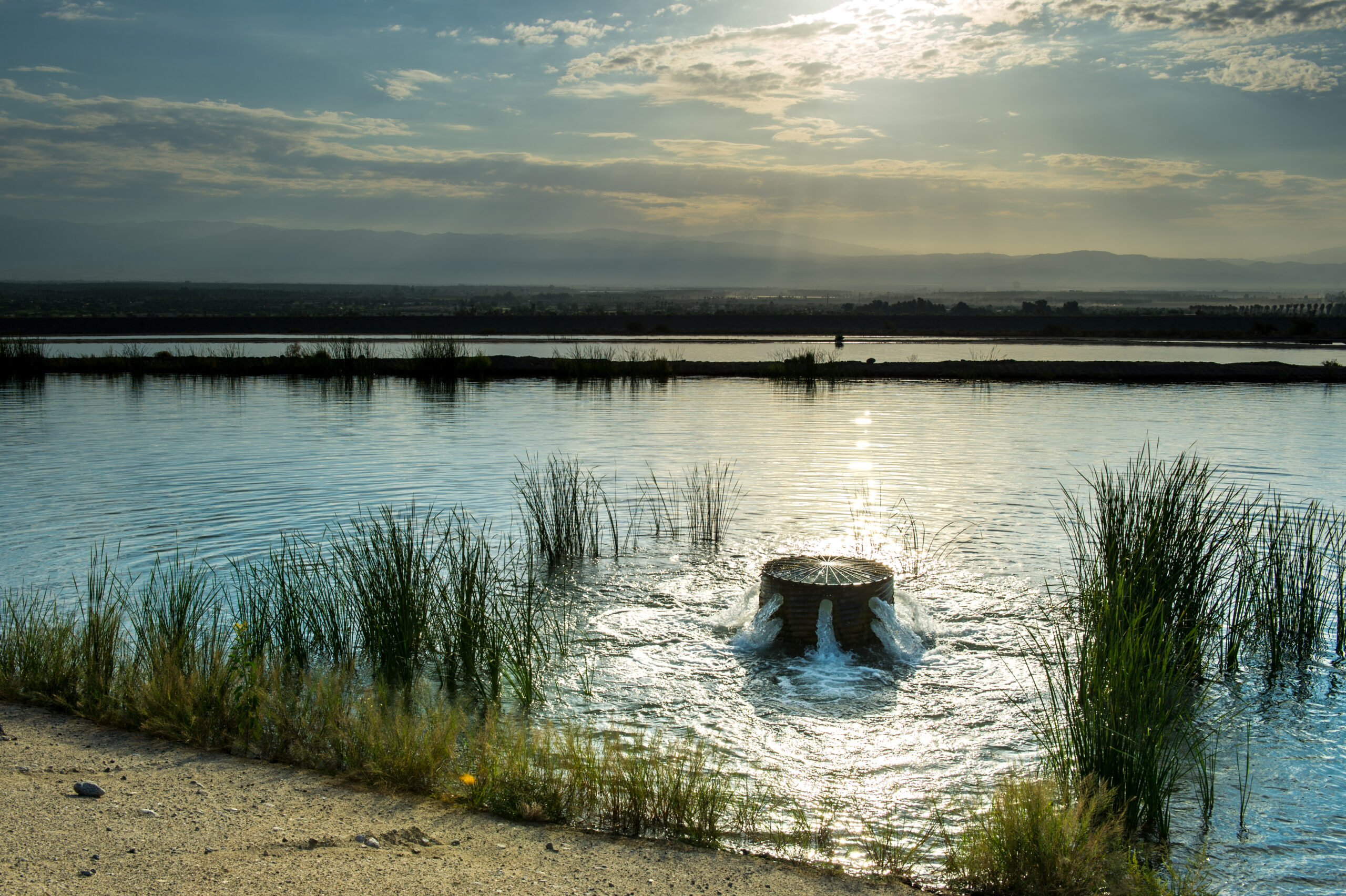
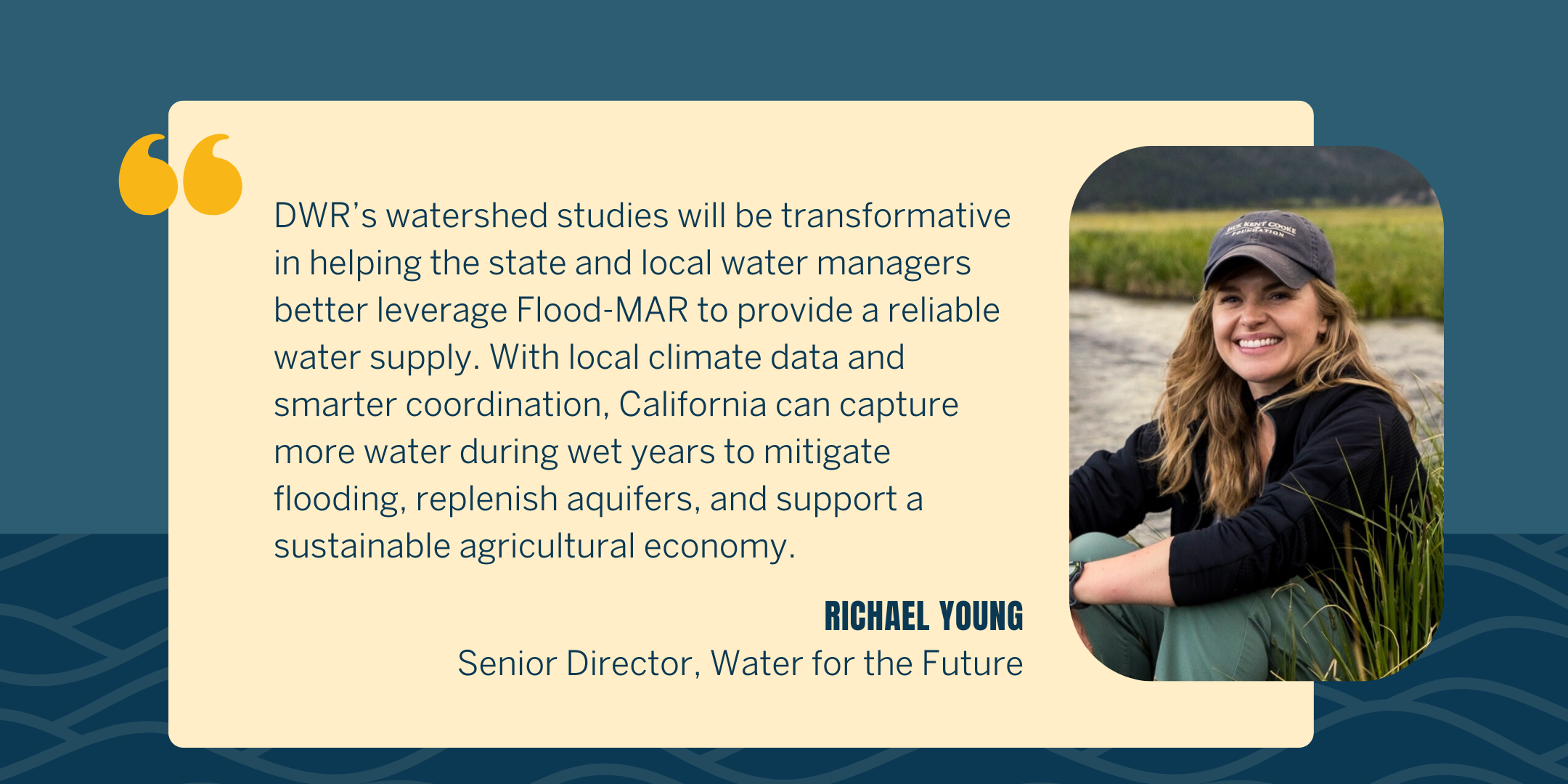
Flood-MAR moves excess stormwater onto landscapes or agricultural fields during high-flow events and floods. Strategically diverting high flows can reduce flood risk while allowing water to percolate into the aquifers that provide as much as 60% of California’s water supply in drought years. The watershed studies released this winter offer regional-scale information on hydrology, infrastructure, and recharge potential so local partners can better coordinate diversions, improve public safety, and enhance long-term water supply reliability.
Why These Studies Matter Now
The San Joaquin Valley is home to many of California’s most critically overdrafted groundwater basins, where declining water levels, dry wells, and nitrate contamination place significant burdens on households, farms, and ecosystems. By focusing on the San Joaquin River Basin, the studies provide urgently needed insight into how wet-year flows can be used to support communities and stabilize groundwater conditions. This research will give experts a clearer understanding of where, when, and how the state can prepare diversions and move water to both reduce flood risk and replenish depleted aquifers.
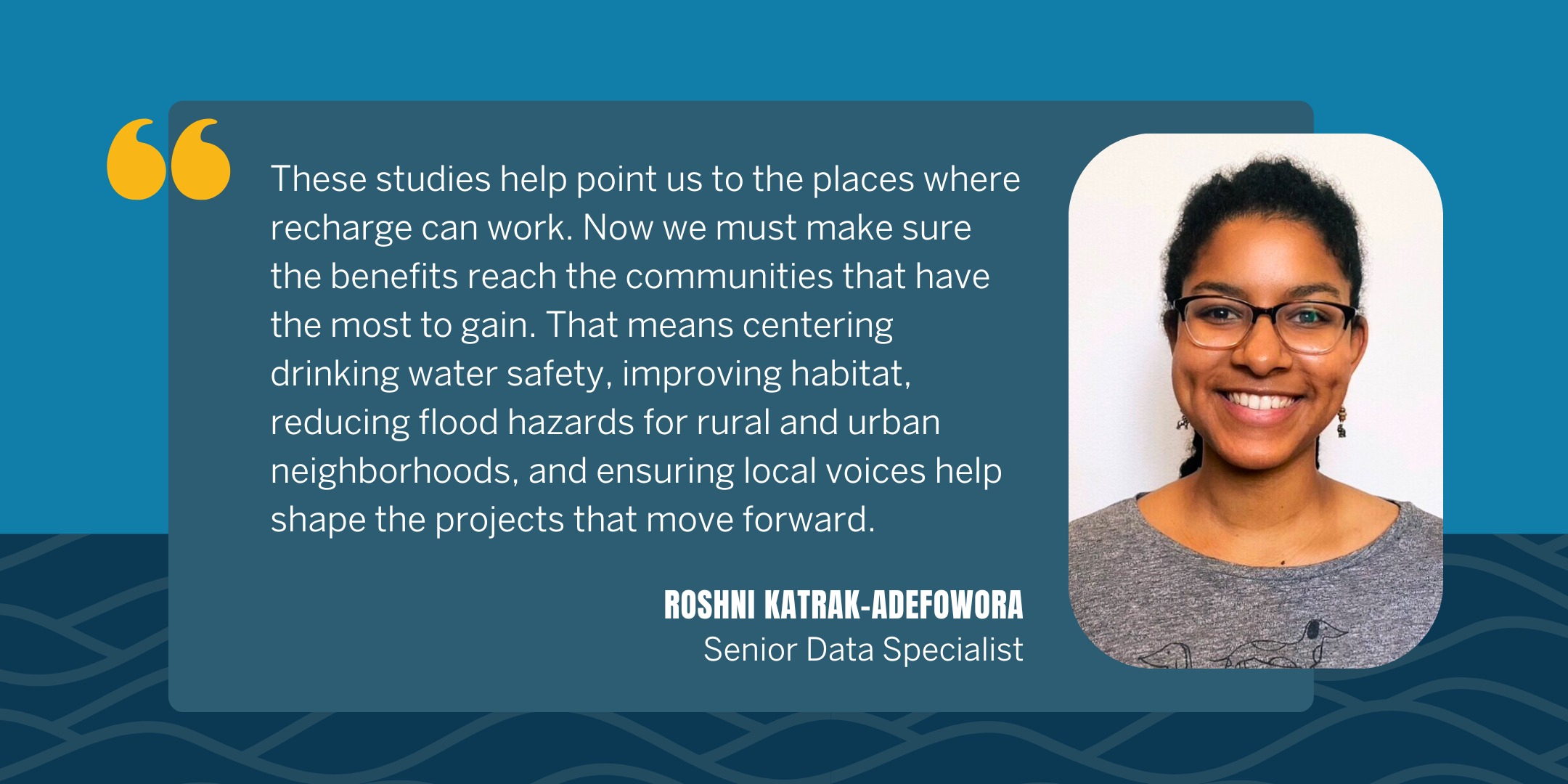
Sustainable Conservation anticipates that the studies on the five watersheds along the San Joaquin River will unlock the ability for the organization and its partners in water management, agriculture, conservation, and community advocacy to further recharge projects and diversion plans that prioritize community and ecosystem protection, especially in regions already burdened by groundwater overdraft.
Roadmap for Collaborative Action
The complexity of our state’s watersheds and groundwater systems demanded a large effort by many organizations, agencies, and individuals to deliver these insights. Sustainable Conservation would like to thank DWR, Earth Genome, Woodard & Curran, Environmental Science Associates, MBK Engineers, cbec eco engineering, and the regional irrigation districts for their efforts in taking the collective understanding of the San Joaquin River watersheds one step closer to climate-resilient water management.
Sustainable Conservation welcomes contact from anyone, regardless of expertise, seeking information or support in exploring recharge opportunities. Reporters are encouraged to reach out for sources, background information, or educational media on groundwater recharge, Flood-MAR, and climate-resilient water strategies.
The collaborative work behind these studies reflects the type of coordinated region-specific planning needed to advance climate-adaptive approaches throughout the San Joaquin River Basin.
About Sustainable Conservation
Sustainable Conservation advances the collaborative stewardship of California’s land, air, and water for the benefit of nature and people. The organization partners with agriculture, communities, agencies, and conservation leaders to steward water, restore ecosystems, and build a resilient future for all who call the state home.