From our blog: Water for the Future

Recharge and Beyond: A New Viewer for Multibenefit Land Repurposing

With California’s landmark groundwater regulations coming into effect, pumping groundwater to irrigate agriculture at its current acreage is unsustainable in some regions. Without alternatives, land managers might be left with idling their land as the most affordable option, but this can contribute to dust, pollution, weeds, pests, and other negative impacts for neighboring farms and nearby communities — all while providing no earning potential.

Soil Health Meets Recharge: Lessons from the Field

Cover crops are a known practice in California agriculture for reducing water runoff, increasing the amount of water that can infiltrate and stay in the soil, improving biodiversity, limiting groundwater pollution, and supporting better air quality, among other benefits. But under the Sustainable Groundwater Management Act (SGMA), concerns persist about whether cover crops “count against” growers’ limited water budgets and begs the question, is cover cropping worth the risk?

DWR Releases San Joaquin River Watershed Studies to Inform Recharge in the Region

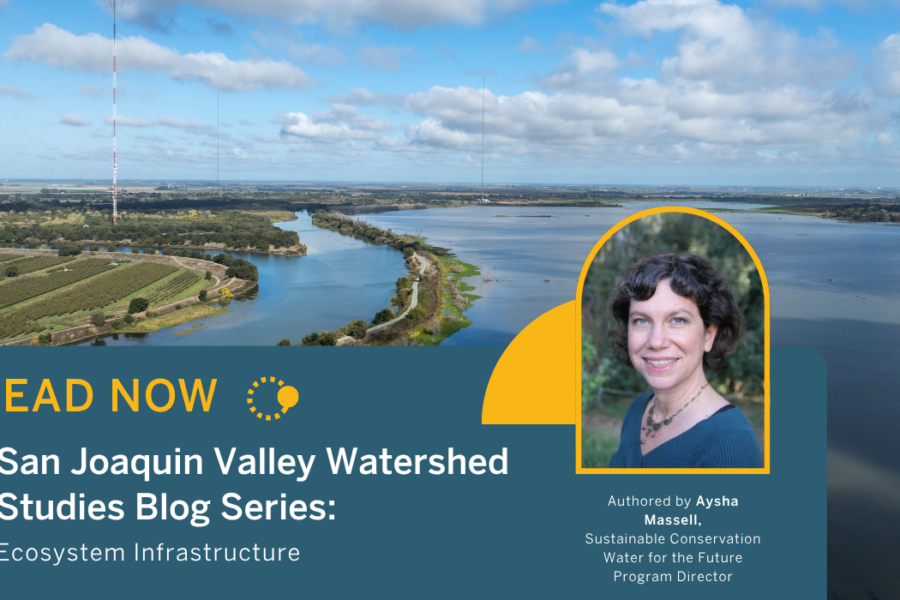
The watershed studies released this winter offer regional-scale information on hydrology, infrastructure, and recharge potential so local partners can better coordinate diversions, improve public safety, and enhance long-term water supply reliability.

From Concept to Practice: Reflections on the 2025 Flood-MAR Network Forum

On November 5-6, 2025, over 120 water professionals, researchers, farmers, and agency representatives gathered for the Flood-MAR Network’s biennial forum. The energy in the room told a story years in the making: flood-managed aquifer recharge (Flood-MAR) is gaining widespread adoption across California. Mike Antos (Stantec) opened the forum with a quote from Charles F. Brannan,…

Notes from the Field: Central Valley Climate Resilience Tour

On October 14th, more than 30 Sustainable Conservation community members, donors, Board members, and staff piled into a tour bus for a jam-packed day of sightseeing cutting-edge climate resilience projects throughout the Central Valley.

Improving Recharge Outcomes and Soil Health: Combining Cover Cropping and On-Farm Recharge in California Pistachio Orchards

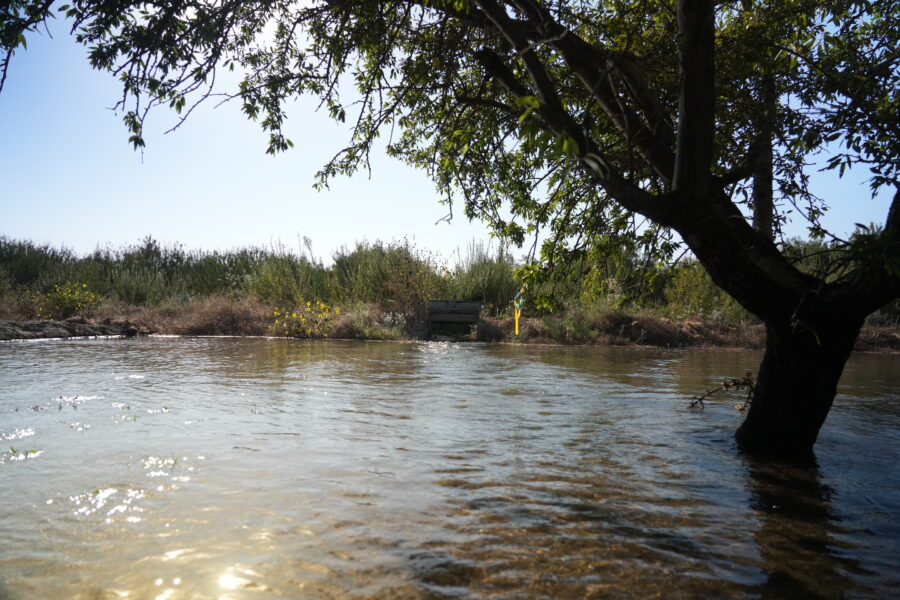
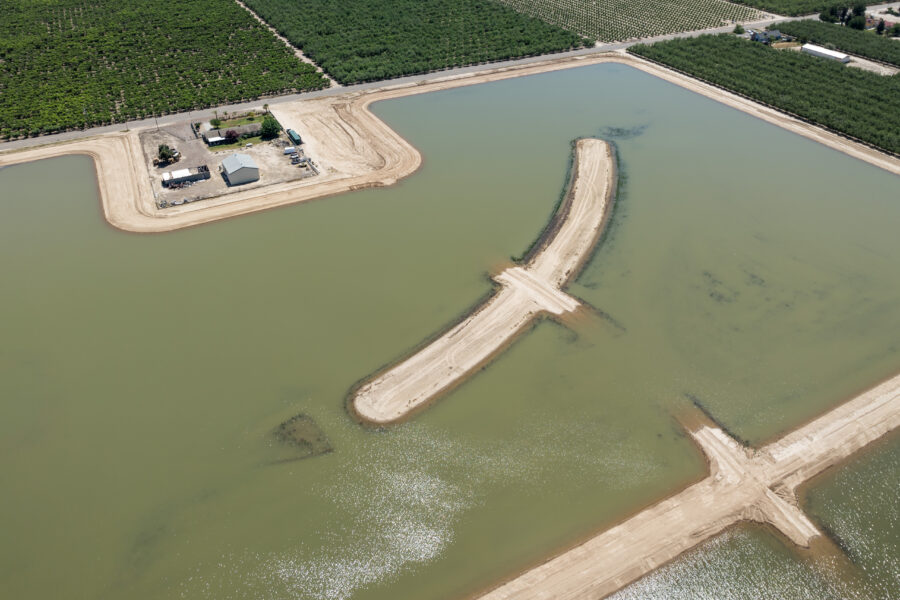
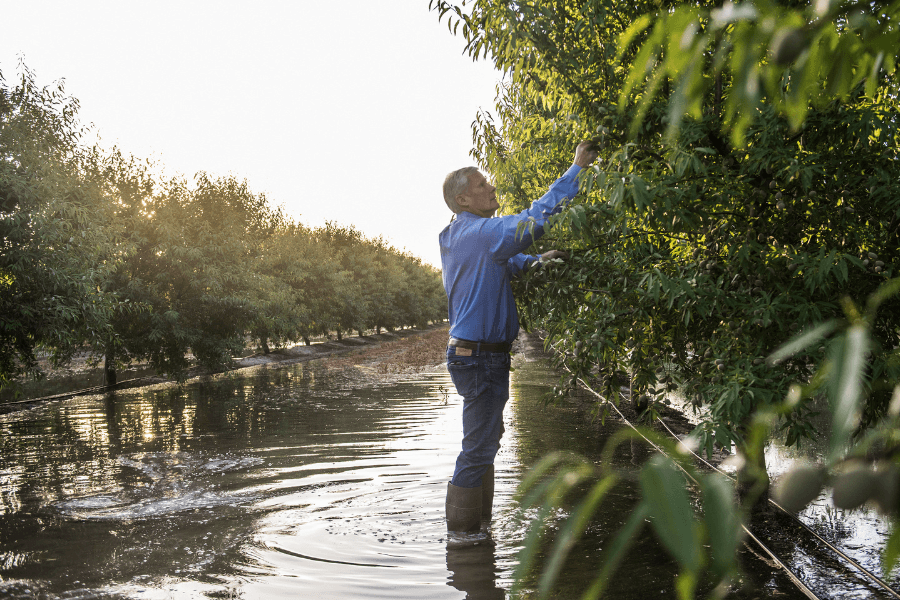
What if we could make OFR even better? What if we could enhance water infiltration, reduce nutrient leaching, and improve soil health all at the same time? That’s exactly what we’re exploring through this Specialty Crop Block Grant Program project combining cover cropping with on-farm recharge in California pistachio orchards.

Building Climate Resilience in California’s Central Valley: How Watershed Modeling has Recharged Planning

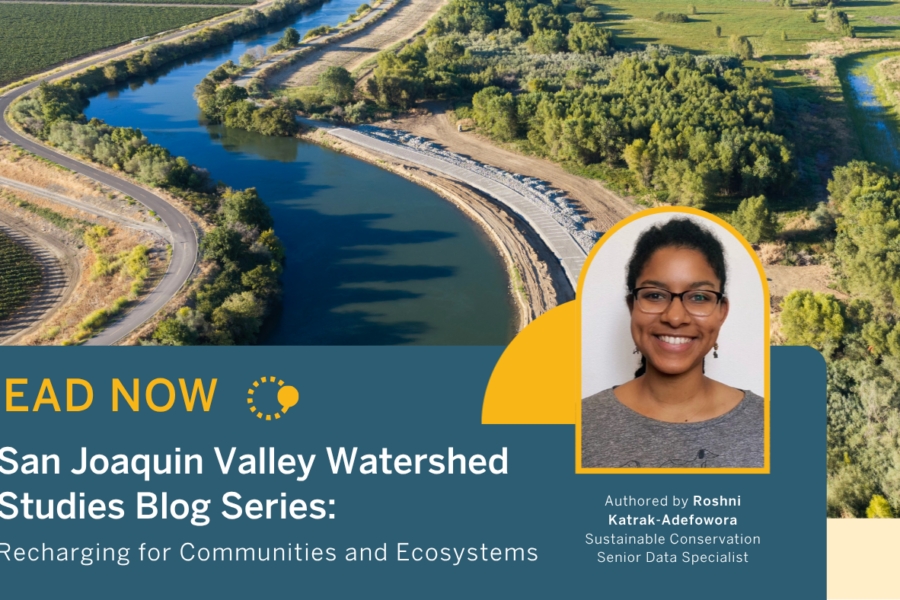
The Merced study represents a shift toward integrated, climate-smart water management in California. It’s about connecting local projects with regional strategies, blending green infrastructure with grey infrastructure, and preparing for a future where flexibility and foresight are essential.

How Executive Order N-16-25 Enables Recharge During Floods

The Newsom Administration has taken an important step toward improving California’s flood safety and water resilience by issuing Executive Order (EO) N-16-25, which waives the requirement for local planning documents to include flood threshold definitions that indicate when groundwater recharge diversions can occur. This temporary waiver allows recharge diversion efforts to begin when local agencies…