Late last year, Sustainable Conservation and partners at Earth Genome, Blue Raster, East Turlock Subbasin Groundwater Sustainability Agency, EKI Environment & Water, and Formation Environmental released a web-based viewer for growers to explore Multibenefit Land Repurposing Program (MLRP) opportunities in the East Turlock Subbasin.
MLRP, which is funded by the California Department of Conservation, provides financial incentives for landowners to transition agricultural land to alternative uses that reduce reliance on groundwater while delivering broader public benefits, such as improved water supply reliability, habitat restoration, climate resilience, and community health.
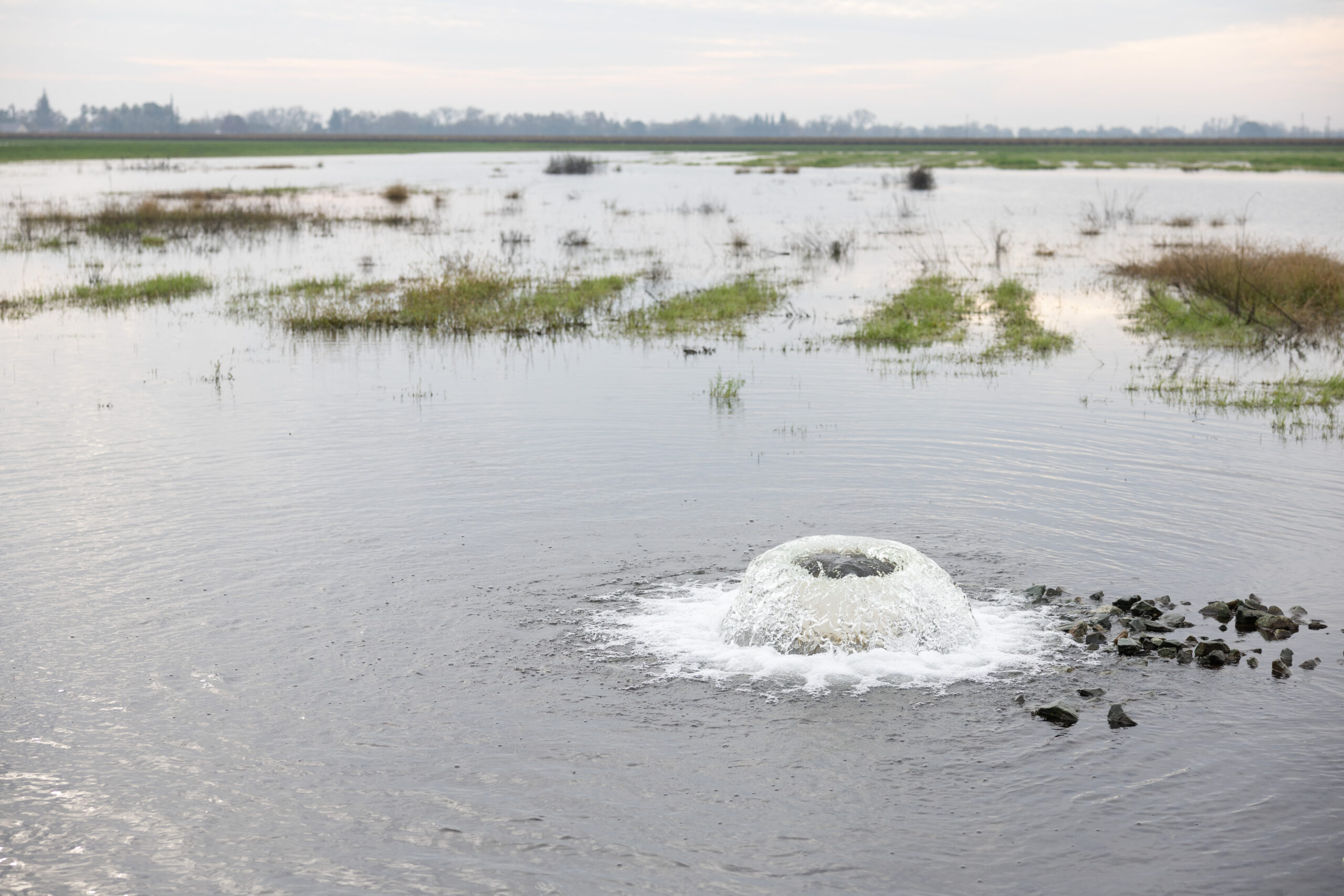
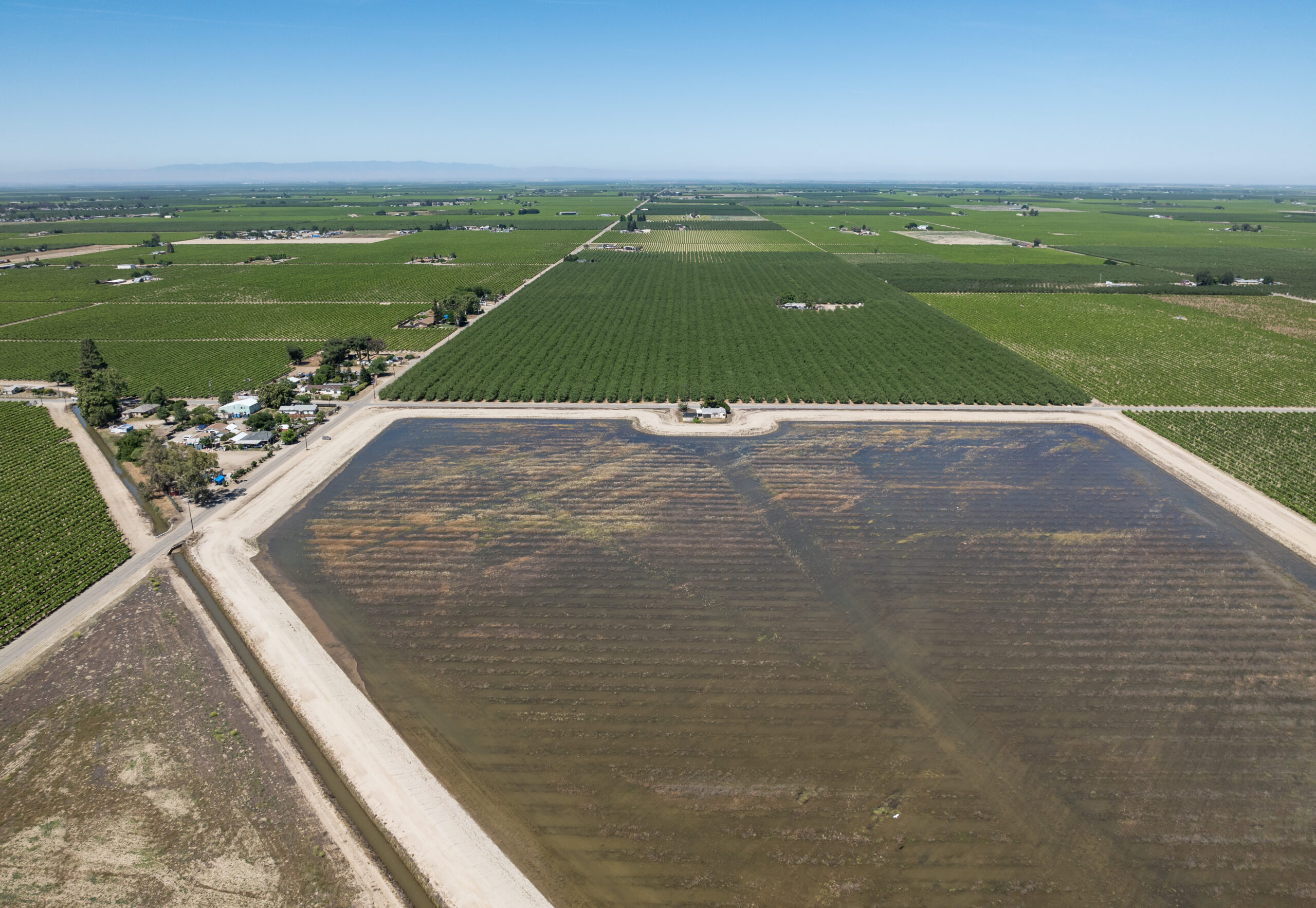
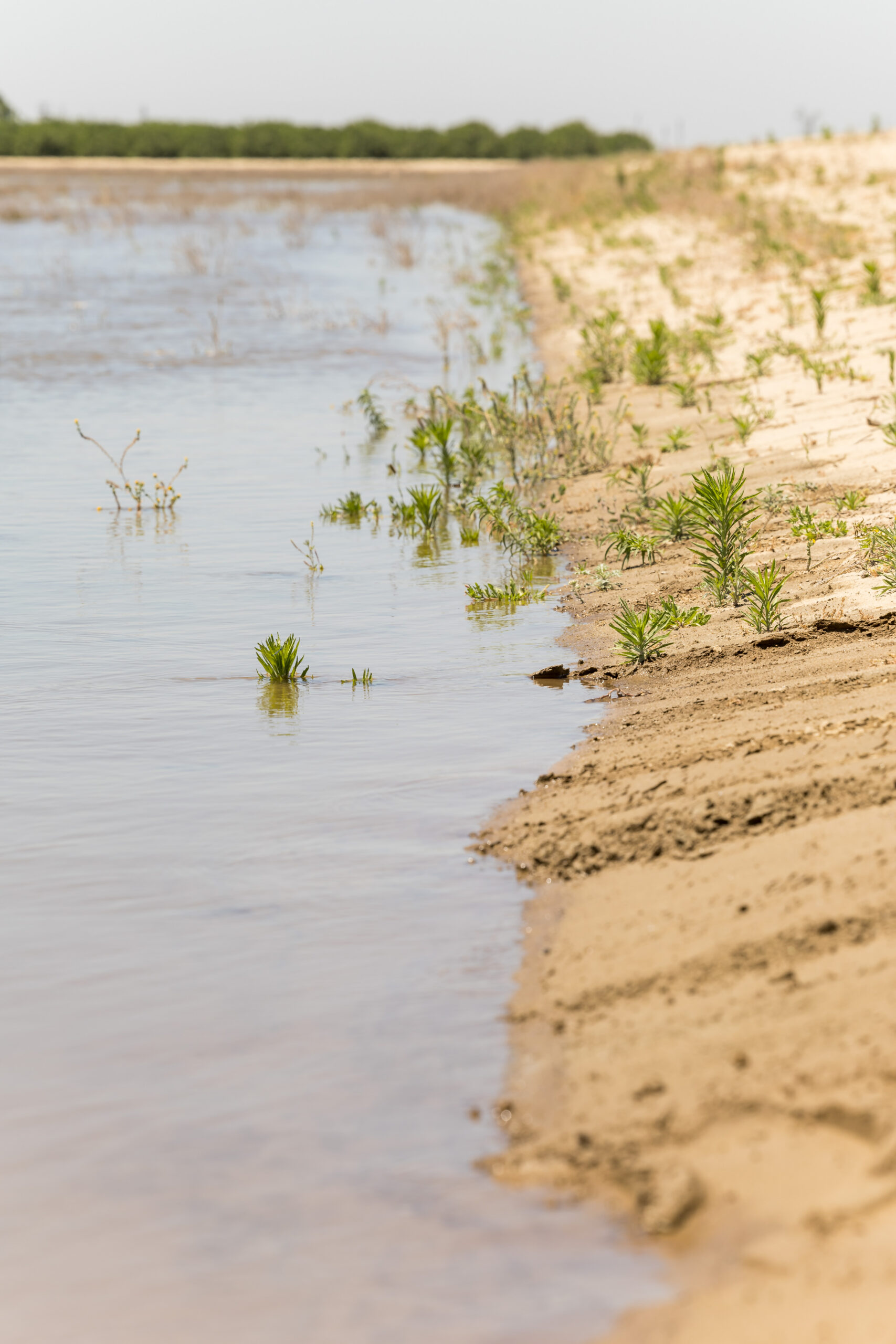
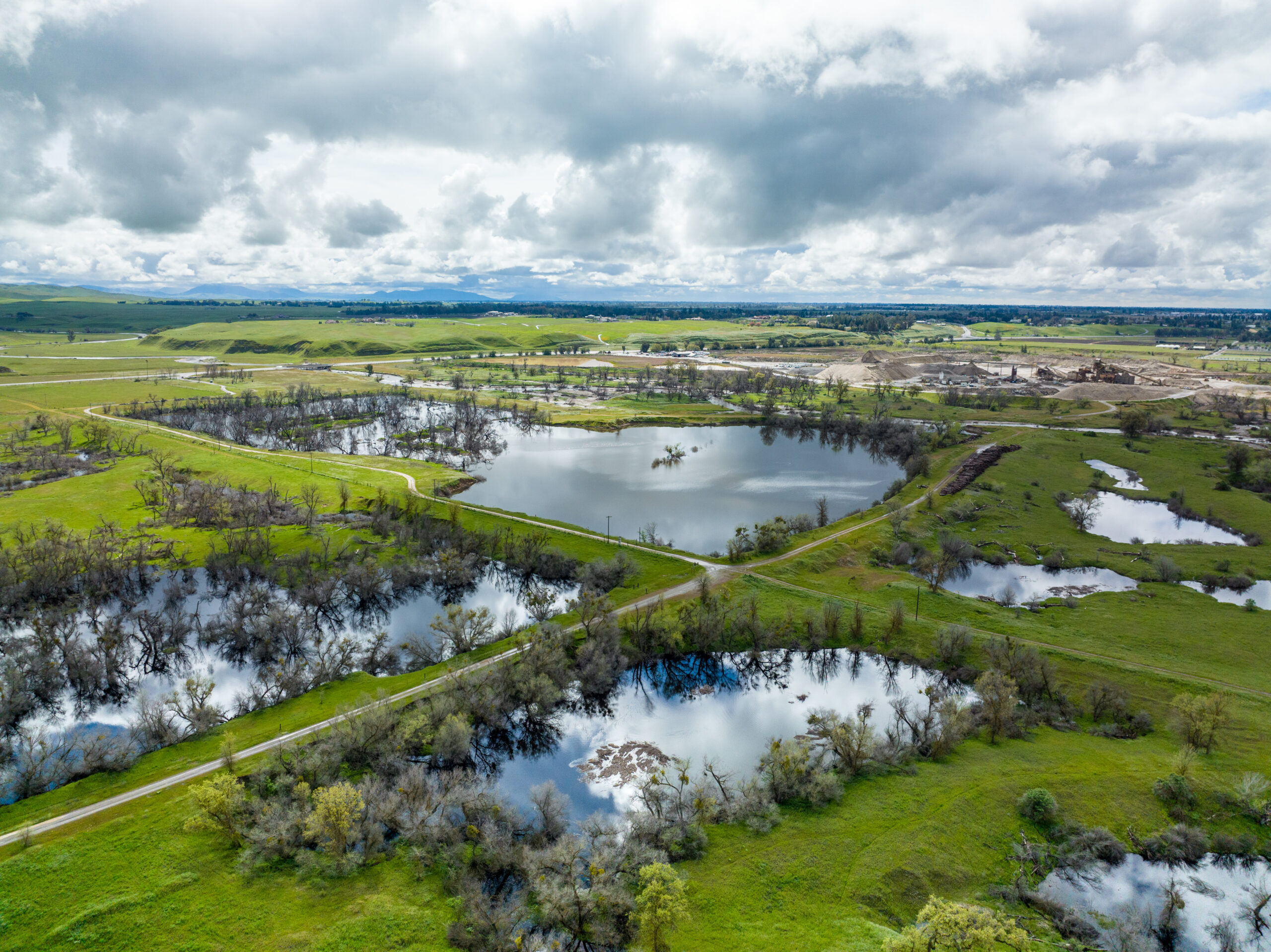
Photos of groundwater recharge basins courtesy of California Department of Water Resources
Why Land Repurposing is Being Incentivized
With California’s landmark groundwater regulations coming into effect, pumping groundwater to irrigate agriculture at its current acreage is unsustainable in some regions. Without alternatives, land managers might be left with idling their land as the most affordable option, but this can contribute to dust, pollution, weeds, pests, and other negative impacts for neighboring farms and nearby communities — all while providing no earning potential.
MLRP helps prevent those outcomes by pairing land repurposing with incentive payments that make alternative land uses financially viable for growers, while also delivering shared benefits. For growers facing groundwater pumping restrictions or diminishing water availability, MLRP offers an opportunity to test out other productive uses of the land while bringing positive externalities to their communities.
While developed specifically for the East Turlock Subbasin, this web viewer can inform future MLRP efforts across California and support broader conversations about sustainable agriculture in a water-constrained future.
Recharge and Beyond
For over a decade, Sustainable Conservation has worked to test and scale groundwater recharge as a multibenefit solution for mitigating the increasing volatility of California’s water supply. MLRP is a particularly exciting avenue that can increase the Central Valley’s capacity for groundwater recharge, while maintaining the economic viability of agriculture that is integral to the region’s, and country’s, economy and food supply.
What is groundwater recharge?
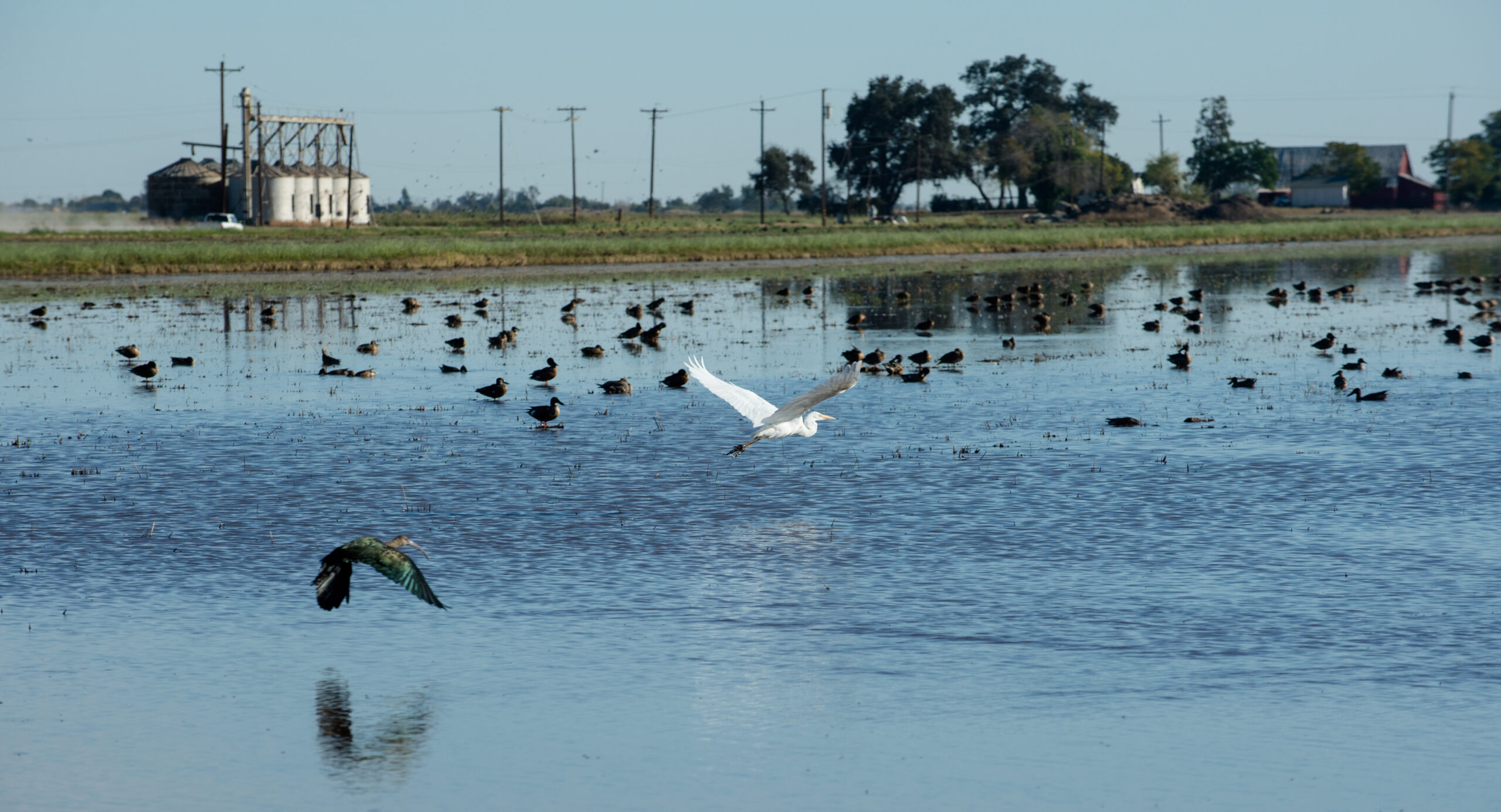
Groundwater recharge occurs naturally when excess water spreads across a landscape and infiltrates through the soil into the aquifer below. It can be facilitated by diverting water from a conveyance system onto a floodplain, agricultural field, or elsewhere with porous soil. This practice is among the most cost-effective and scalable strategies to increase the resilience of groundwater aquifer supplies, while protecting communities from flooding.
The concept of generating multiple benefits through land repurposing is compelling, but also not straightforward for landowners and growers. The MLRP Viewer is intended to demystify and unlock the potential benefits that each piece of land can uniquely create for its neighbors and community, its watershed, and ecosystem. We are part of a broader system and tools like the MLRP Viewer help make those connections and improve the efficacy of state funding opportunities like MLRP. Richael Young, Sustainable Conservation Senior Director, Water for the Future
Photos courtesy of California Department of Water Resources
However, not every parcel of working land is a good candidate for groundwater recharge. The MLRP Viewer allows growers in the subbasin to explore other land ‑repurposing options that may be better suited to their specific fields, such as native habitat restoration or extended land rest practices. These options can still reduce the amount of groundwater that is pumped out of aquifers each year, while providing critical ecosystem functions or public health and quality of life improvements for adjacent communities.
We’re excited to see how many recharge projects MLRP will fund. But even if a field is not suitable for recharge, there are several promising land repurposing options that can have profound effects on community and ecosystem health, all while contributing to groundwater sustainability and thriving agriculture. Roshni Katrak-Adefowora, Sustainable Conservation Senior Data Specialist
East Turlock applications for MLRP are due February 28th, so we encourage all interested growers in the region to check out the tool to explore what land repurposing opportunities may be available to them. The Sustainable Conservation Water for the Future team is excited to see the lessons learned and progress made from strategic, incentivized, multibenefit land repurposing and uncover new connections between conserving land, water resources, business, community, and nature.
Explore the MLRP Viewer for the East Turlock Subbasin, or learn more about the region’s MLRP program here.