
Sustainable Conservation’s Accelerating Restoration team was interested to hear perspectives from experts, project proponents, and funders throughout California on funding mechanisms for habitat restoration and what else could be done to create a stable, adequate funding system. Interviewees were asked about their experience navigating California’s funding system, their ideas surrounding how to create more sustainable funding, and their general perspectives on commonly used funding mechanisms in the state.
Streamlined, cost-effective habitat restoration is integral to California achieving its ambitious climate resiliency goals and the state’s pledge to conserve 30% of terrestrial and marine habitat by 2030. Funding, permitting, and completing a habitat restoration project can be technically challenging, expensive, and time-consuming. Robust and continued fiscal investment in habitat restoration benefits the state as a whole – supporting climate resiliency, a thriving restoration economy, and an increased connection between California’s communities and their local environments. Despite California’s environmental leadership and prior investment, habitat restoration still lacks a steady, sustainable funding stream. The lack of sufficient funding, combined with structural inefficiencies in the current funding mechanisms, acts as a significant barrier to meeting state goals.
The paper I produced primarily focuses on funding for voluntary habitat restoration, which comes from a variety of different financial mechanisms – mainly using local taxes or fees, statewide bonds, philanthropy, and private finance to support projects. Each funding mechanism is unique, with specific limitations and benefits. This is not an exhaustive list, but rather an overview of some of the primary mechanisms and only includes state and local level options. Federal funding mechanisms were not included in the research scope because Sustainable Conservation primarily operates within California and does not get closely involved in influencing federal funding for restoration.
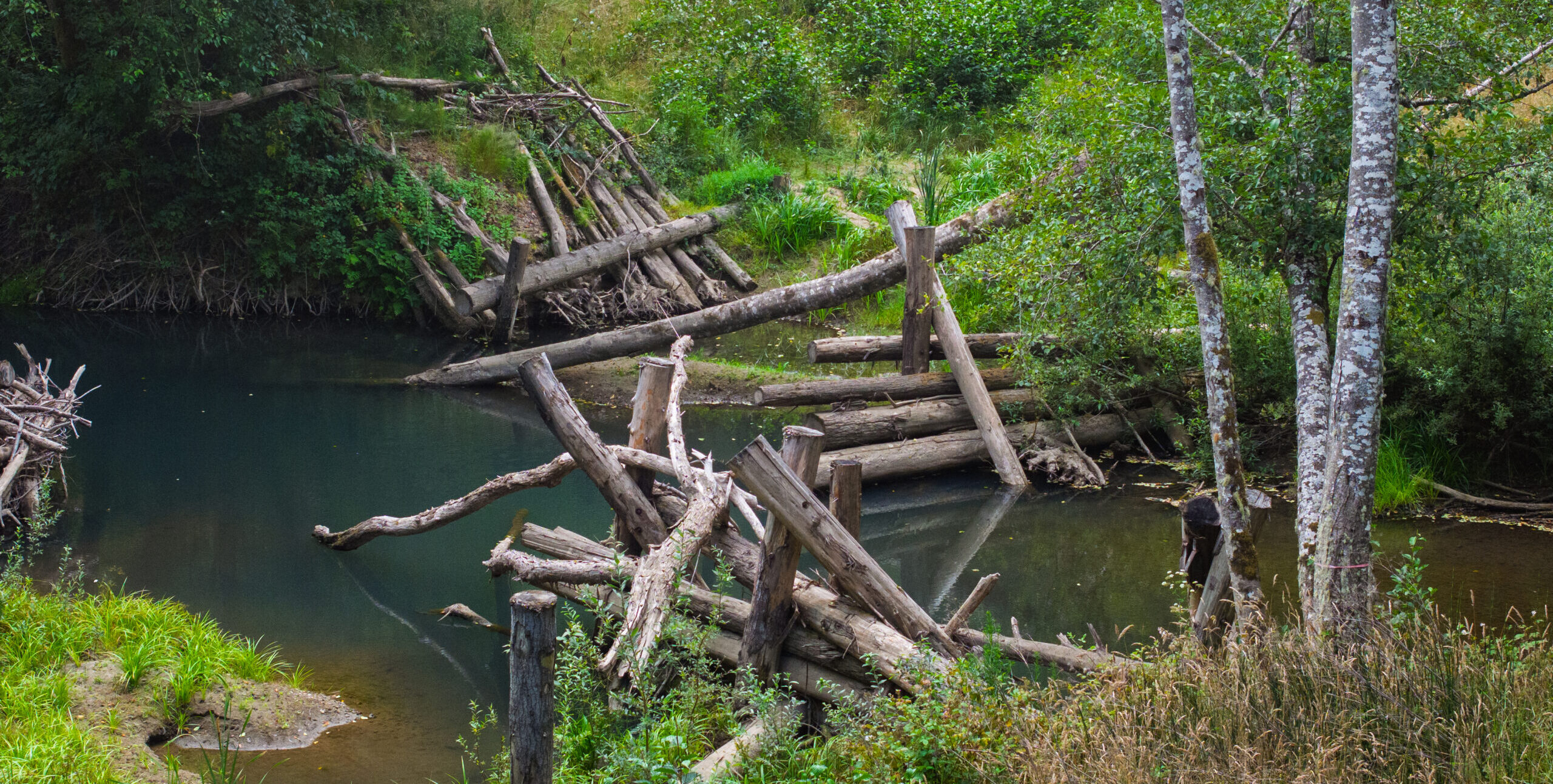
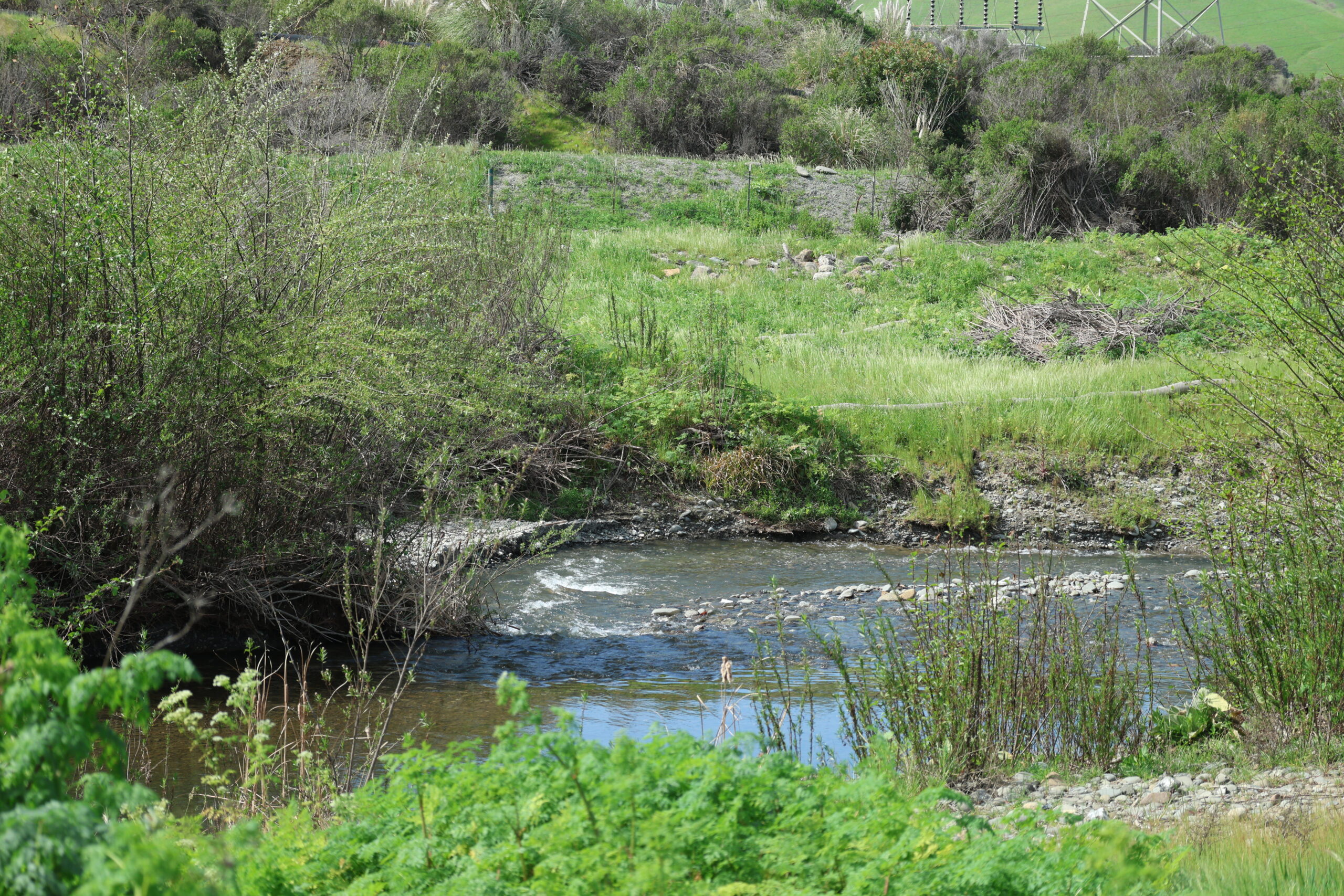

Riparian restoration sites
So, how does California fund habitat restoration? Below are some of the ways that habitat restoration can be funded. This list highlights some of the main fiscal pathways used within the state.
California funds habitat restoration in numerous ways:
- General obligation bonds are a primary funding source for restoration and natural resources
- County parcel or point-of-sale taxes, like Measure AA and Measure Q, have successfully created steady funding locally for restoration projects as well
- Private finance, philanthropy, and additional mechanisms like the Greenhouse Gas Reduction Fund, a fund established by California’s Cap and Invest program, contribute to restoration funding
My research scope also expanded out of California as I tried to understand where other countries and states have had success in creating a steady, dependable source of funding for restoration.
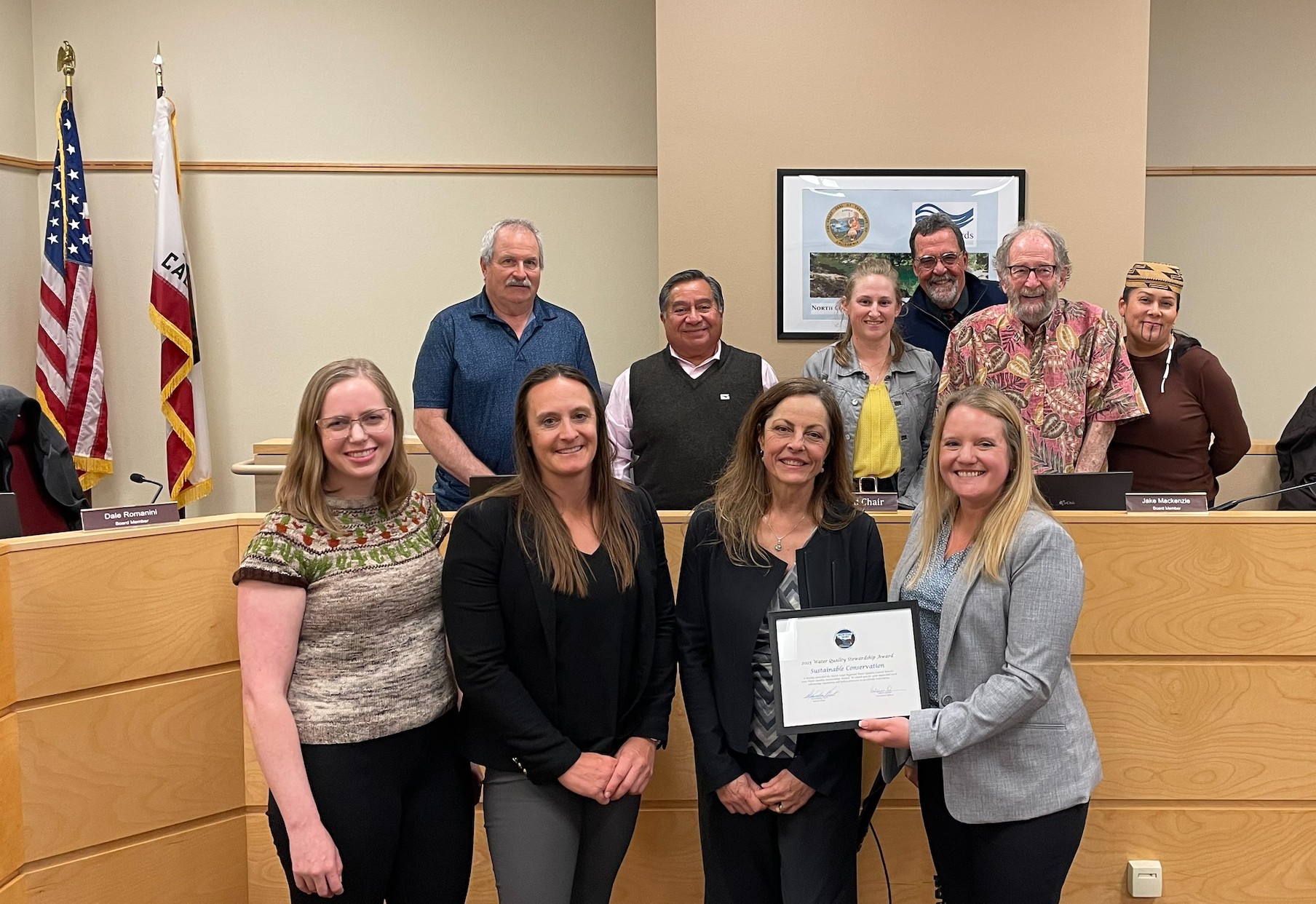
At the North Coast Regional Water Quality Control Board’s April 15th meeting, Sustainable Conservation’s Accelerating Restoration team was honored with the Executive Officer’s 2025 Water Quality Stewardship Award.
Outside of California:
- Hawai’i created a green tourist tax to fund climate resiliency efforts
- Oregon provides steady funding through the lottery fund, with 7.5% dedicated to restoration and watershed enhancement.
- Debt-for-Nature Swaps is an innovative fiscal strategy used to incentivize climate resiliency and restoration through debt relief for government commitments towards conservation and restoration
- Payments for Ecosystem Services incentivize local landowners to restore and protect their land through direct payments for sustainable land management practices
Interviewees varied in their ideas for potential solutions but generally agreed that there is a need for more stable, secure mechanisms to fund habitat restoration and related programs.
Key Interview Themes:
- The importance of building the restoration economy and broadening the restoration narrative. Often, restoration’s impact is only talked about in environmental terms, instead of highlighting the important impact it has on California’s economy and communities. Restoration can be a positive tool to improve public safety, and the restoration economy supports a just transition away from extractive industries and broadens communities involved in this work.
- There are several ways funding systems can be updated to reduce burden on agency staff, improve process efficiency, and accelerate restoration on the ground. Further use of advanced payments for grants, investment in a centralized online dashboard for grant and permit processes, and increased block grants are some ideas.
- A steady funding source outside of bonds is needed to meet California’s ambitious restoration and climate adaptation goals. Introducing an additional point-of-sale tax on plastic water bottles or carving out dedicated general funds for natural resources, instead of paying more bond interest, should be explored as a potential area for further exploration
- Funding mechanisms for habitat restoration are a complex topic and there is no simple solution. As the state continues to advance its climate resiliency and habitat restoration goals, investment in new funding mechanisms and innovations in the current grant and funding systems is necessary to ensure this work can get done.
As I finish my fellowship at Sustainable Conservation, I look forward to pursuing my master’s in environmental science and management at UC Santa Barbara’s Bren School this fall. Working on the Accelerating Restoration team at Sustainable Conservation has expanded my knowledge of California’s political and environmental landscape. Getting the opportunity to learn from experts in the field about what it takes to achieve California’s restoration goals has been truly rewarding. I am excited to apply this knowledge to my graduate environmental policy work!