
California is facing a potential El Niño year, which may mean that large amounts of surface water could be available for recharge.
Distributing water across the landscape for groundwater recharge benefits the groundwater basin and helps reduce downstream flood risks. The State of California has promoted the practice of on-farm recharge by making it easier for landowners to access floodflows for recharge without a water right under Water Code 1242.1. I-FIRM strategies studied in the San Joaquin Basin Watershed Studies, which would release reservoir water ahead of predicted atmospheric rivers and deliver that water to land suitable for recharge, present a great opportunity to maximize benefits to aquifer storage and partially offset climate change impacts to the water cycle in California.
Getting water on the landscape requires complex partnerships between water managers, delivery systems, and private landowners. Landowners are often willing to accept water and infiltrate it on their property, but these projects represent a cost to their operation with no corresponding benefit to farm profits. For that reason, incentives for private landowners are often needed to help them prepare lands, manage recharge water applications during times when it’s available, and monitor results. Incentive programs can help GSAs or water districts implement recharge on a larger scale, using existing infrastructure and without costly capital investments to build giant infiltration basins.
“Groundwater Recharge Incentives and Strategies“ explores how GSAs are working with landowners across California to get water out on the landscape when it is available. These strategies are as diverse as California itself, and reflect factors like access to surface water for irrigation or direct recharge, whether a groundwater allocation and accounting system exists in the district, and funding sources available to the district. Drawing from the real-world experience of practitioners, this report describes opportunities to leverage and pitfalls to avoid when using various recharge incentives. It is intended to be used by other water districts and GSAs interested in identifying and customizing strategies best suited for their subbasins.
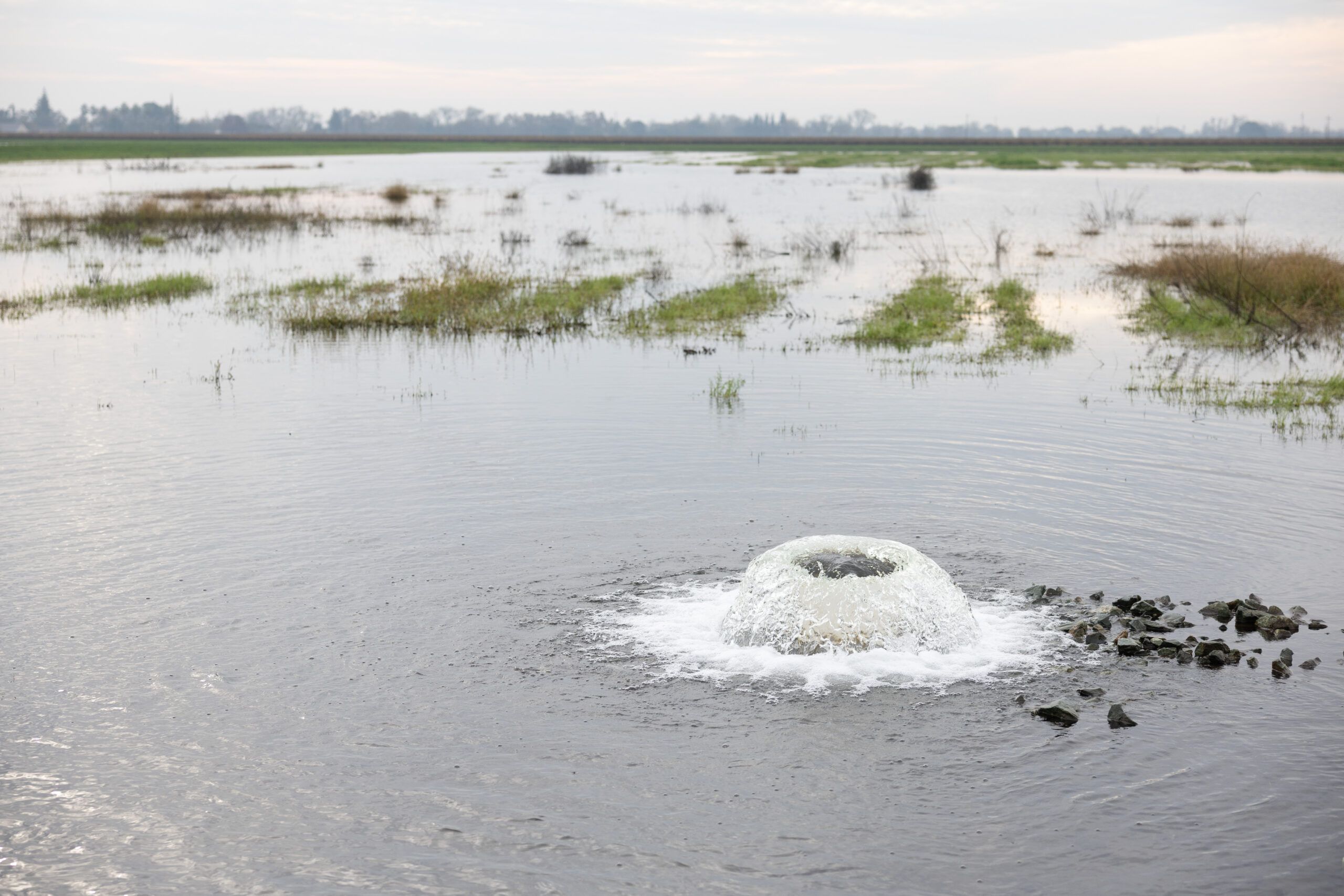
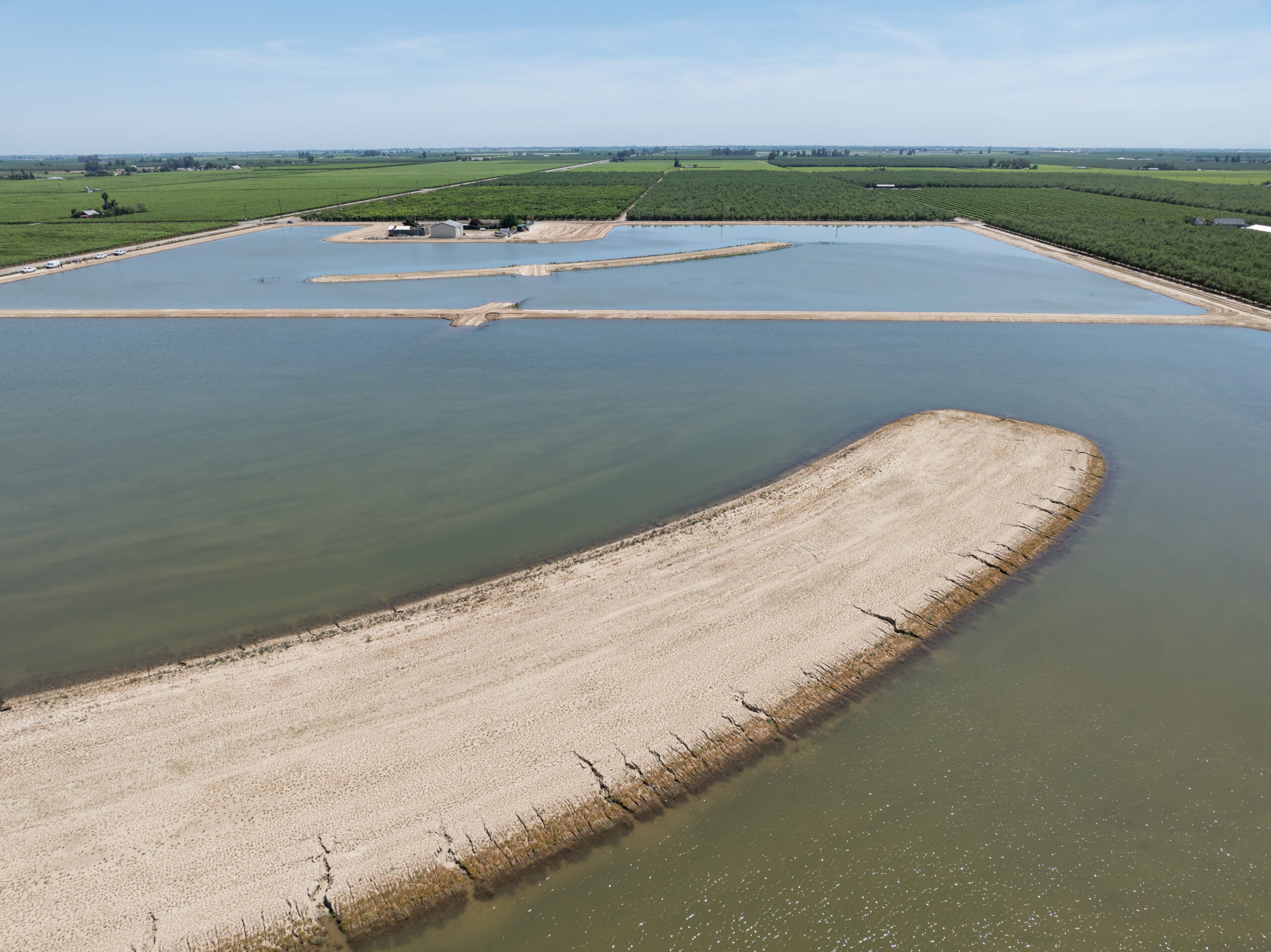
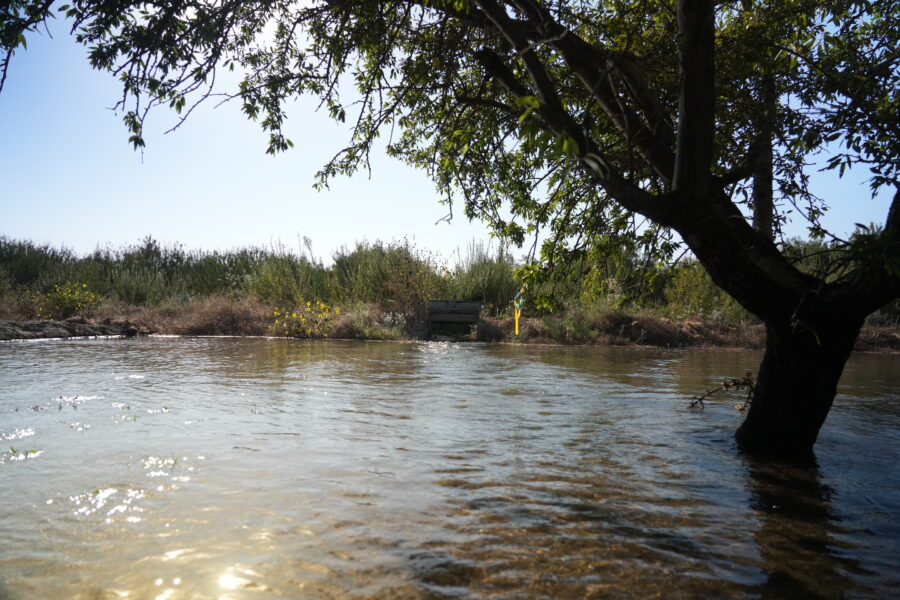
Photos of groundwater recharge, courtesy of DWR