
Authored by Sustainable Conservation Senior Data Specialist Roshni Katrak-Adefowora. Blog 3 of 4 in a series breaking down the DWR Watershed Studies.
What determines the best locations to conduct groundwater recharge? Physical site characteristics, such as the coarseness of the soil, are often the highest-priority criteria to maximize the amount of water that can be sent to a site. There are, however, additional considerations that can effectively target recharge sites with particular outcomes in mind.
One example in which targeted recharge can be beneficial is with disadvantaged communities. There are DACs throughout California where residents rely on shallow domestic wells for their drinking water, and many of those wells have gone dry due to declining groundwater levels. A considerable amount of work still needs to be done to fulfill the mandates of California’s Human Right to Water law, which was passed in 2012 and states that everyone has the right to safe, clean, affordable, and accessible water.
Many communities have residents who have already lost or are at risk of losing their access to drinking water. These communities cannot afford to see an unmitigated, climate change-fueled future come into effect.
As described in the first two blogs in this series, the California Department of Water Resources’ San Joaquin Basin Flood-MAR Watershed Studies predict further decreasing water levels due to climate change and unsustainable groundwater consumption for all five of the evaluated watersheds: Calaveras, Stanislaus, Tuolumne, Merced, and Upper San Joaquin. Conducting recharge in and around DACs is one way to help restore groundwater levels and improve residents’ water security. Both MAR-90/20 and I-FIRM climate adaptation strategies in the Watershed Studies improve conditions for DACs by targeting recharge for these communities and thereby decreasing groundwater overdraft underlying DACs.
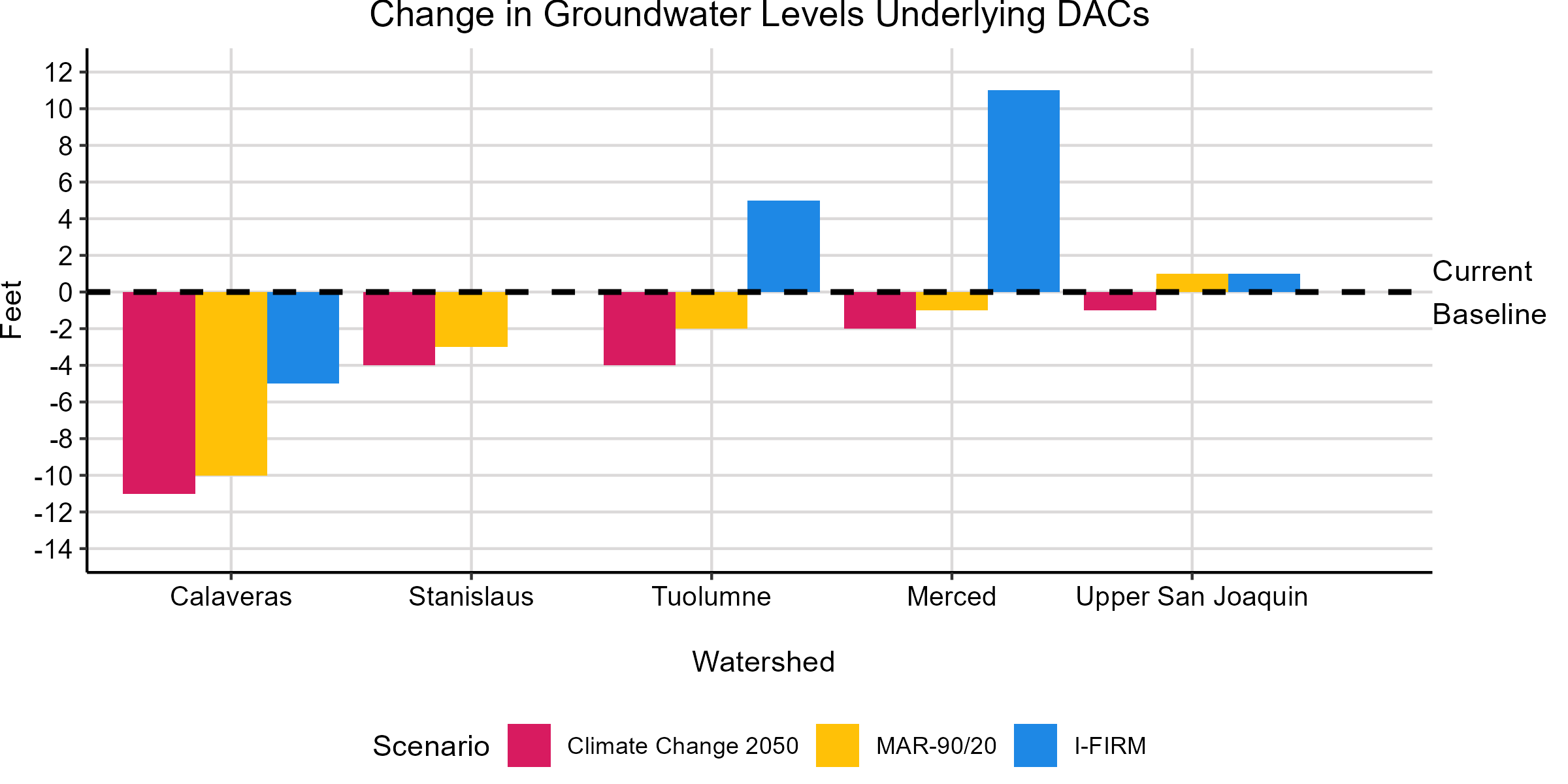
In the Watershed Studies, targeted recharge in and around DACs is just one example of Recharge Management Areas (RMAs), areas that were prioritized to receive recharge water to deliver specific benefits. The studies also targeted recharge in areas to benefit groundwater-dependent ecosystems (GDEs), another RMA in the Watershed Studies. GDEs, which are ecosystems that rely on groundwater for some or all their needs, maintain a broad community of plants and animals, and are crucial to supporting biodiversity in California.
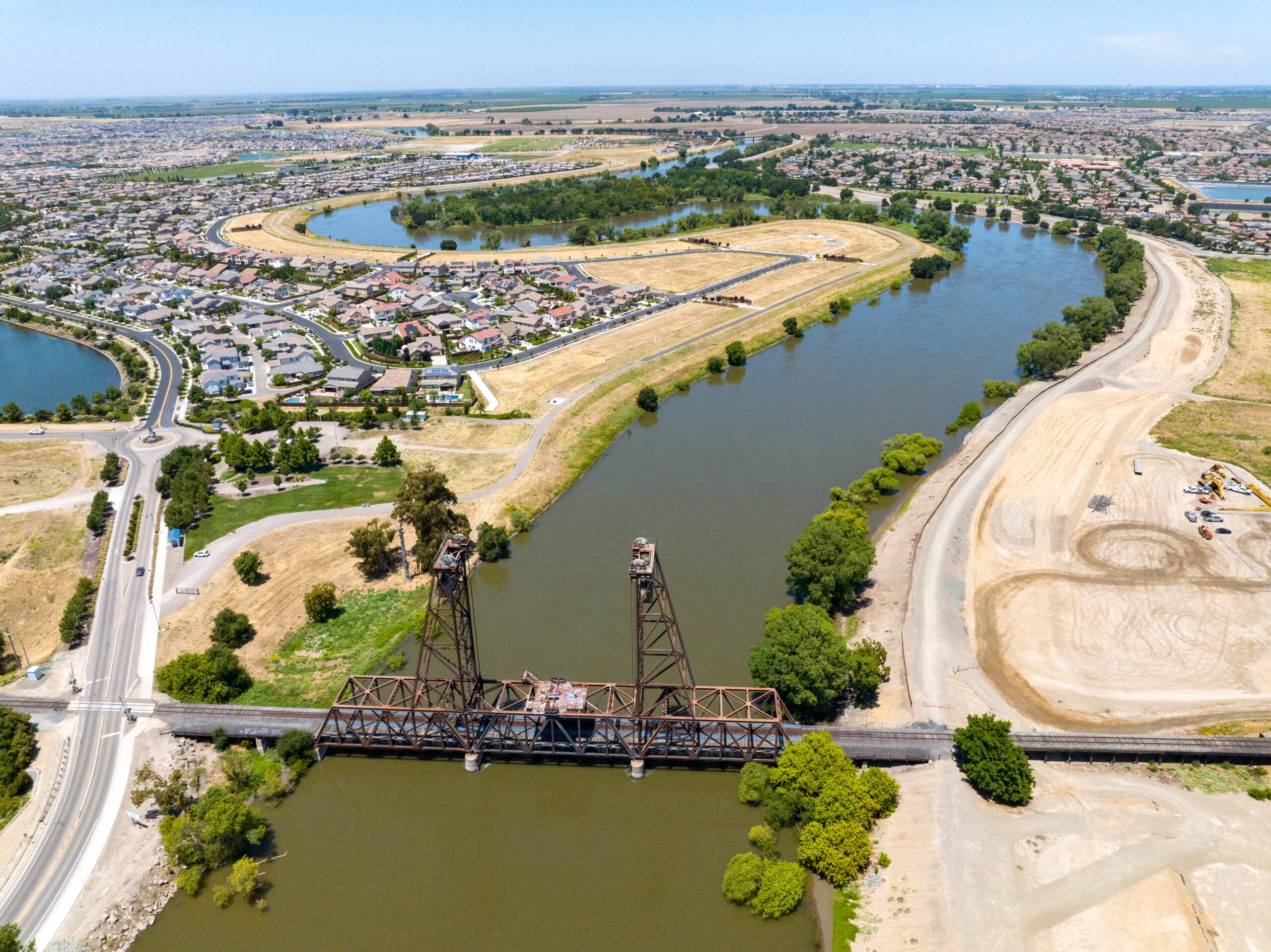
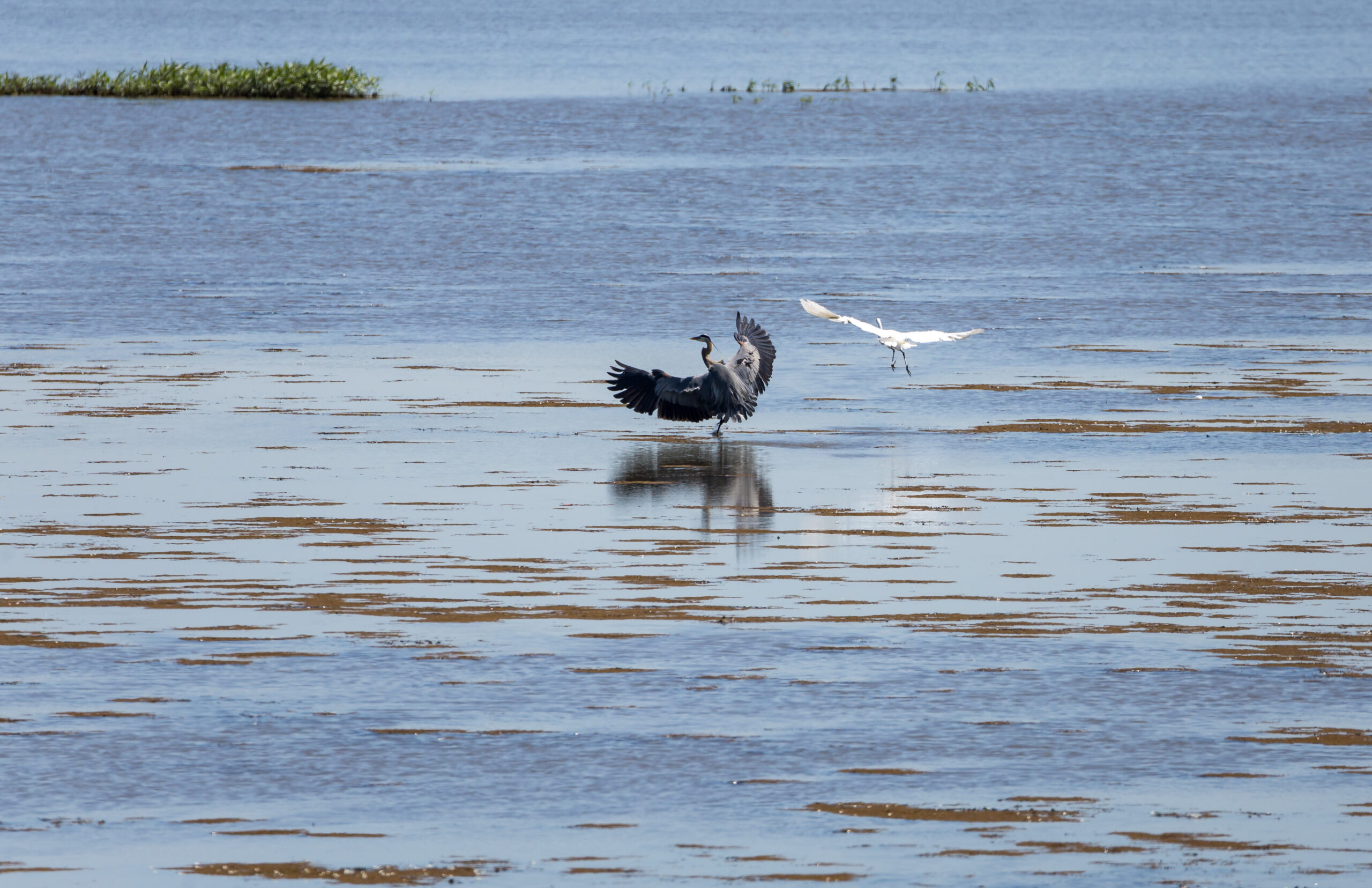
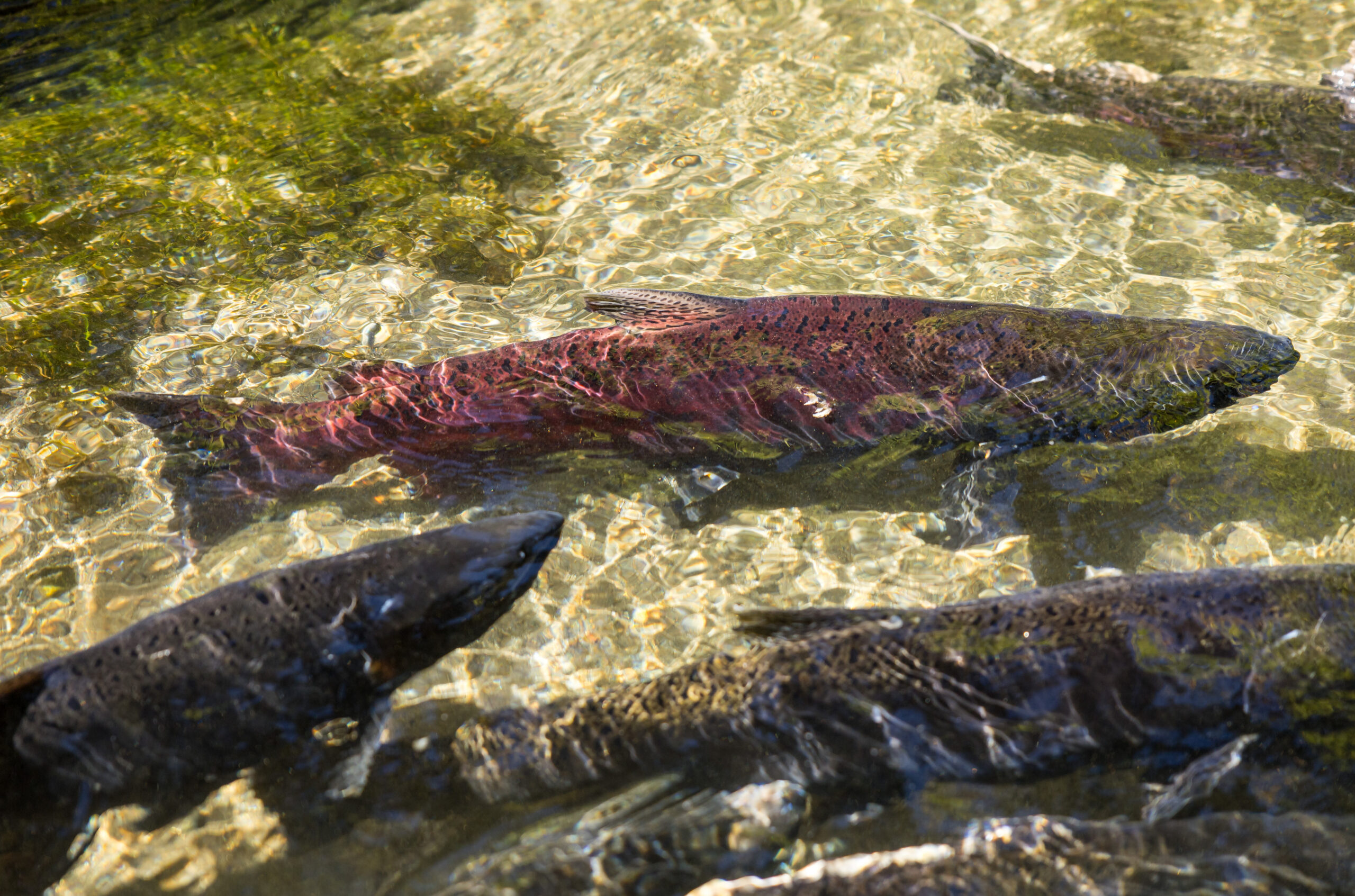
Top: High river flows on the San Joaquin River at the Mossdale Railroad Bridge in San Joaquin County; Bottom right: Fall-run Chinook salmon; Bottom left: Wildlife is seen at the McCormack-Williamson Tract Levee Modification and Habitat Restoration Project in Sacramento County. All photos courtesy of DWR
GDEs, like DACs, have already been greatly impacted by declining groundwater levels, with worse outcomes anticipated in some watersheds due to climate change. Across watersheds, MAR-90/20 and I-FIRM do not greatly improve conditions for GDEs. While this may not be a significant issue in watersheds where GDEs are doing relatively well, it is important to further assess these results in regions where conditions for GDEs are declining or are already dire (e.g., the Upper San Joaquin watershed).
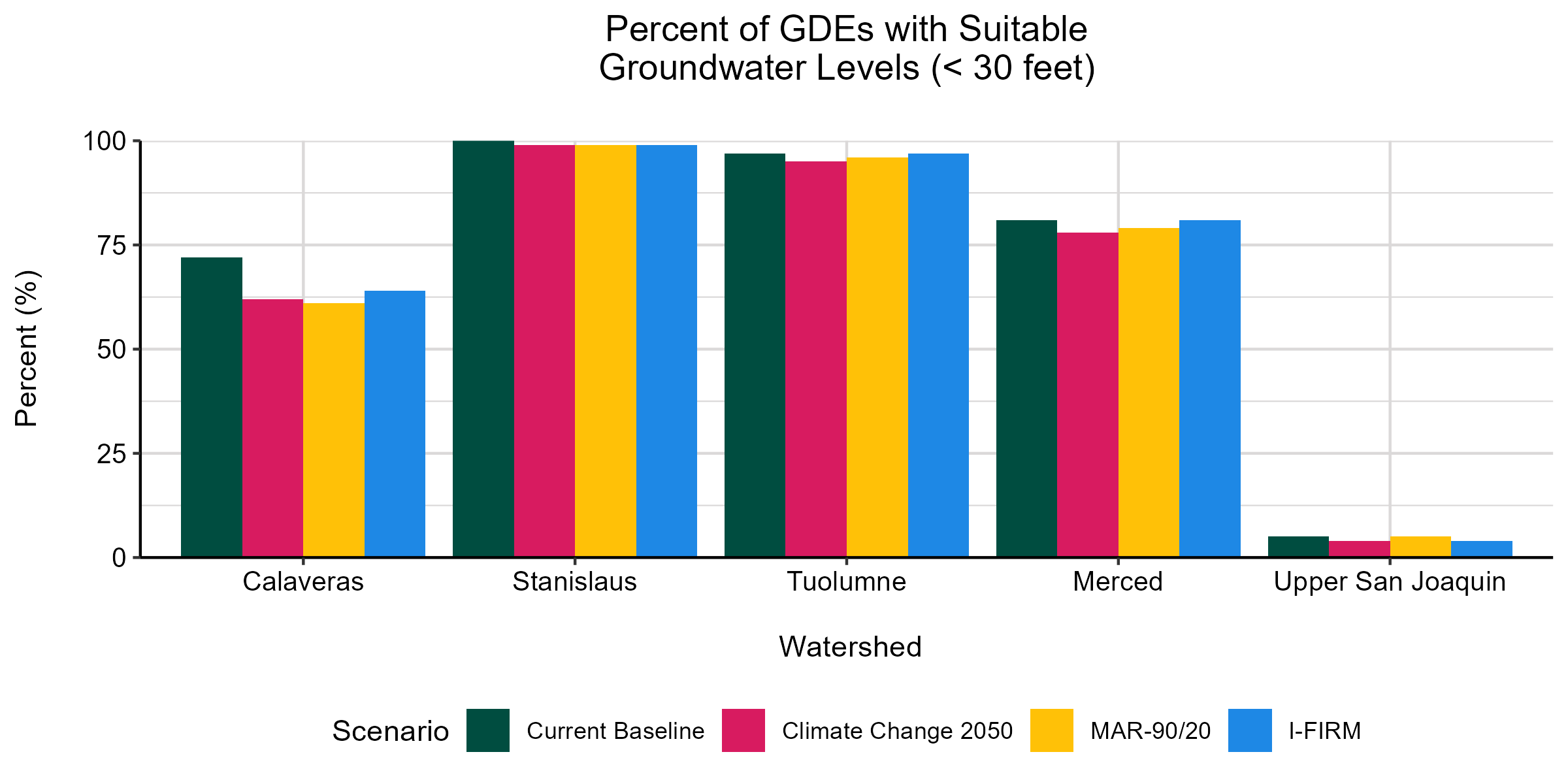
Possible explanations for the minimal impacts of MAR-90/20 and I-FIRM on GDEs, as well as potential alternative solutions, are outlined below:
- The Watershed Studies were not designed to optimize a particular objective, such as GDE health. Instead, the studies were designed to target benefits across a variety of RMAs, including GDEs, DACs, in-basin retention, and subsidence.
- Prioritization across the RMAs in I-FIRM was determined by local management objectives. For example, in the Upper San Joaquin watershed, local priorities focused on promoting benefits for DACs and in-basin retention; thus, in the model, those areas received recharge water first, before GDEs. As Sustainable Conservation and partner organization Earth Genome continue efforts to implement the Watershed Studies by working with water managers to develop local Groundwater Recharge Assessment Tools (GRATs) for them, we can continue to iterate on the RMA design to target recharge projects that will benefit DACs and/or GDEs.
- The water available for recharge in the climate adaptation strategies is not enough to completely offset large amounts of overdraft that have historically occurred and are continuing to occur. The studies focus on recharge, which is an important supply enhancement strategy for combatting groundwater overdraft. However, additional solutions such as transitioning agricultural land into alternative uses that require less water may be necessary to help the basin achieve groundwater sustainability.
Water managers can learn from the methods explored and described in the Watershed Studies and can then take them a step further to develop solutions based on local knowledge and priorities.
While these studies demonstrate the potential of strategically managed recharge to improve groundwater resilience, they also highlight where additional information and innovation is needed to better support DACs and GDEs in the most vulnerable watersheds. Sustainable Conservation is continuing to work alongside state agencies, researchers, and local partners to refine these approaches so groundwater recharge can deliver the greatest possible benefits for California’s communities, farms, and natural ecosystems.
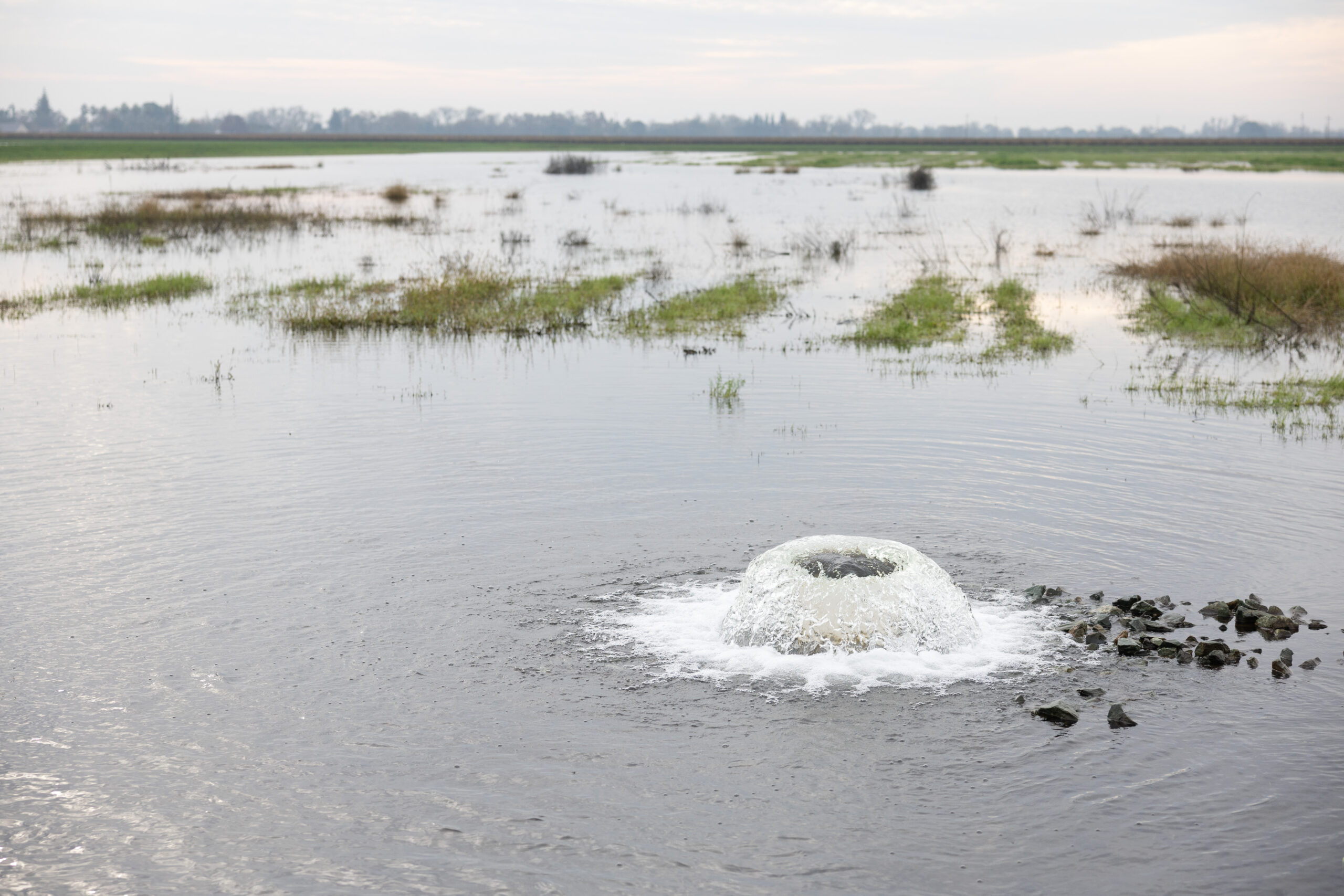
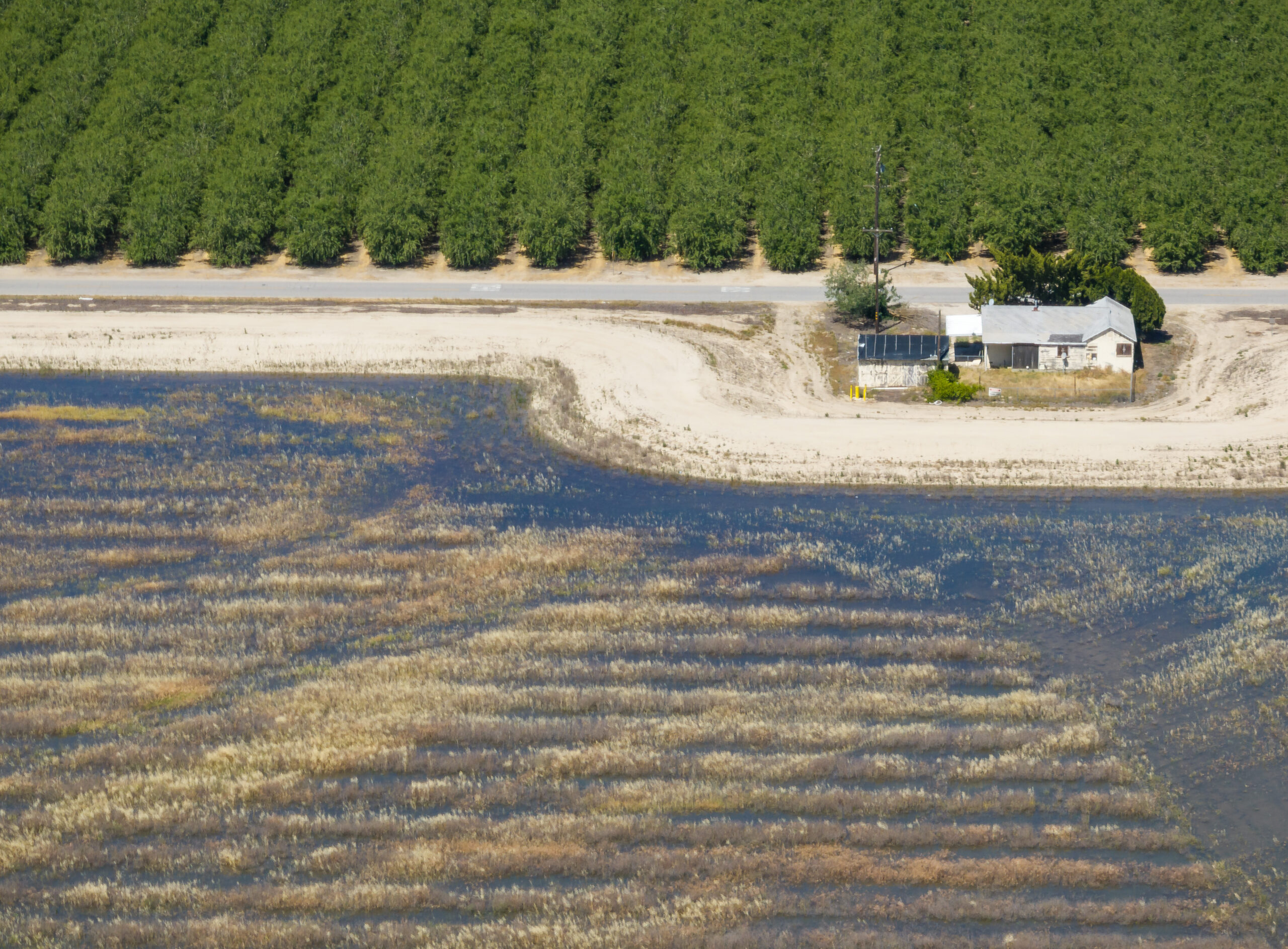
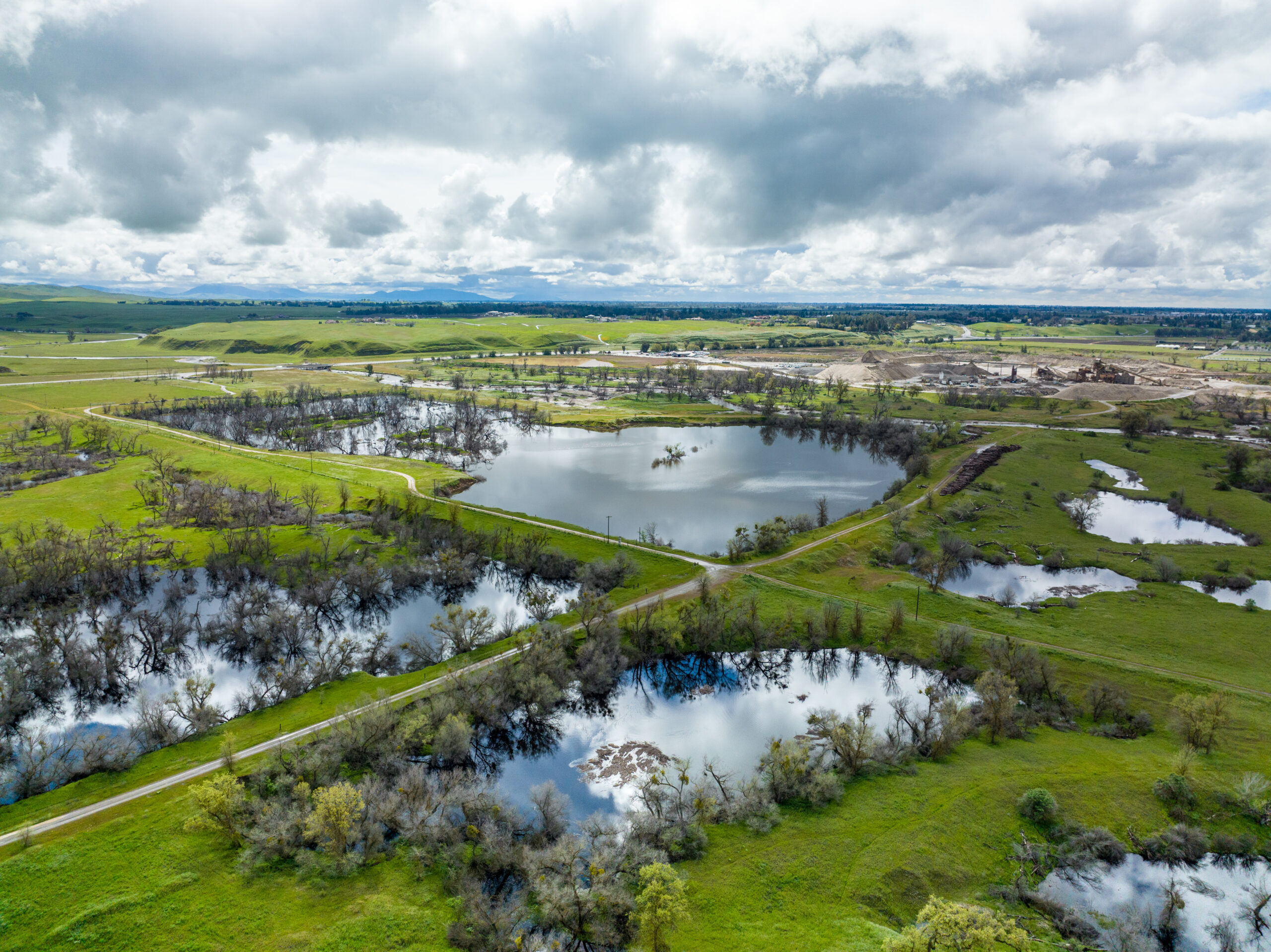
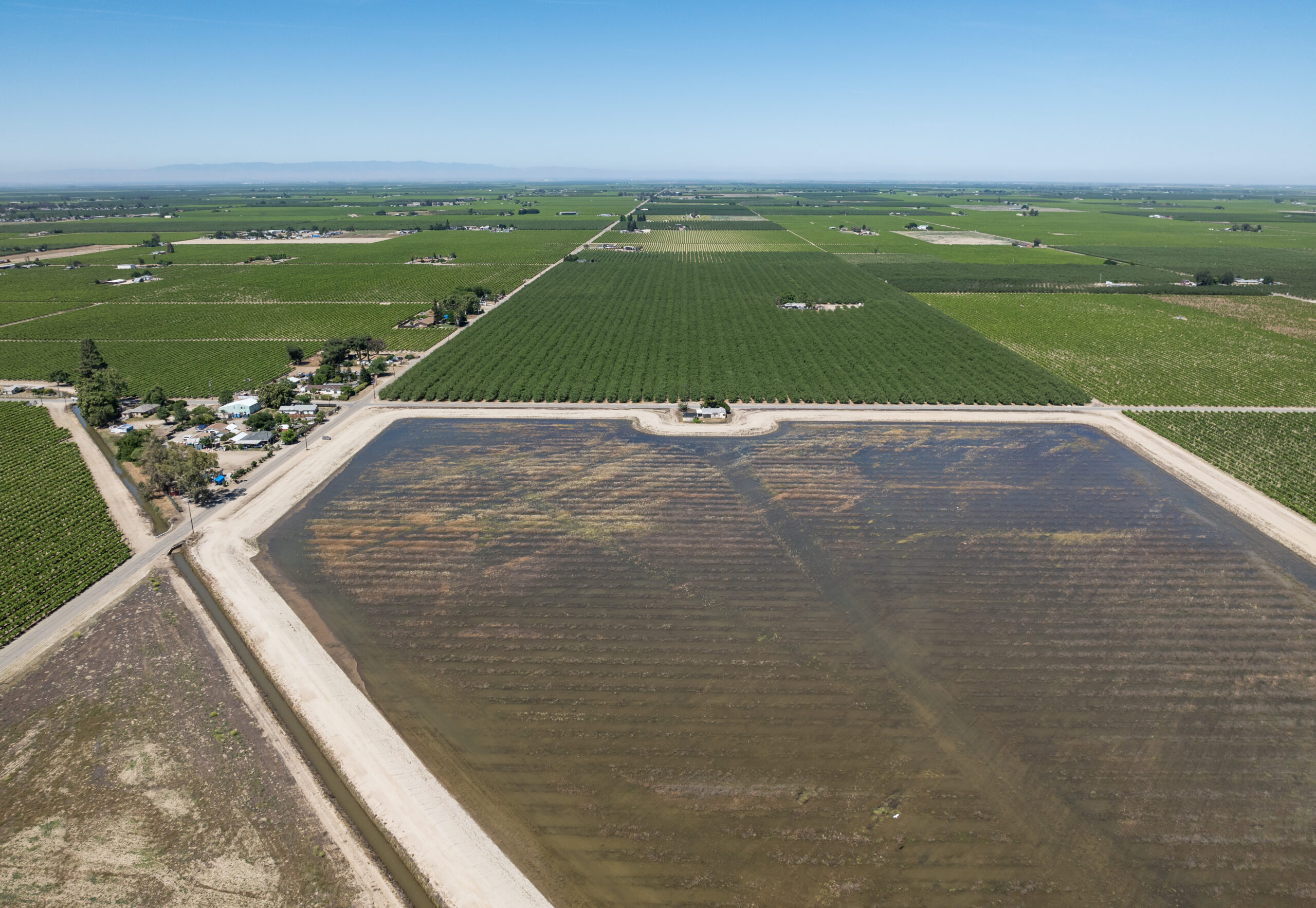
Photos of Flood-MAR. All photos courtesy of DWR