Tag Archives: Water Conservation

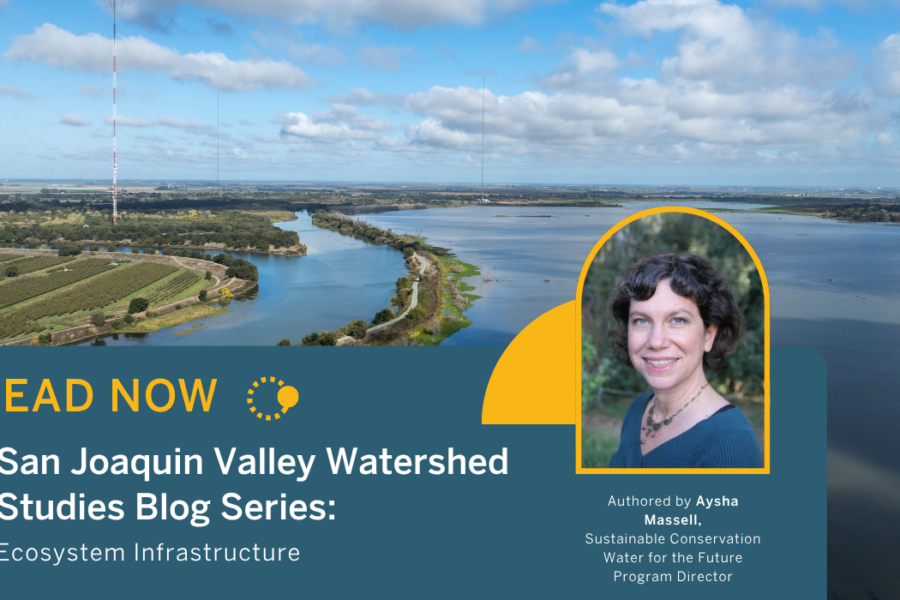
San Joaquin Valley Watershed Studies Blog Series: Ecosystem Infrastructure

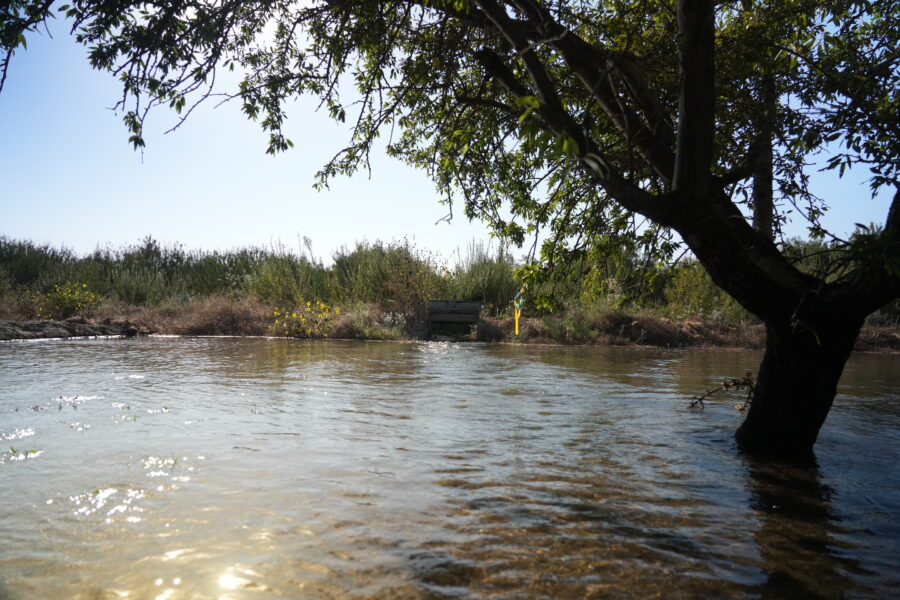
The I-FIRM strategy models habitat improvements through reservoir reoperations and additional natural infrastructure that includes river restoration, flow-through basins, and shorebird habitat. This blog walks through each of these components and outcomes as they relate to ecosystem impacts in the Watershed Studies.
Groundwater Recharge Incentives and Strategies

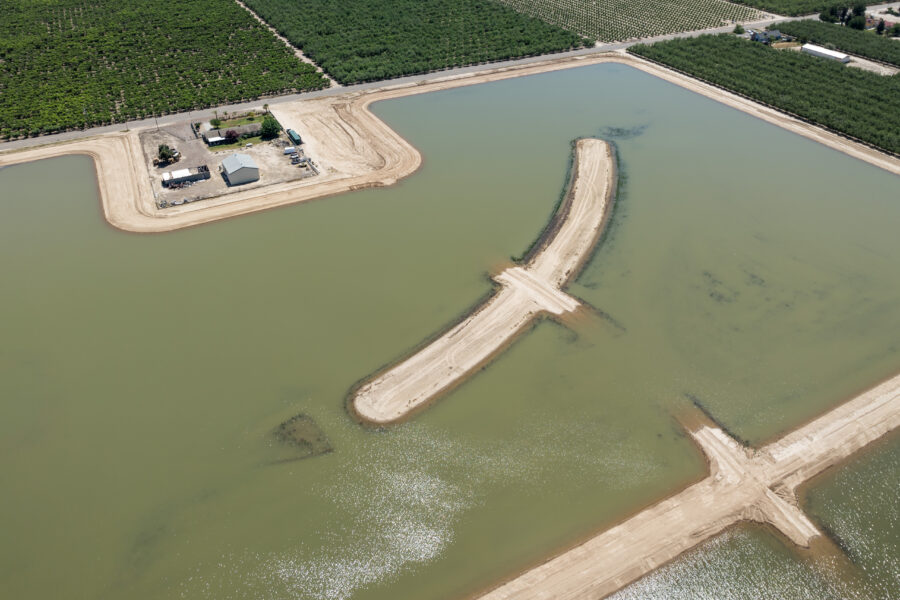
Distributing water across the landscape for groundwater recharge benefits the groundwater basin and helps reduce downstream flood risks. The State of California has promoted the practice of on-farm recharge by making it easier for landowners to access floodflows for recharge without a water right.

Announcing 2026-27 Recharge Readiness Webinar Series

While California water managers gear up for a “Super El Niño” and a potentially active water year, partners across the State have brought a variety of new advances to topics that Managed Aquifer Recharge (MAR) practitioners will find familiar. This recharge readiness webinar series will share information about recently completed guidance, projects, and case studies to help recharge project planners and implementers (growers and local agencies, in particular) prepare for the wet season ahead.

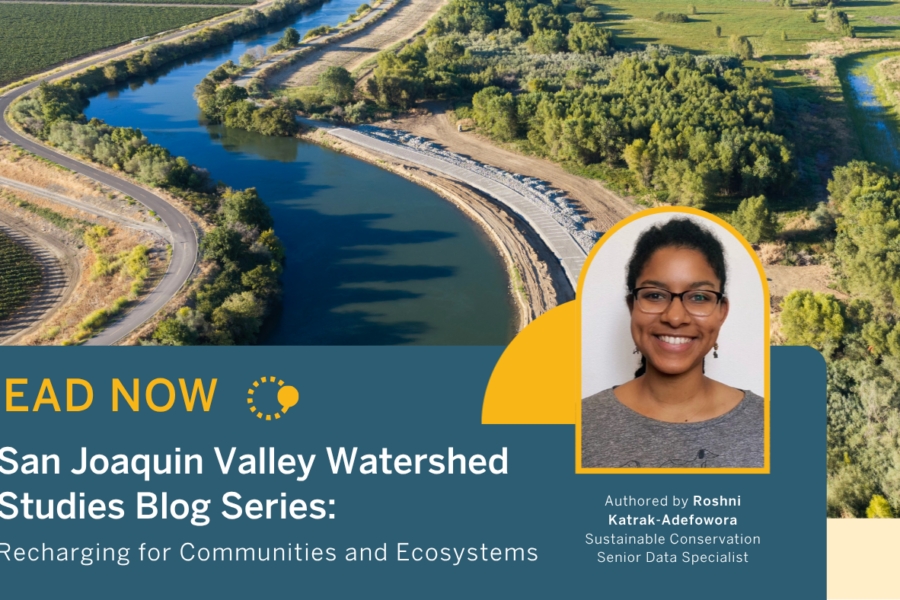
San Joaquin Valley Watershed Studies Blog Series: Recharging for Communities and Ecosystems

Many communities have residents who have already lost or are at risk of losing their access to drinking water. These communities cannot afford to see an unmitigated, climate change-fueled future come into effect.

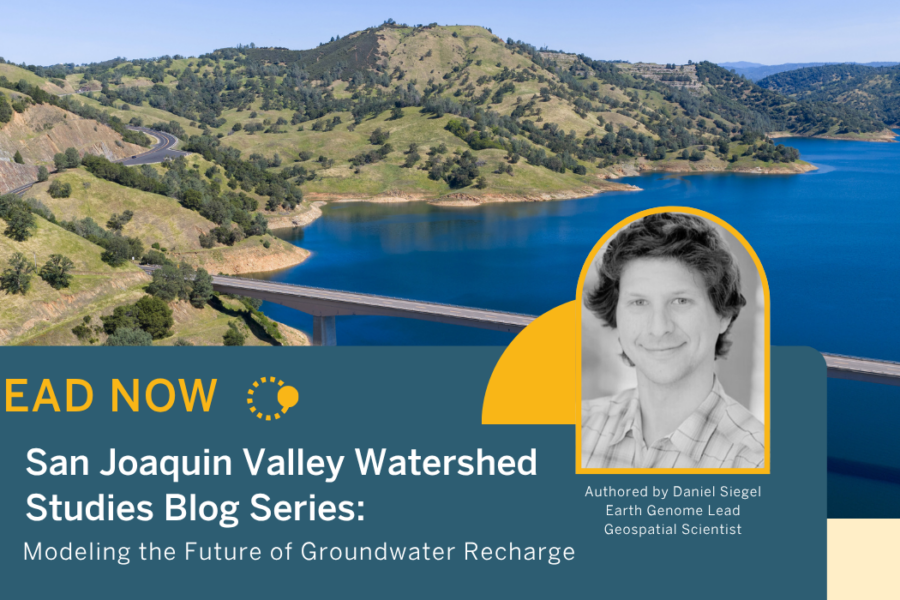
San Joaquin Valley Watershed Studies Blog Series: Modeling the Future of Groundwater Recharge

To understand how water managers may protect California against flooding and groundwater overdraft in a warming climate, DWR linked several distinct pieces of software that simulated upper watershed snowpack and runoff, routed river flows, managed reservoir pools, optimized recharge operations, and modeled the resulting groundwater movement to determine the ultimate fate of recharged water.

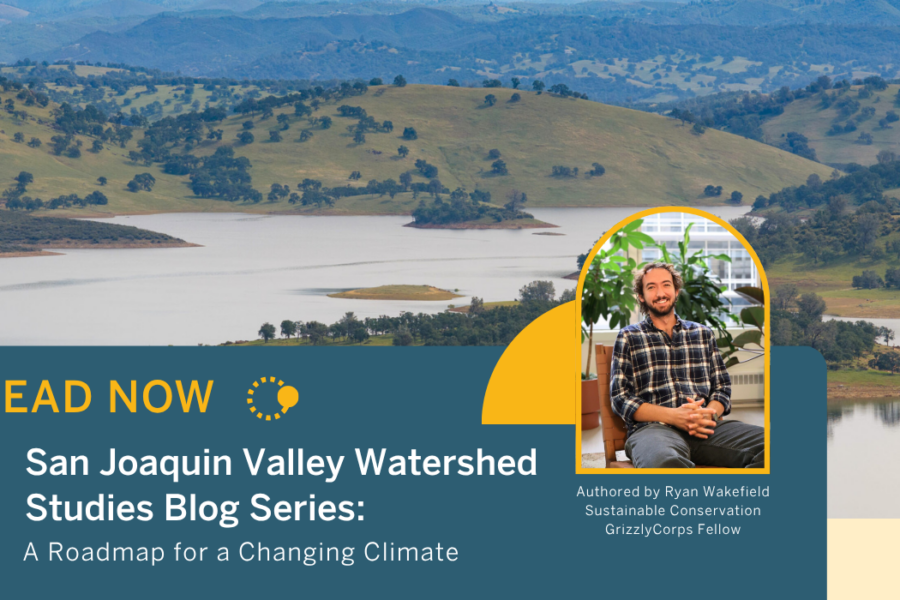
San Joaquin Valley Watershed Studies Blog Series: A Roadmap for a Changing Climate

The Watershed Studies are a novel approach to modeling climate change impacts at the watershed scale, from precipitation trends in the upper watershed to groundwater behavior beneath the Valley floor.

GroundwaterRecharge.org: Who is Recharge for?

Recharge is a practice that Sustainable Conservation has championed for over a decade largely because of the myriad beneficiaries it creates. The “Recharge For…” dropdown menu focuses on specific benefits and resources for growers, water districts and groundwater sustainability agencies, communities, ecosystems, and policymakers.

New Guidance Released to Help California Growers Maximize Water Benefits of Cover Crops

Sustainable Conservation and the Community Alliance with Family Farmers (CAFF), along with UC ANR and other partners, have released a new guidance document — Cover Cropping in California’s Water Scarce Environments — to help growers harness the many benefits of cool-season cover crops while reducing water use. As farmers adapt to a changing water supply, this guide provides practical considerations about cover crop species, timing, and management to reduce runoff, increase infiltration and water retention, and bolster overall soil health.

Here’s why Central Valley farmers should champion this California climate proposition | Don Cameron in the Fresno Bee

Read Don Cameron’s Fresno Bee op-ed on why a vote for California’s Proposition 4
presents historic investment in nature-based solutions to safeguard both natural resources and the communities that rely on them.

Proposition 4: Holistic, Sustainable, and Equitable Water & Climate Investments

Proposition 4 offers a significant opportunity to mitigate these disasters and bolster our state’s environmental resilience for decades to come. This critical funding initiative — which will appear for all Californians on the November ballot — presents historic investment in nature-based solutions to safeguard both natural resources and the communities that rely on them.