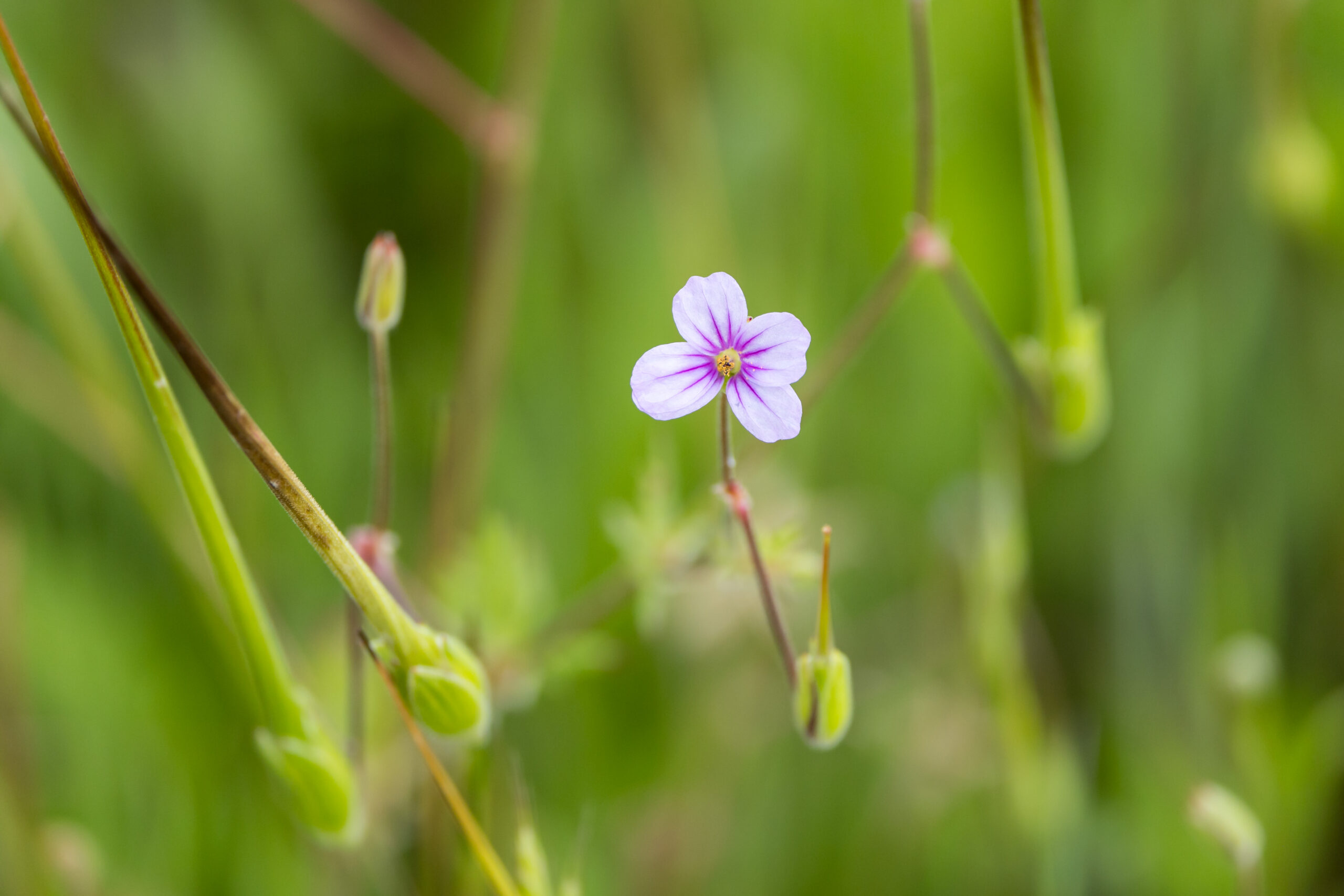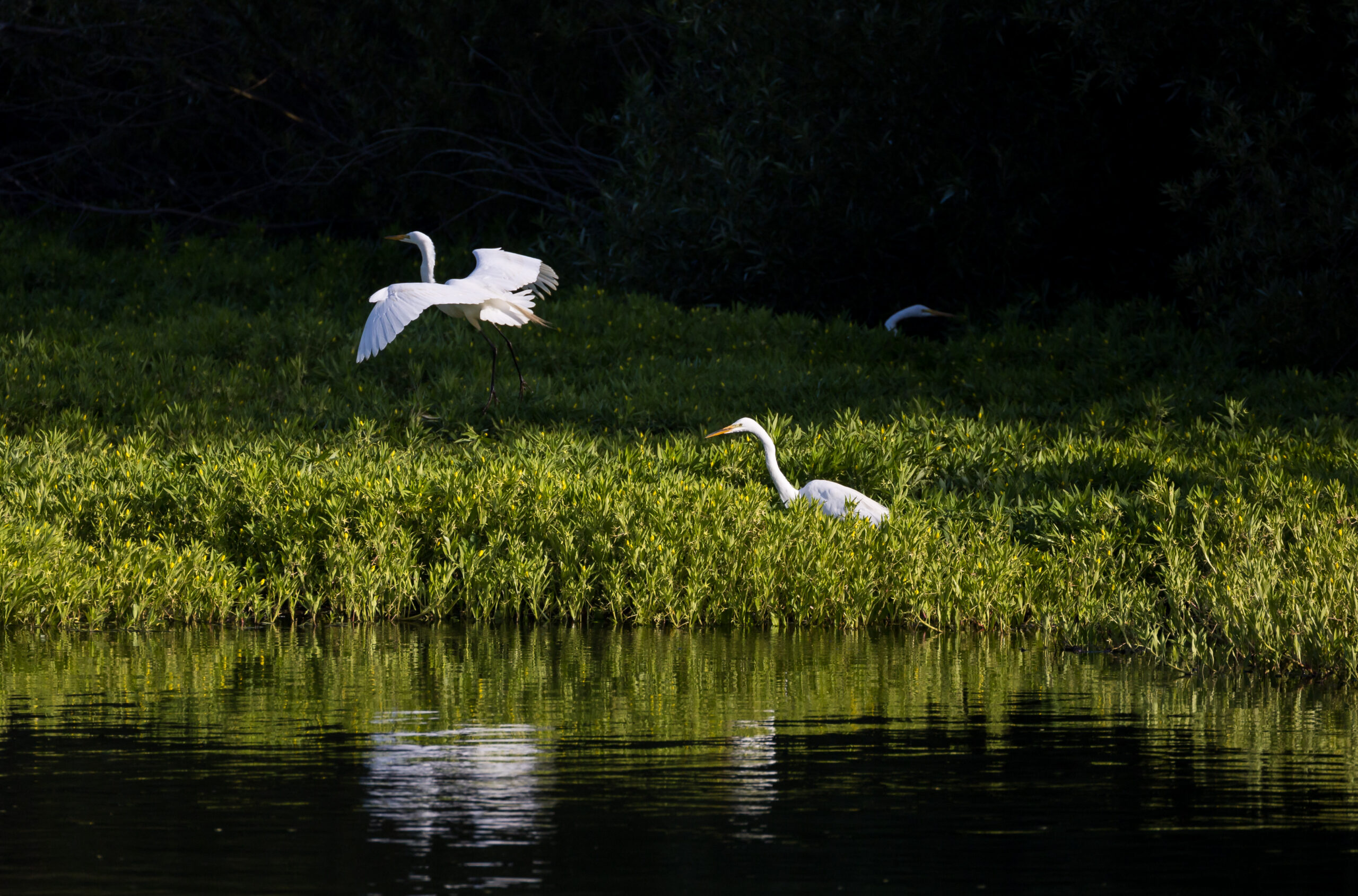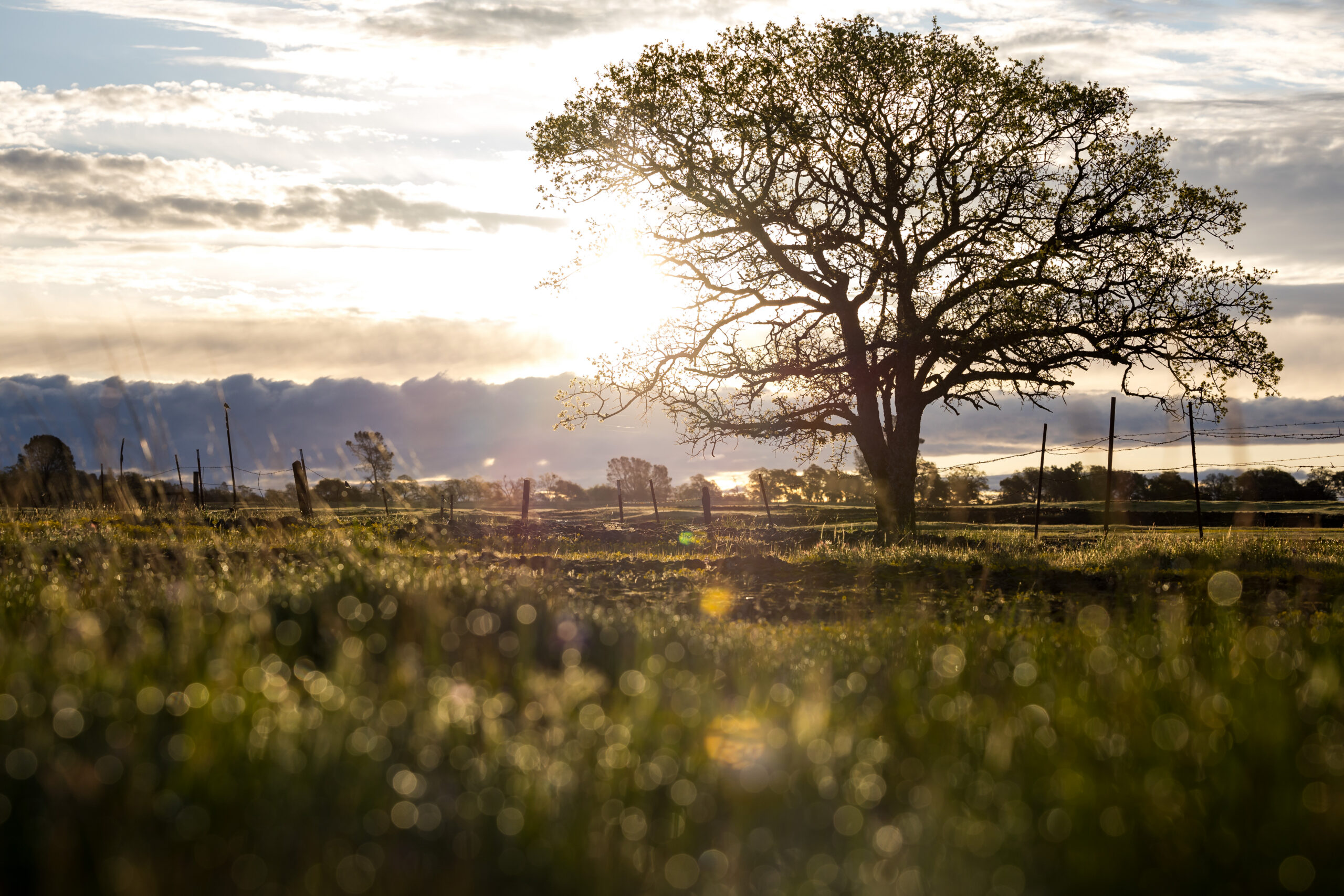
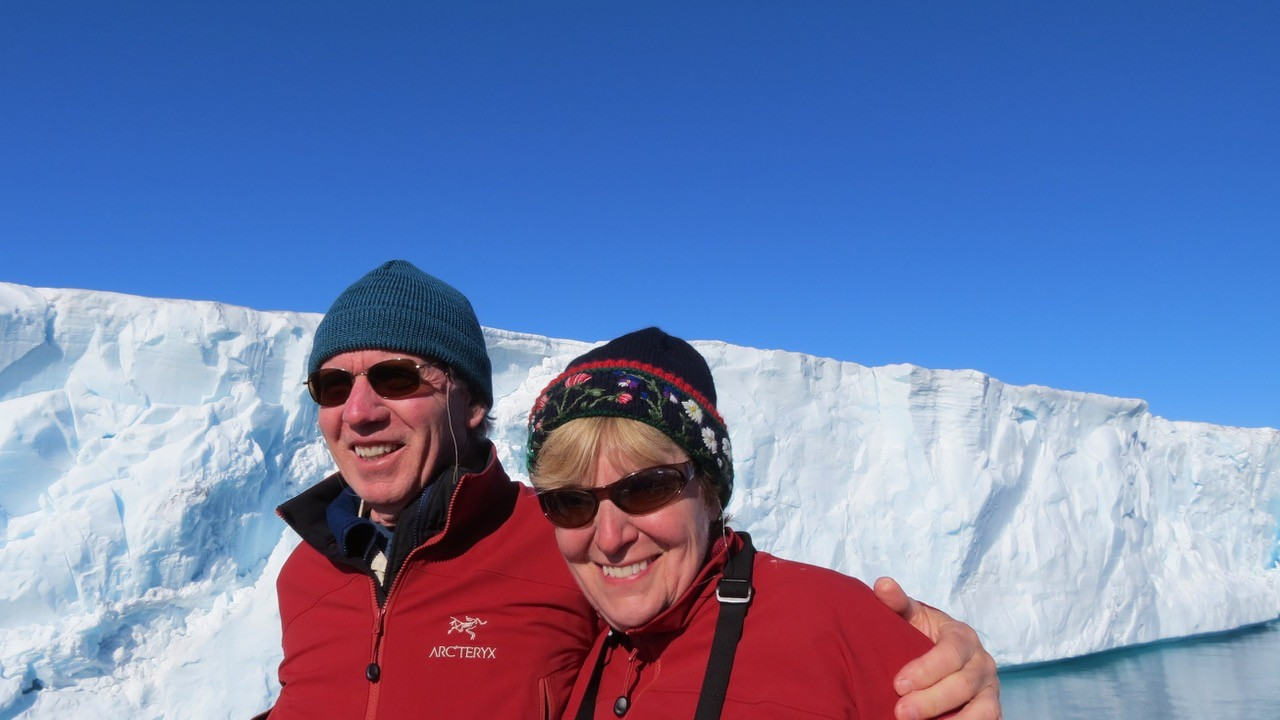
Sustainable Conservation’s Director of Individual Giving, Jan Merryweather, catches up with donors Brenda Christensen and Thomas Barry.
Tell us about your earliest connection to nature and how those experiences shape you today.
Tom: Our childhood experiences were a primer for our conservation work today.
Because of Boy Scouts, I spent lots of time in nature exploring and building trails throughout the San Gabriel Mountains, the Mojave, and the Sierras. A favorite scoutmaster created this hugely popular Star Trip, and only those who earned their “star badge” could participate. That Star Trip was such a memorable experience! We backpacked into Mineral King Valley, where we spent days camping, building rafts, swimming in the lakes, and adventuring. Being out in nature was our reward, and we still feel that way today.
Brenda: I grew up in a small, rural town on the second-biggest lake in Minnesota, Mille Lacs. There were six of us in a 1,000-square-foot house, but we had a vast outdoor world of lakes to swim or canoe in all summer. Nature was our playground. Our father was on bridge construction, and he would bring home used ends of large construction timber. I’m sure he did it so that we’d be exhausted, because we’d have to haul them down to the lakeside and build tree houses. It was our magical world that didn’t cost us anything.
My brothers, sister, and I were very active in scouting, too. Wildlife rescue and planting trees were our usual community service projects. Our family friend was the grandson of one of the great chiefs of the Ojibwe Nation, and he would tell us stories about wild ricing, fishing and hunting. At 12 years old, for your birthday and Christmas, you got a shotgun and a rifle because it was time to join our father hunting for food. It was certainly better than cleaning house or weeding the garden, which you did if you stayed at home!
Nature and the outdoors became a passion. Participating in the first Earth Day, having countless scientist friends in college, and speaking out to protect the Boundary Waters Wilderness Area from mining companies all had dramatic influences on my early life and fueled my environmental stewardship. Wherever we go, being outdoors and experiencing the land, even if it’s a city park, is so important.
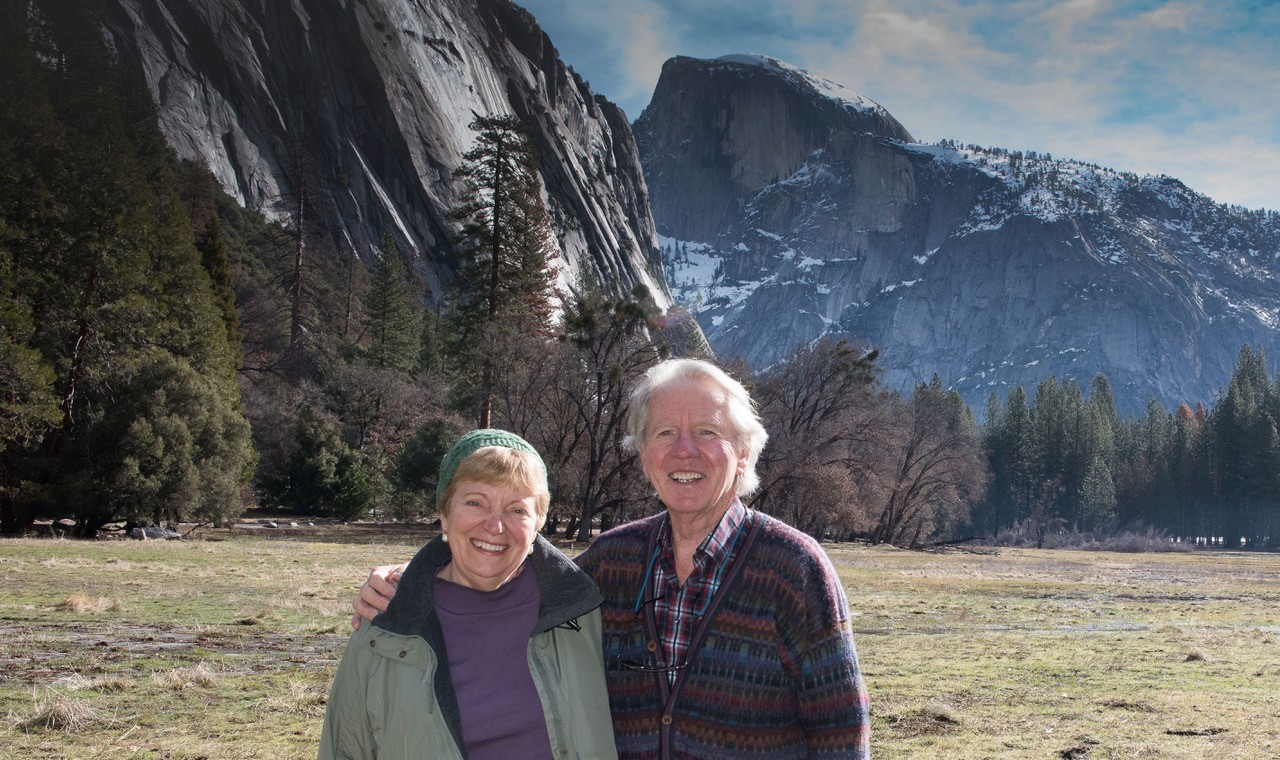
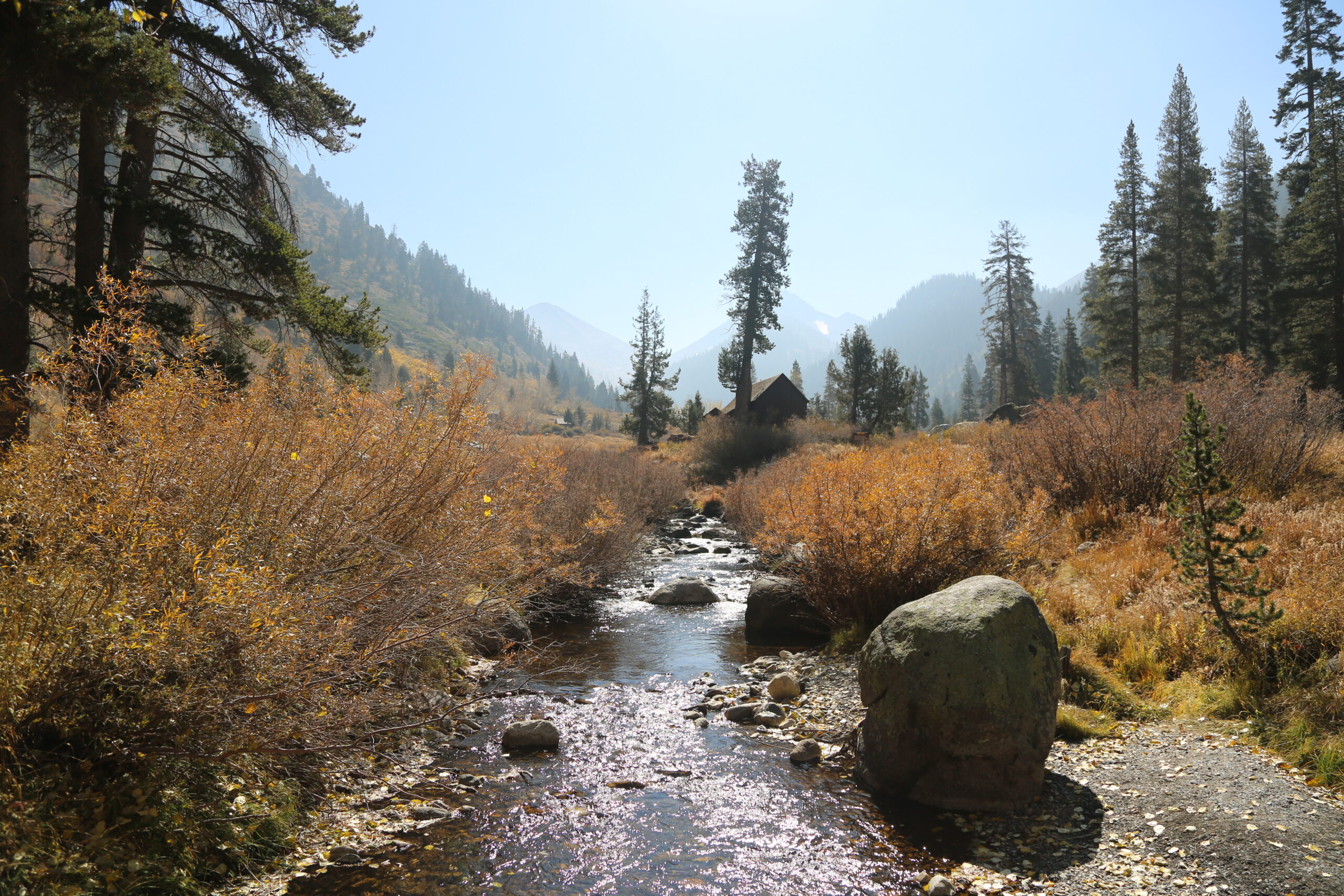

Top: Brenda and Tom in Yosemite; Bottom left: A stream in Mineral King Valley (Emily Fedorko/U.S. National Park Service); Bottom right: A sunset on Mille Lacs Lake, Minnesota (Tony Webster)
How did you hear about Sustainable Conservation?
Brenda: We had a back door into learning about the organization through my brother (longtime CEO, Brent Haglund) at the Sand County Foundation, who invited us to a Leopold Conservation Award event. The Foundation kept sharing stories with us about Sustainable Conservation’s science-based and collaborative approach to environmental stewardship. One day we just decided that the organization is doing important work that we can’t do ourselves, so let’s donate. That was 10 years ago.
What keeps you engaged with the work?
Brenda: Knowing that our giving gets results. We love that you’re focused on just California, empowering people to solve environmental problems and huge challenges. Also, the program stories told at field trips, during webinars, and in your newsletters keep us engaged and learning. And we live by storytelling, don’t we? You can always tell when something makes an impression because you keep telling those stories to other people.
I always tell the PlantRight and simplified permitting stories to friends, and more recently there are the water recharge stories. At the field trips you get a three-for-one experience. You get to see progress at ground level, then you get educated about the science, then you get educated about the power of cooperation between the private landowners, the corporate landowners, the workers on the land, and the scientists. I mean, the collaboration is just marvelous because you’ve brought them all to the table.
Brenda: Here’s a childhood story that also influenced my initial interest in Sustainable Conservation’s water quality initiatives: there was a metal refinishing plant in our town of 500 people, and its run-off seeped into Mille Lacs along with poorly maintained septics. This was also the time when Rachel Carson’s Silent Spring was starting to raise awareness about the dangers of DDT and how we’re all connected in the ecosystem. Over many months, my mother advocated for the “town fathers” to address this pollution issue. They didn’t like to be pressured and eventually told her that she could no longer shop in our town. The next nearest grocery store was 15 miles away, yet she was banned from our village’s stores for standing up for the health of our community and environment. That was one of many times when our mother showed us that you stand up for what’s right, no matter what.
When and how did you learn about generosity?
Brenda: The first part of my answer is a bit silly, but it was watching “The Millionaire,” a late 1950s TV series. Each episode, a mysterious benefactor surprises a stranger in need with the gift of a million-dollar check. Generosity meant so many things when we were growing up: donating to the church collection basket, sharing what we brought home from a hunt, fishing, or peas from our garden. It was helping however you could: shoveling snow off somebody’s walk, taking someone to church or a medical appointment. Good neighbors are good at generosity.
Tom: I learned generosity from Brenda!
Brenda: We’re retired now, but we were working people who made our way to Silicon Valley. We’ve always donated to causes we believed in, but it was modest giving because that’s what we had in our early careers. Over time, we’ve been able to give more and do more to restore the environment, advance scientific research, and help people better understand the world around them.
My father used to say, “There’s no U-Haul behind a hearse.” We don’t know how long we’re going to be here, so let’s give while we’re here. We don’t need a park bench named for us or a plaque. We just need to know that people are doing good things with the money.
You don’t have to give thousands or millions. Small gifts make big differences, too. Finding effective organizations that use the money well and get results makes it easier to give.
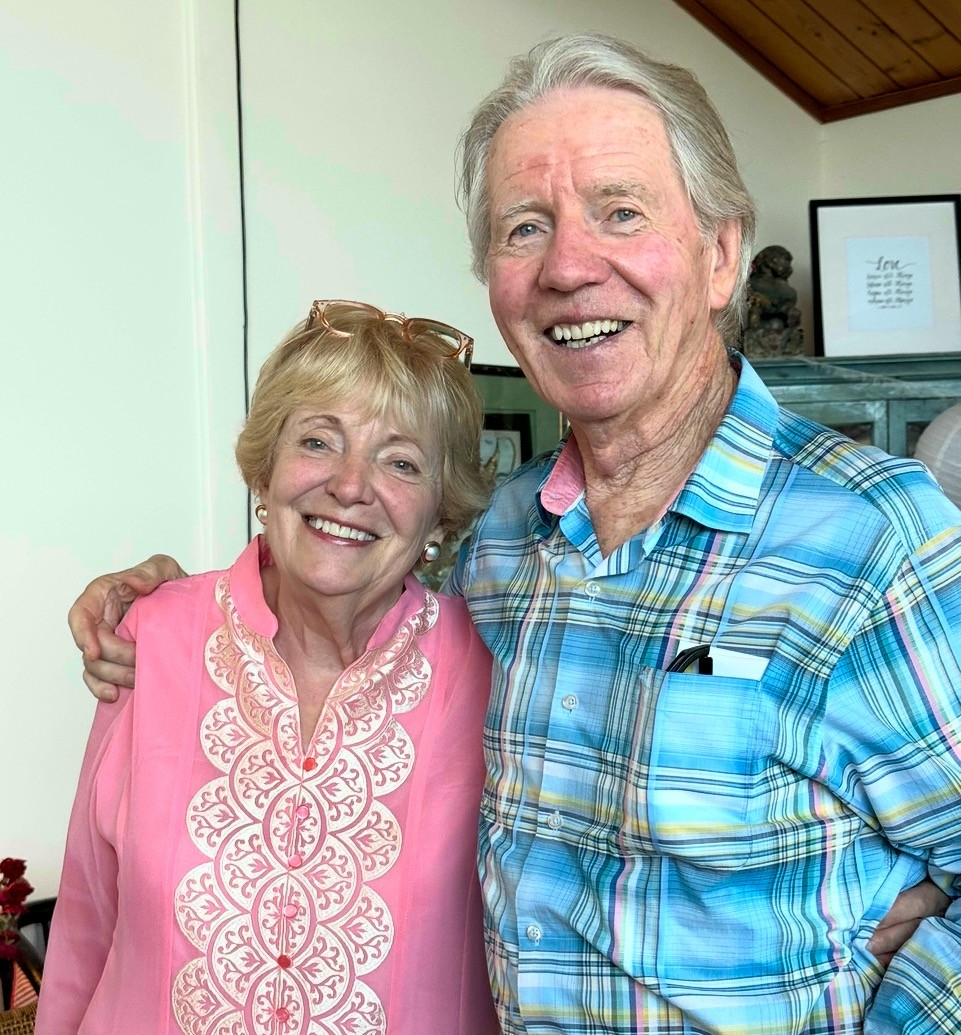
Brenda Christensen and Tom Barry
What values fuel your philanthropy?
It reflects how much we value nature, science, and education. Each is a critical source of discovery and well-being. Access to these things, too. We believe all people, regardless of wealth or where they come from, should understand and experience our natural world. Lastly, we believe in paying it forward. In our teenage years and into college, people were generous to us because they wanted us to succeed. Many people rely on the goodness of other people’s intentions, and we give to be a part of that now.
We love that philanthropy keeps our values working in the future. If we flew away from this world tomorrow, there’s money for restoring the environment, advancing research, and helping empower people. We spent our careers in the technology world, but AI isn’t going to fix these problems. Those who are engaged in understanding the natural world and care about the environment will find the solutions.
We give to a variety of causes, such as Puente and other farm worker organizations that we care about, Seattle University, the Sand County Foundation, and the Monterey Bay Aquarium. Most of our giving revolves around people working the land, taking care of the land, or protecting wildlife and our natural resources. We’d like for everyone to be a citizen scientist and find more ways to connect with the natural world around them. That’s when more good things happen for everyone.
Join Brenda and Tom in being part of Sustainable Conservation’s Legacy Society!
Beneficiary designation gifts are quick to set up, and among the most flexible of all charitable gifts. Donating part of your unused retirement assets, such as your IRA, 401(k) or 403(b), is an excellent way to support Sustainable Conservation’s collaborative problem solving for California’s environment and people — well into the future. To learn more, ask your financial advisor or access our legacy giving site.