
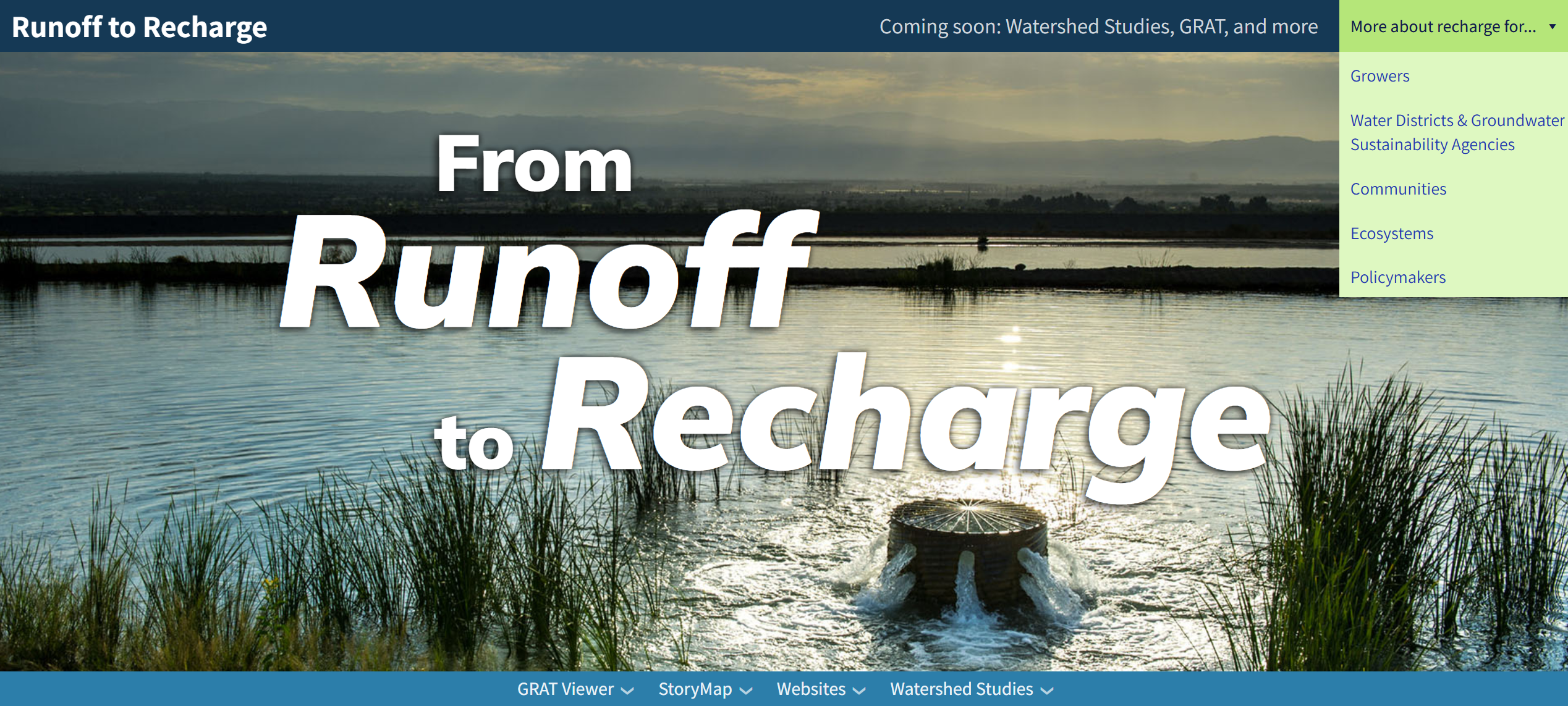
Earlier this year, Sustainable Conservation put the finishing touches on the “Recharge For…” section of its groundwater recharge resource website, GroundwaterRecharge.org. The dropdown menu allows visitors to learn about managing groundwater recharge based on their affiliation or involvement with the practice.
What is managed aquifer recharge (MAR)?
Groundwater recharge occurs naturally when excess water spreads across a landscape and infiltrates through the soil into the aquifer below. It can be facilitated by diverting water from a conveyance system onto a floodplain, agricultural field, or elsewhere with porous soil. This practice, called Managed Aquifer Recharge (MAR), is among the most cost-effective and scalable strategies to increase the resilience of groundwater aquifer supplies, while protecting communities from flooding.
Sustainable Conservation’s Water for the Future team hopes this resource will demystify how, where, and when MAR can be done to effectively and safely increase groundwater supplies for community, agricultural, and ecosystem resilience.
Who is Groundwater Recharge For?
It might be quicker to list who it isn’t for. Recharge is a practice that Sustainable Conservation has championed for over a decade largely because of the myriad beneficiaries it creates. The “Recharge For…” dropdown menu focuses on specific benefits and resources for growers, water districts and groundwater sustainability agencies, communities, ecosystems, and policymakers.
Growers
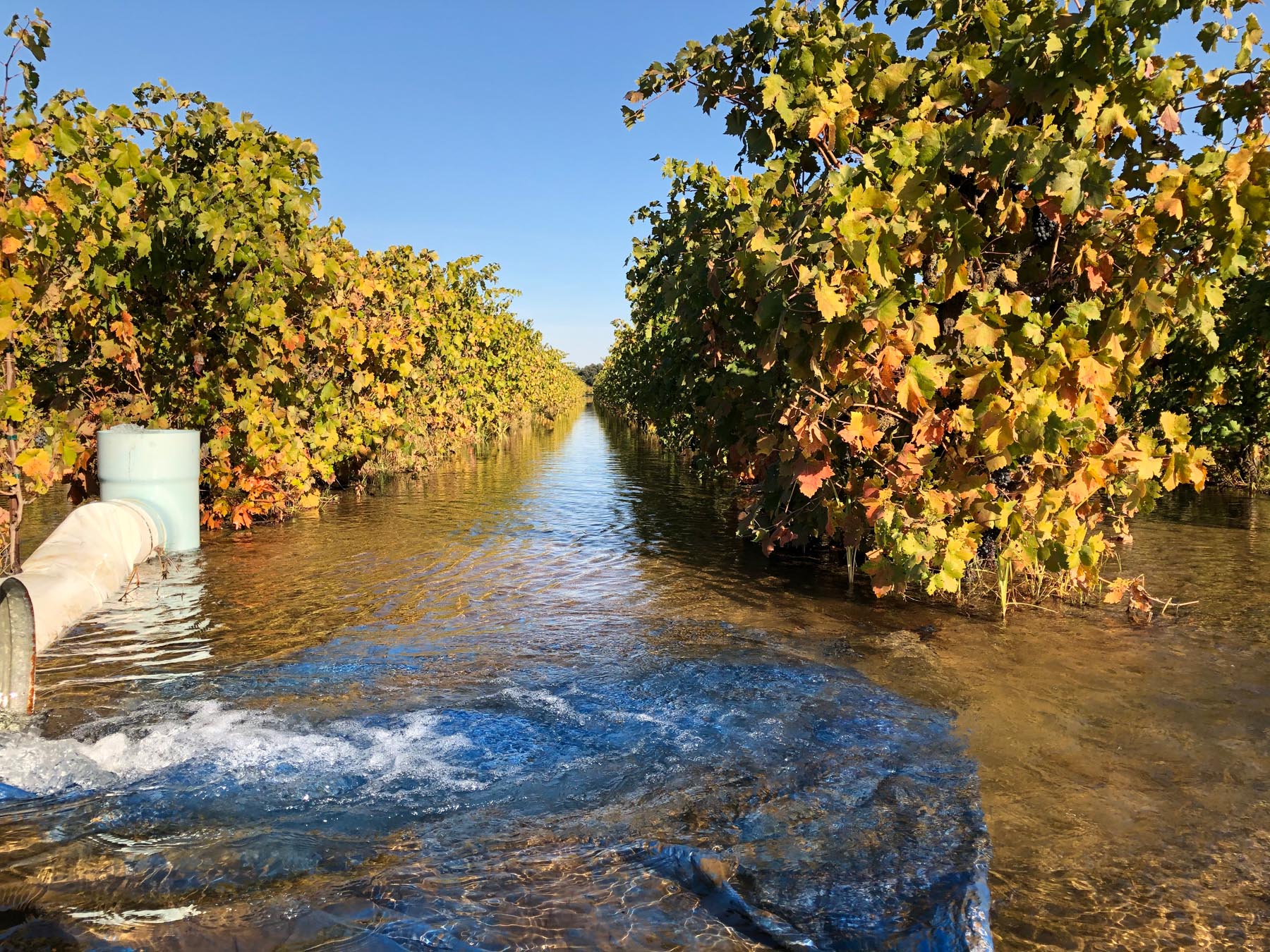
Sustainable Conservation has learned from growers how to recharge safely on active farmland since 2014. As the Sustainable Groundwater Management Act (SGMA) is implemented, growers are increasingly interested (and incentivized) in participating in on-farm recharge.
This section on groundwaterrecharge.org aims to help inform growers on considerations for conducting MAR, the costs and incentives associated with it, and other funding and technical assistance information. If you are or know a grower who’s interested in learning if MAR could be a fit, reach out to Sustainable Conservation Agronomist Rogell Rogers!
Water Districts & Groundwater Sustainability Agencies
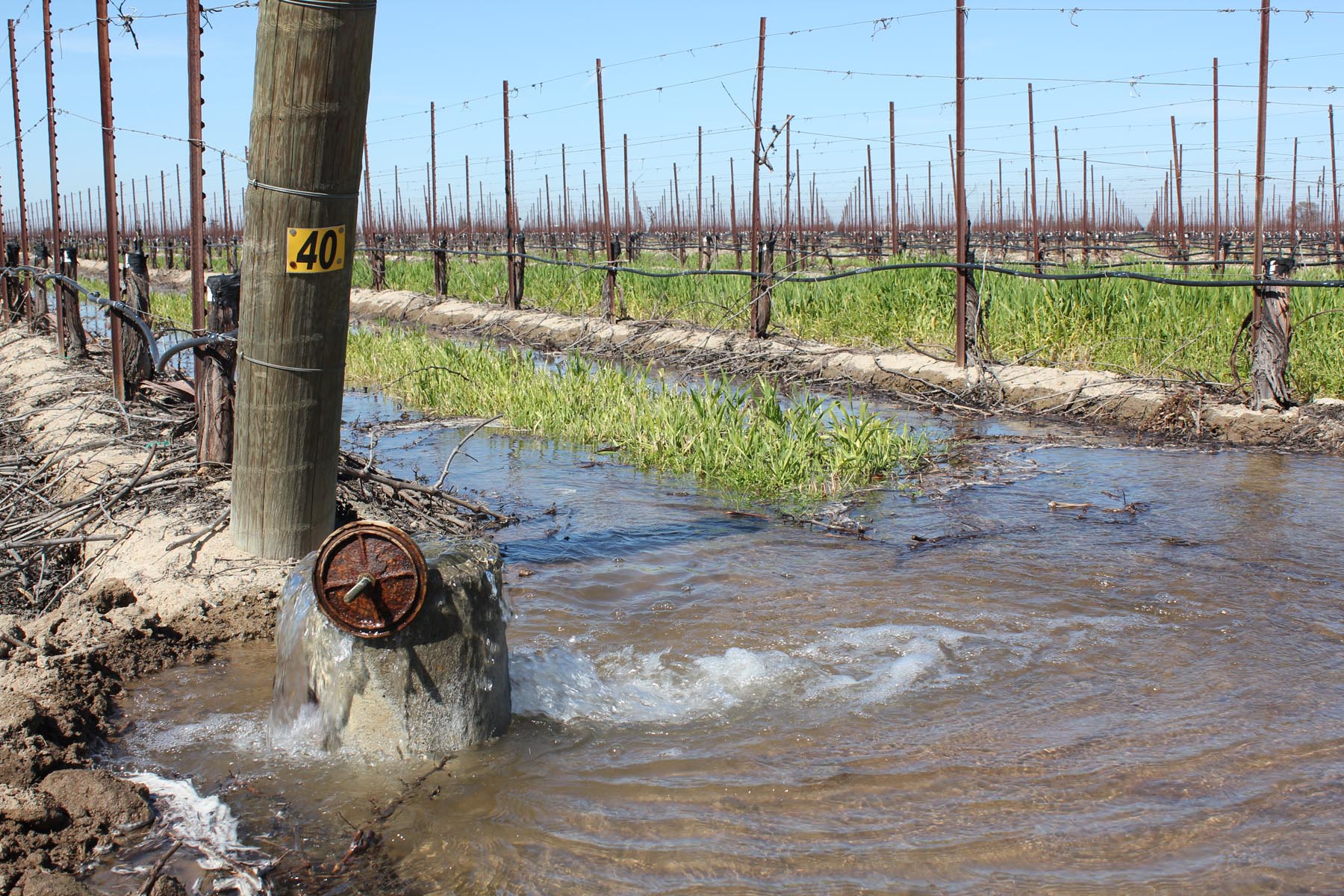
Water districts are uniquely positioned to scale MAR efforts by identifying optimal locations, leveraging conveyance infrastructure, and designing programs that enable and incentivize growers to participate in MAR. This specific page has curated resources for water managers to navigate timing for water availability, emergency floodwater planning, water rights, multi-benefit outcomes, and more.
Communities
Many communities throughout California depend on groundwater as their primary drinking water source. As climate change and agricultural over-pumping contribute to declining groundwater levels, an increasing number of wells that supply drinking water to households are going dry. For communities specifically, capturing or diverting excess surface water during wet periods can increase the groundwater that can be sustainably pumped in the future, while also reducing flood risk during extreme storms.
These resources help community members and partners identify where and how MAR projects can most effectively stabilize groundwater levels near at-risk wells. They also highlight opportunities to design projects that provide added community benefits like recreational space. Want to learn more about recharge in your community? Contact Sustainable Conservation Senior Data Specialist Roshni Katrak-Adefowora!
Ecosystems
Many habitats, from wetlands to natural waterways like rivers, are disappearing in California due to climate change and human impacts like urbanization. Protecting and restoring these threatened habitats is essential for preserving healthy, diverse ecosystems. Targeting MAR in locations that increase habitat connectivity or water availability for groundwater-dependent ecosystems can result in biodiversity benefits in addition to aquifer replenishment.
The page provides technical resources and planning tools to help practitioners design MAR projects that strengthen both aquifers and the ecosystems that rely on them.
Policymakers
As climate change intensifies California’s water pressures, coordinated policy leadership is essential to ensure MAR strategies are equitable, science-based, and scalable. This policymakers’ sub-page includes resources on water rights and permitting, funding opportunities, justice and equity considerations, water accounting frameworks, and strategies for designing and scaling multibenefit MAR programs that strengthen regional resilience.
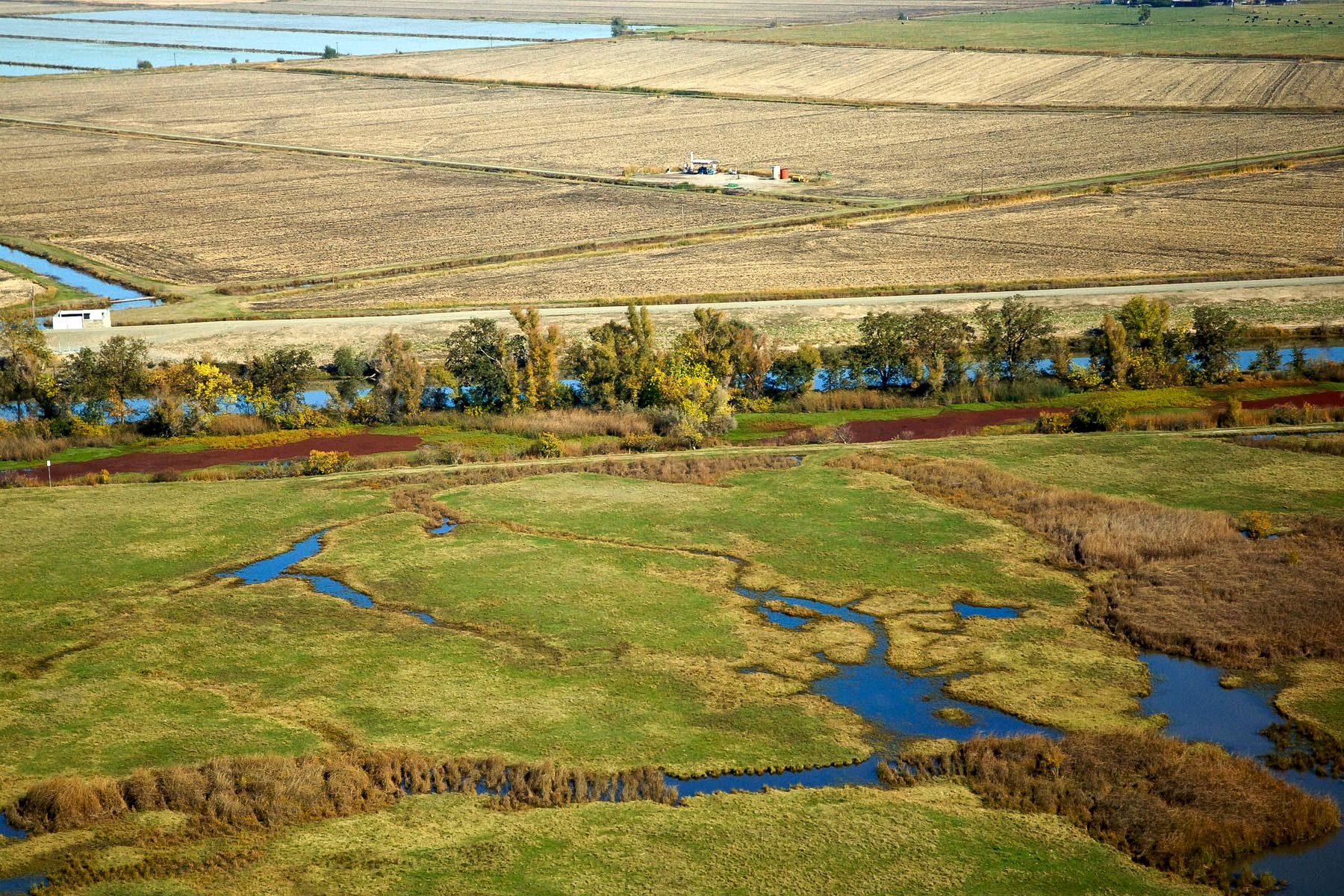

Successful, at-scale MAR efforts require buy-in from a handful of partners, each representing a different sector or stakeholder group. Sustainable Conservation prioritizes establishing common ground and building trust across these sectors, so when water is available for MAR, regions can act quickly to take advantage. The ‘Recharge For…’ section on GroundwaterRecharge.org provides growers, water managers, communities, and policymakers with tailored, practical insight into how MAR can advance their own resilience goals, while at the same time delivering shared benefits across regions, sectors, and ecosystems.
Stay tuned as the team continues to refine GroundwaterRecharge.org and add more resources and tools to strengthen its role as an entry point for learning and relationship-building., or learn more about the region’s MLRP program here.