Governor Newsom has officially signed Sustainable Conservation-sponsored Assembly Bill (AB) 2045 into law. AB 2045 extends the Habitat Restoration and Enhancement Act (HREA) for another five years and expands its utility by formally including “fully protected species” coverage in the Program. In 2014, Sustainable Conservation’s Accelerating Restoration team first sponsored the HREA to empower smaller-scale restoration projects with an expedited permitting pathway at the California Department of Fish and Wildlife (CDFW). The Program was designed to save time and money while maintaining key environmental protections.
Restoration projects throughout California come in all shapes and sizes. Practitioners often need to move quickly to take advantage of seasonal conditions, available funding, construction windows, and opportunities to improve habitat. At the same time, projects still need to ensure measures are in place to protect fish, wildlife, and other environmental resources from any unintended impacts. Restoration-specific permitting pathways, like the HREA, have long track records of ensuring measures are in place to reduce temporary impacts, while enabling long-term environmental gains.
The HREA was enacted to create a simplified permitting process at CDFW for landowners, land managers, state and local government, Tribes, and conservation organizations to implement small-scale, voluntary habitat restoration and enhancement projects. These projects support 30×30 conservation initiative goals, implementation of the California Salmon Strategy, nature-based solutions climate targets, recovery of fish, birds, and plants; they also contribute to climate resilience and healthier watersheds.
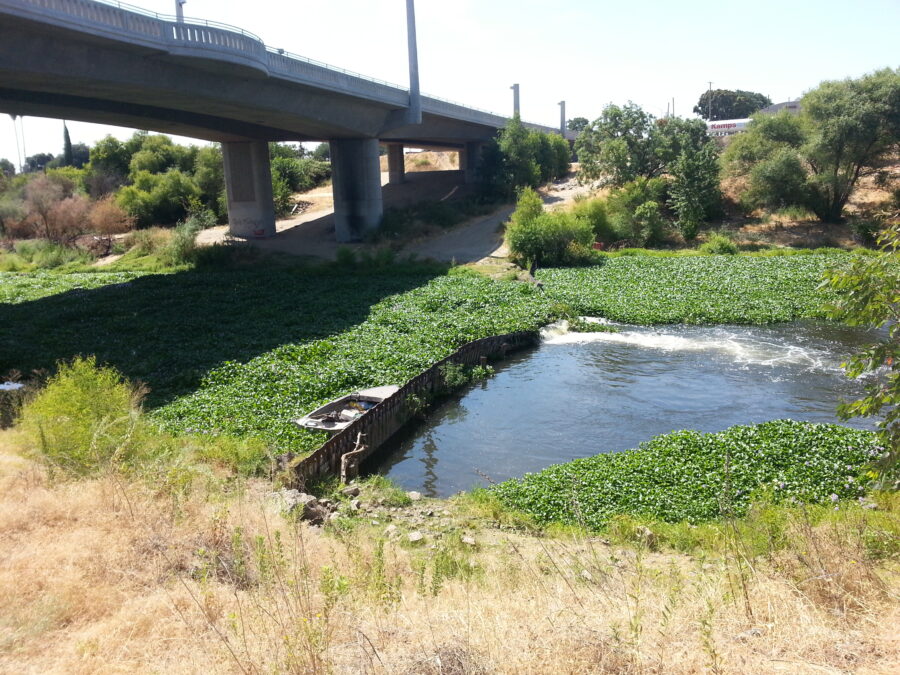
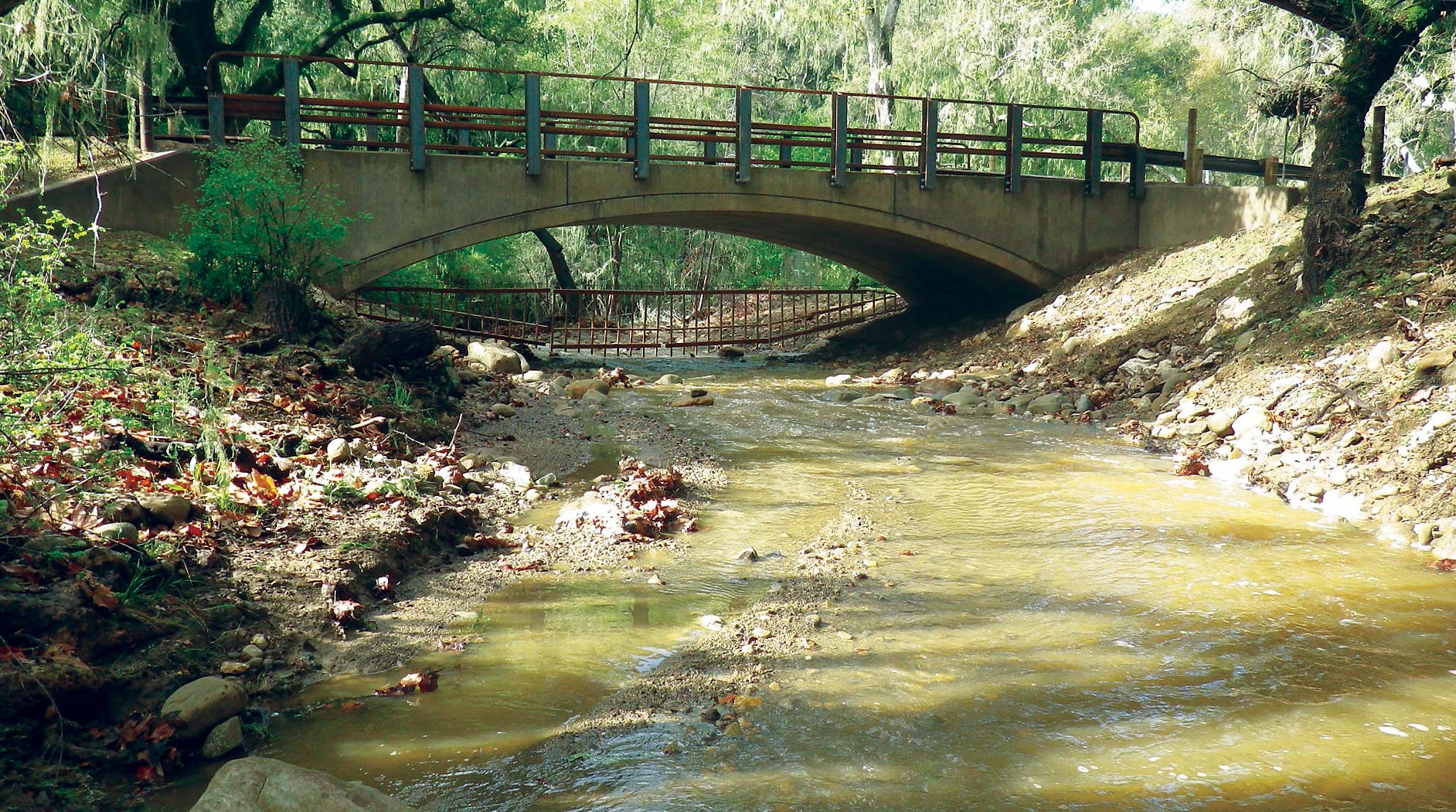
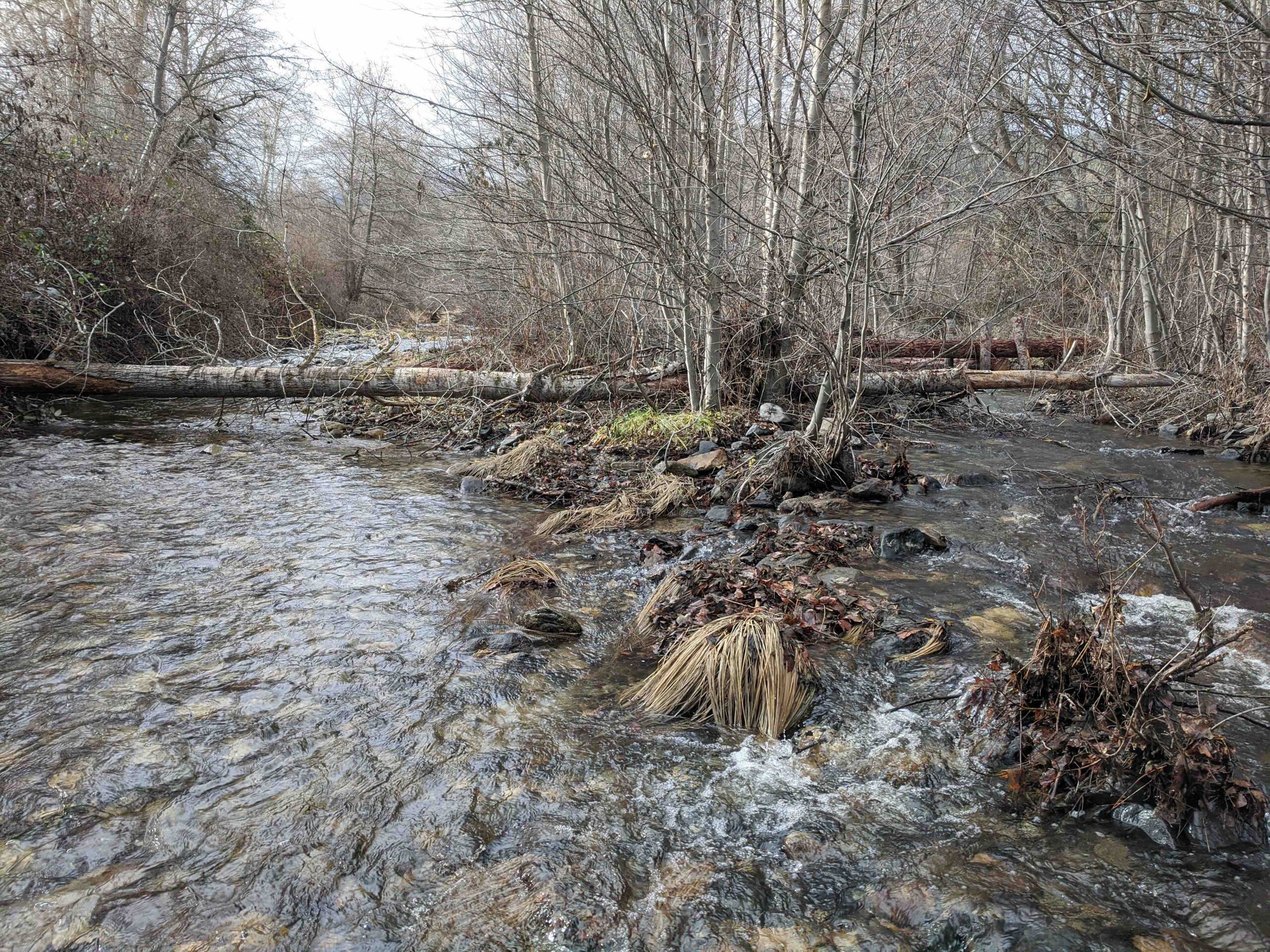
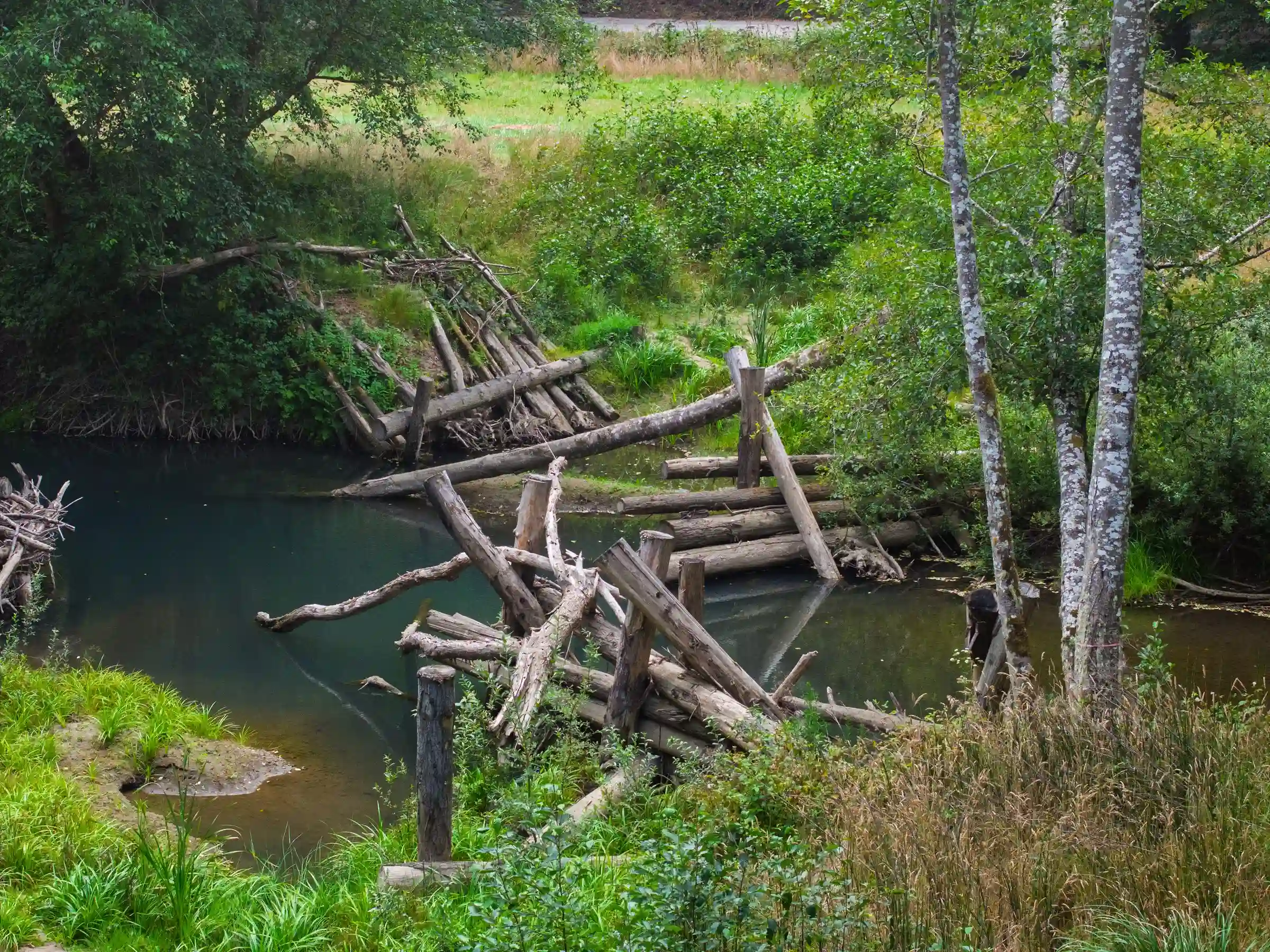
This year, AB 2045, authored by Assemblymember Damon Connolly and developed in close collaboration with restoration project proponents and CDFW, reauthorizes the HREA, which was unanimously enacted in 2014 and unanimously extended in 2021. Since 2014, the HREA alone has lessened the permitting cost and time burdens for over 250 restoration projects. See below some snapshots from habitat restoration projects that utilized the HREA!
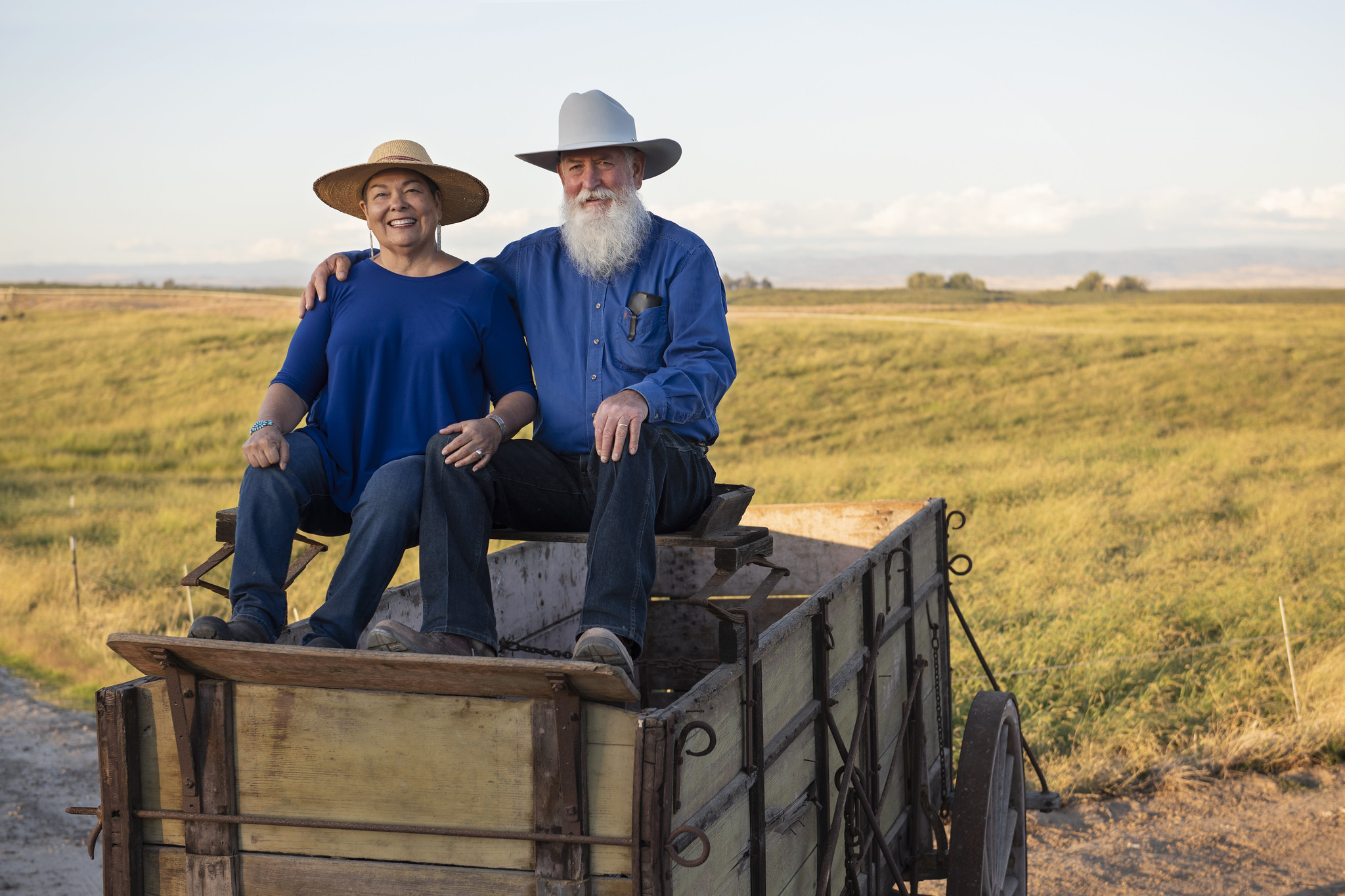
I am incredibly grateful for Sustainable Conservation and their partnership in getting AB 2045 signed into law. Through this bill, we have secured California’s progress towards reaching its environmental and sustainability goals. As our climate continues to worsen, it is critical that we give our conservation groups and organizations the tools that they need to preserve our ecosystems in an efficient manner. Now that we were able to extend the operation of the Habitat Restoration and Enhancement Act, we can further protect our habitats, ecosystems, and biodiversity for generations to come. California Assemblymember Damon Connolly
The Power of Permitting
More than two decades ago, Sustainable Conservation recognized that permitting processes for projects that restore or enhance California’s habitats and waterways could be greatly improved, especially for smaller projects with less funding or staff capacity. Dedicated restoration advocates with shovel-ready projects were spending years and tens of thousands of dollars navigating complex and sometimes duplicative regulatory processes before any work could be done.
In 2014, however, the HREA provided a novel approach to permitting small-scale, environmentally beneficial restoration projects. It created a 30-to-60-day approval process and put these projects on a separate permitting track from development projects. This means restorationists who want to revitalize streams, remove barriers to fish passage, restore wetlands, and replenish natural water supplies can partner with CDFW to get their projects approved more efficiently. As a result, more project funding can go toward construction, and agency staffers save administrative time so they can provide more technical assistance to applicants.
Seean exampleof one type of restoration the HREA helped make possible
To prevent further habitat losses, restore land and species, build climate resilience, and better withstand extreme events, California must immediately accelerate the pace of restoration efforts. Expedited, restoration-specific permits like the HREA make this possible at a time when urgency could not be greater.
Connecting the Dots
AB 2045 gives small restoration practitioners another five years of dependable, speedy, and affordable permitting review while providing CDFW and other regulatory agencies an opportunity to learn from the HREA’s continued implementation. The legislation also builds on a decade of experience showing what can happen when restoration practitioners, agencies, policymakers, and conservation organizations work together to create permitting pathways suited to the type of habitat revitalization California needs.
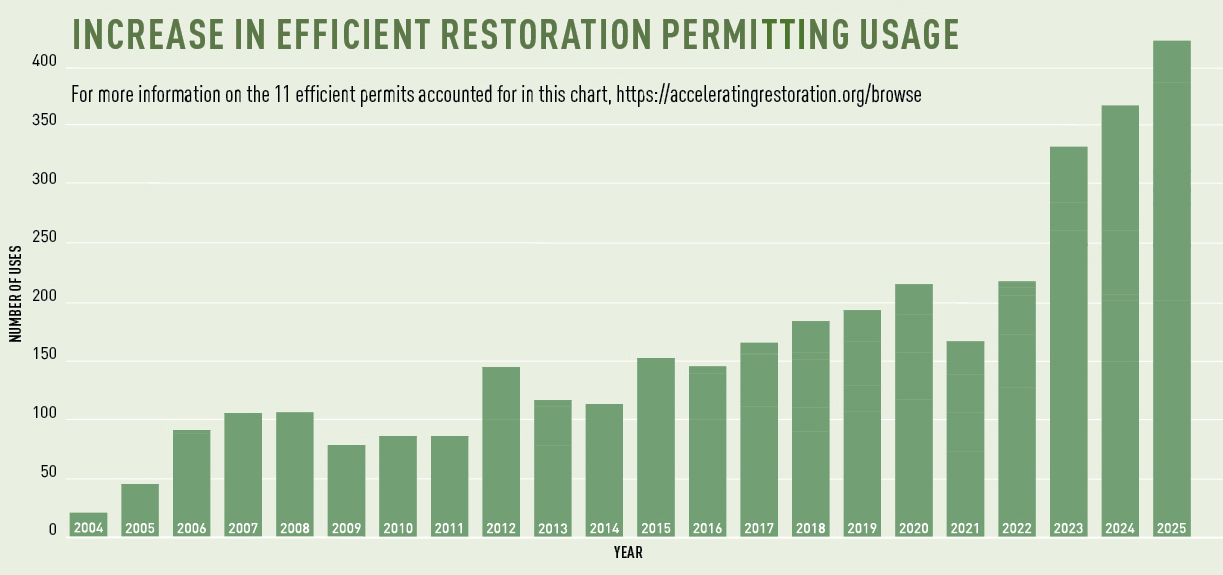
Today, restoration practitioners can draw from a growing toolbox of permitting options suited to different types and scales of work, including the HREA alongside other local, state, and federal pathways. The growing availability and utilization (see below) of these tools reflect the investment California has made in designing permitting systems that work in tandem with, not in opposition to, the restoration our ecosystems and communities need for a climate-resilient future.
California’s restoration story is written in thousands of quiet moments: a small dam removed, a permit approved in weeks instead of years, a stretch of streambank dechannelized and replanted. Connect enough of those moments, and you have a restored, resilient California. The HREA is a vital tool that makes this landscape-scale restoration a feasible goal for California by enabling hundreds of smaller projects.
List of organizations who supported AB 2045
Arroyos & Foothills Conservancy
Audubon California
California Association of Local Conservation Corps
California Association of Resource Conservation Districts
California Council of Land Trusts
California Democratic Party Rural Caucus
California Habitat Conservation Planning Coalition