
A Groundwater Recharge Guide for Vineyards
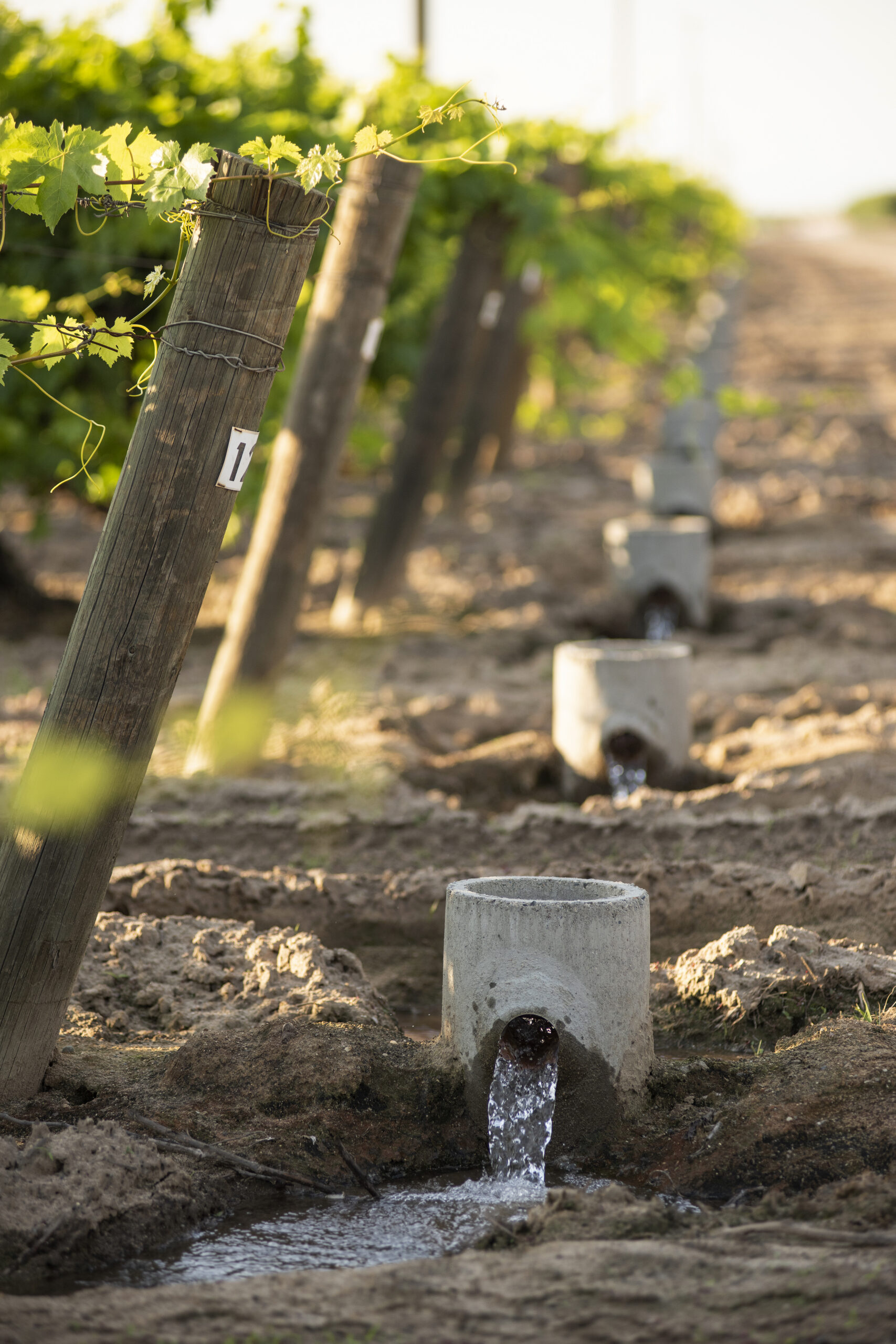
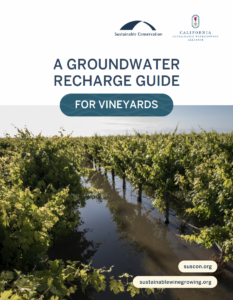
Sustainable Conservation and the California Sustainable Winegrowing Alliance (CSWA) have released A Groundwater Recharge Guide for Vineyards to help winegrape growers evaluate, plan, and implement on-farm groundwater recharge to contribute to regional groundwater sustainability. As California’s wine regions face growing groundwater pumping regulations under the Sustainable Groundwater Management Act (SGMA), the guide equips growers with science-backed methods to plan and implement Flood-Managed Aquifer Recharge (Flood-MAR) or other MAR approaches safely and effectively on their farms.
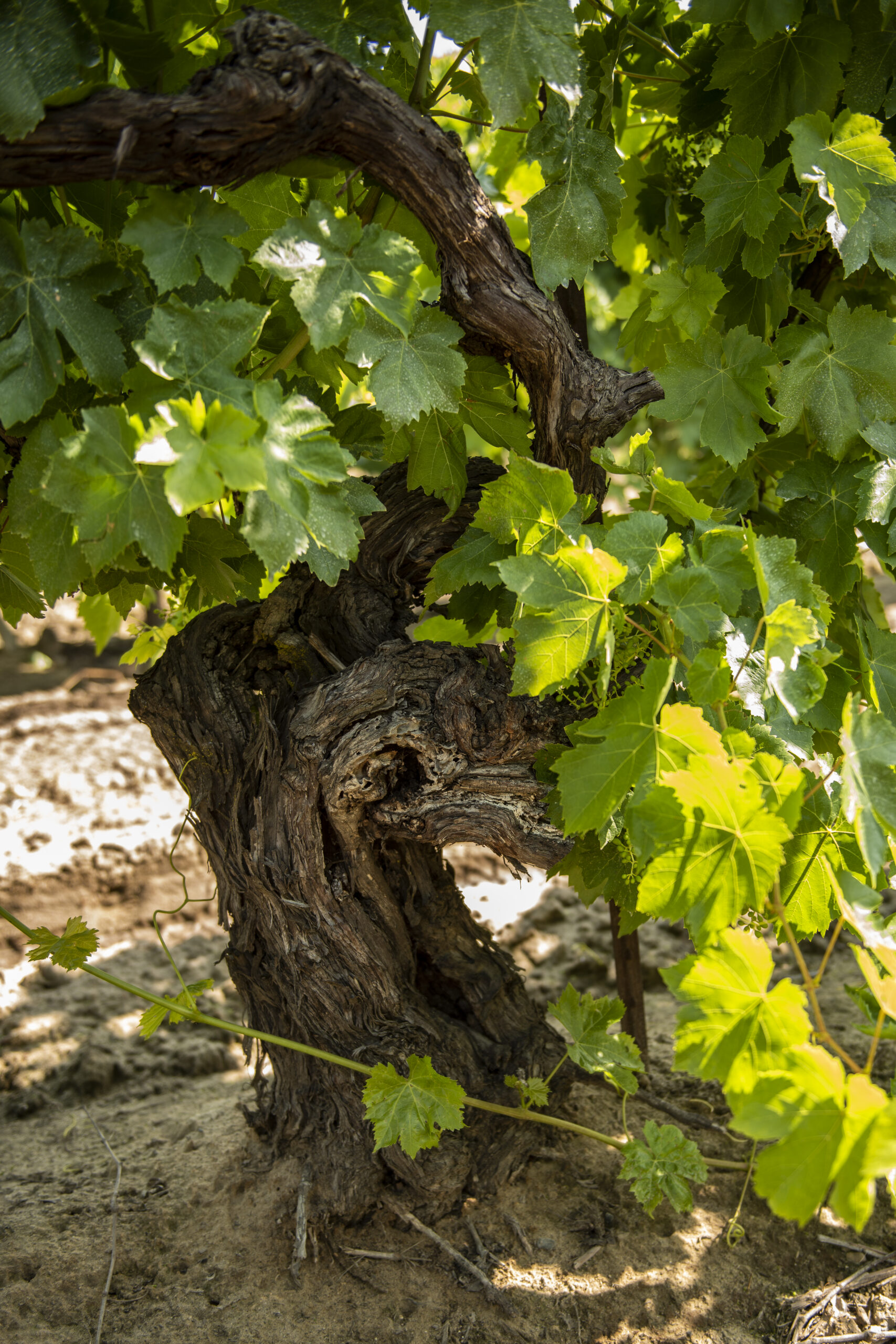
Vineyards are often strong candidates for on-farm recharge. They tend to use less nitrogen fertilizer than many other crops, reducing groundwater contamination risk, and excess surface water for recharge is typically available in winter — precisely when vines are dormant and can tolerate periodic flooding. The guide pairs Sustainable Conservation’s decade-plus expertise in on-farm recharge with CSWA’s deep knowledge of sustainable winegrowing practices, making it the first resource of its kind designed specifically for California’s winegrape industry.
A Groundwater Recharge Guide for Vineyards is now available here.
An e-fillable version of the Groundwater Recharge Worksheet for Vineyards is now available here.
What is managed aquifer recharge (MAR)?
Groundwater recharge occurs naturally when excess water spreads across a landscape and infiltrates through the soil into the aquifer below. It can be facilitated by diverting water from a conveyance system onto a floodplain, agricultural field, or elsewhere with porous soil. This practice, called Managed Aquifer Recharge (MAR), is among the most cost-effective and scalable strategies to increase the resilience of groundwater aquifer supplies, while protecting communities from flooding.
The guide helps growers answer site-specific questions about infrastructure, water governance, and agronomic considerations that determine whether MAR makes sense for their vineyard. Topics covered include:
- Understanding MAR and why it matters for SGMA compliance and community water security
- Navigating the legal and regulatory landscape, including water rights and local water governance
- Evaluating site suitability: soils, slope, infrastructure, and water sources
- Protecting vine health during recharge, including rootstock flood tolerance and seasonal recharge timing
- Managing water quality risks from nitrates and restricted pesticides
- Exploring alternative approaches when direct flooding isn’t feasible, from recharge basins to dry farming to in-lieu recharge
- Understanding costs, incentives, and available financial assistance
A Decision-Support Tool
From assessing site suitability for MAR to calculating appropriate water application rates by soil type, the guide is structured around practical decisions growers face at each stage of planning. A companion worksheet walks growers through each question and produces a ready-made outline they can bring to a Technical Service Provider, irrigation district, or GSA to develop a full Groundwater Recharge Plan.
The guide also features an insider look at on-farm recharge pilots underway in Sonoma County, where the Santa Rosa Plain GSA and grower partners are testing whether existing drip and sprinkler systems can effectively recharge groundwater. Early results show yield benefits alongside water supply gains.
The guide is available here:
Acknowledgments
This guide reflects the contributions of many individuals and organizations across California’s winegrowing and water management communities. Sustainable Conservation and CSWA thank the growers, GSA staff, technical advisors, and pilot project partners whose experience and feedback shaped the guidance.
About Sustainable Conservation
For over 30 years, Sustainable Conservation has united people across business, agriculture, and government to steward California’s vital natural resources. Our programs promote practical solutions that enhance environmental and economic sustainability, focusing on water, land, and air quality. For more information, visit www.suscon.org and follow us on Twitter, LinkedIn, Facebook, Instagram, and YouTube.
About the California Sustainable Winegrowing Alliance
CSWA is a nonprofit organization that encourages the adoption of sustainable winegrowing and winemaking practices across California through education, outreach, certification, and partnerships. Learn more at sustainablewinegrowing.org.
Media Contact:
Eric Epstein
Associate Communications Manager, Sustainable Conservation