
Authored by Ryan Wakefield, Sustainable Conservation GrizzlyCorps Fellow. Blog 1 of 4 in a series breaking down the DWR Watershed Studies.
Climate change presents significant and varied challenges in the San Joaquin Valley.
The San Joaquin Valley Flood-MAR Watershed Studies, recently released by the Department of Water Resources (DWR), evaluated potential climate change impacts by 2050 on the five main tributary watersheds to the San Joaquin River (the Calaveras, Stanislaus, Tuolumne, Merced, and Upper San Joaquin,) and how specific water management strategies like Flood-Managed Aquifer Recharge (Flood-MAR) may mitigate these impacts.
The Watershed Studies are a novel approach to modeling climate change impacts at the watershed scale, from precipitation trends in the upper watershed to groundwater behavior beneath the Valley floor. While climate change presents a unique web of challenges to the San Joaquin Valley’s groundwater supplies, flood risk, and ecosystem health, the watershed studies show how coordinated interventions can offer a sustainable way forward.
Across the five watersheds modeled in the studies, rising temperatures associated with climate change are poised to shift both the volume and timing of surface water runoff from the Sierra Nevada. Warmer temperatures are expected to reduce surface water runoff and increase evaporative demand across the Valley, reducing overall surface water availability. Warmer temperatures will also cause California’s snowpack to melt earlier in the year, while a warmer atmosphere that holds more moisture will lead to more intense atmospheric rivers in the winter months.
This seasonal shift in runoff means the region will face more intense deluges in the wet season, increasing flood risk, while less surface water will be available during the dry season for farms, communities, and ecosystems. Additionally, as climate change threatens to both reduce overall surface water availability and shift precipitation patterns, dependence on groundwater to reliably meet water needs in the growing season could increase significantly. If so, this would only exacerbate the already significant over-pumping of groundwater in the region.
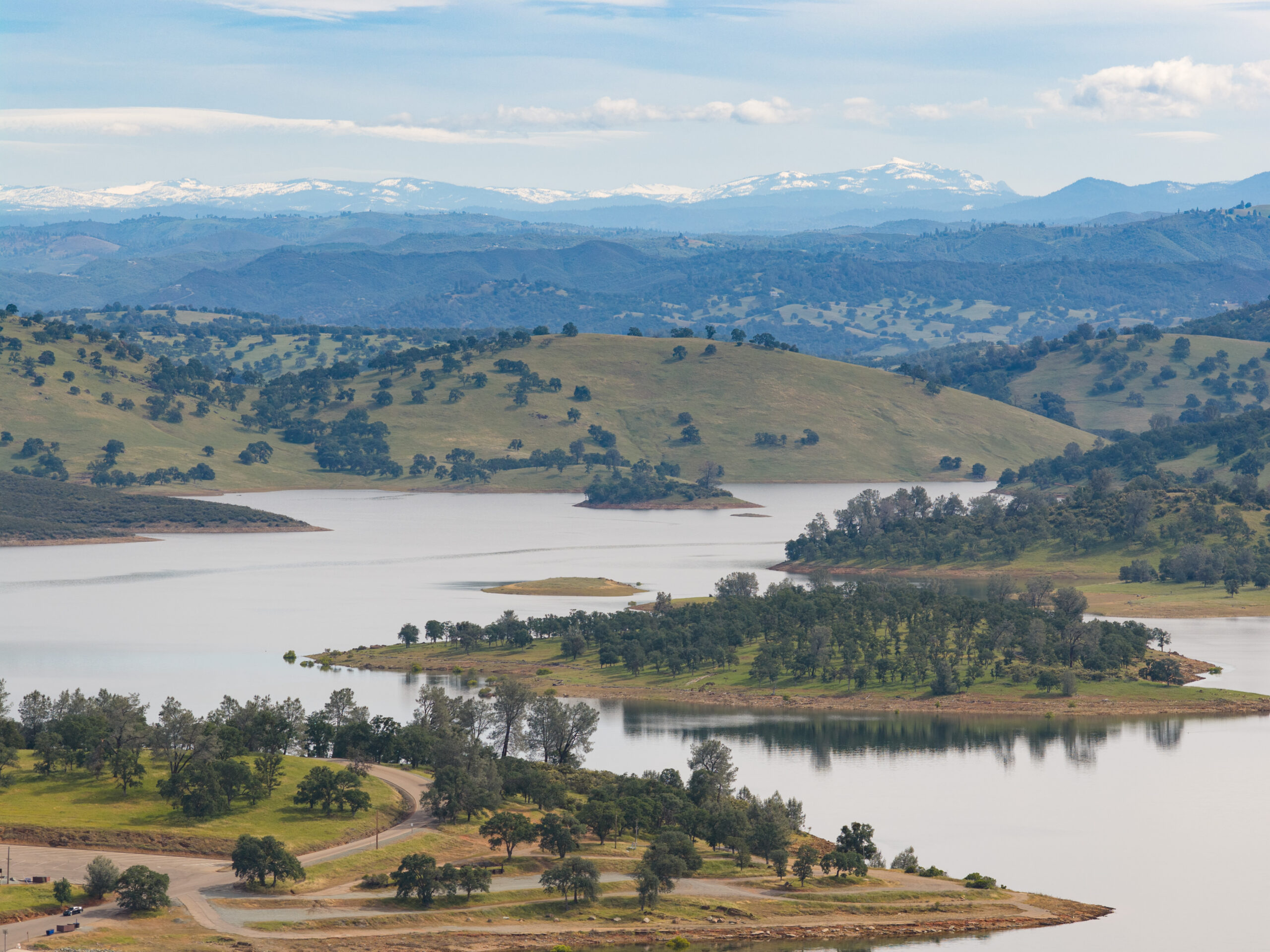
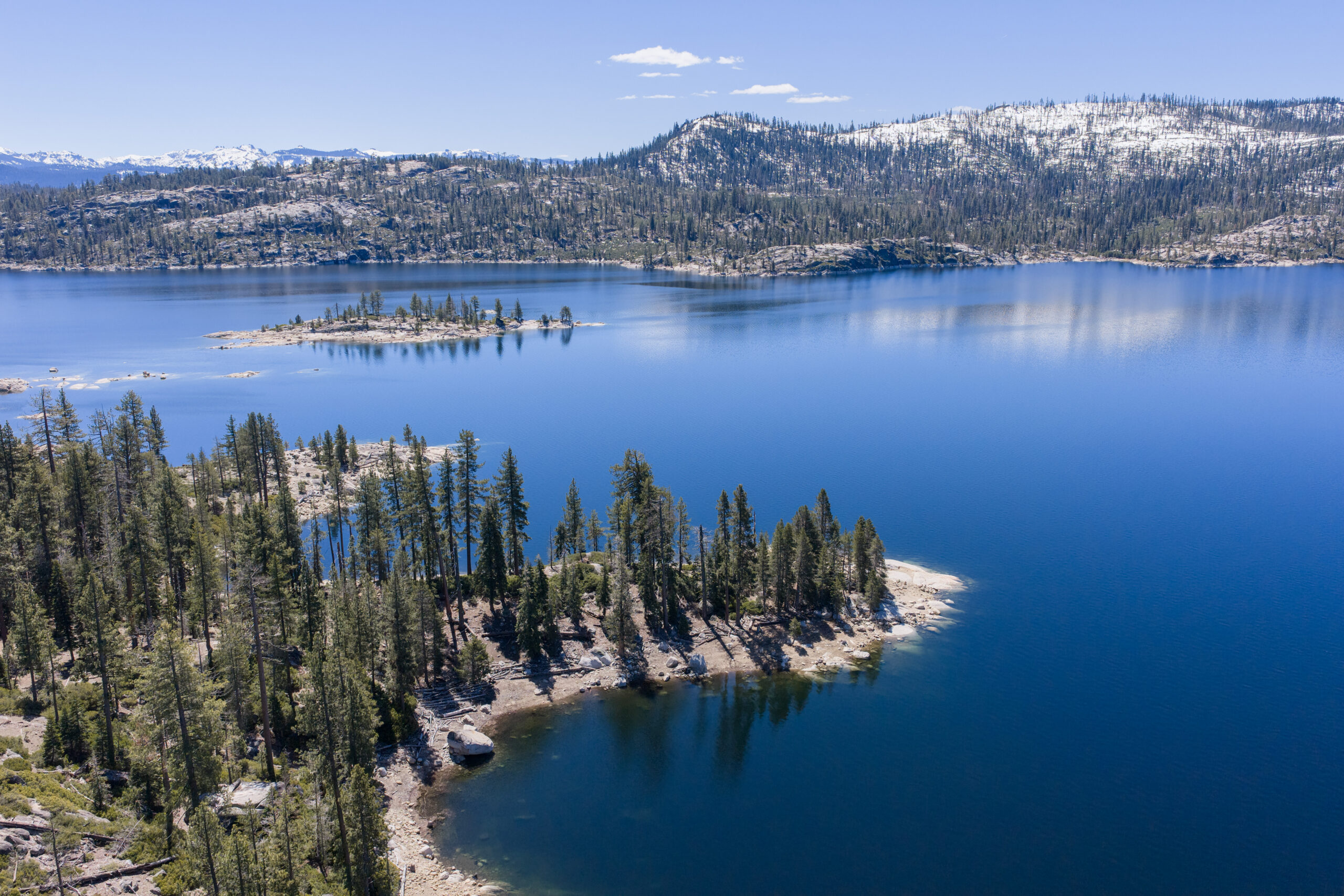
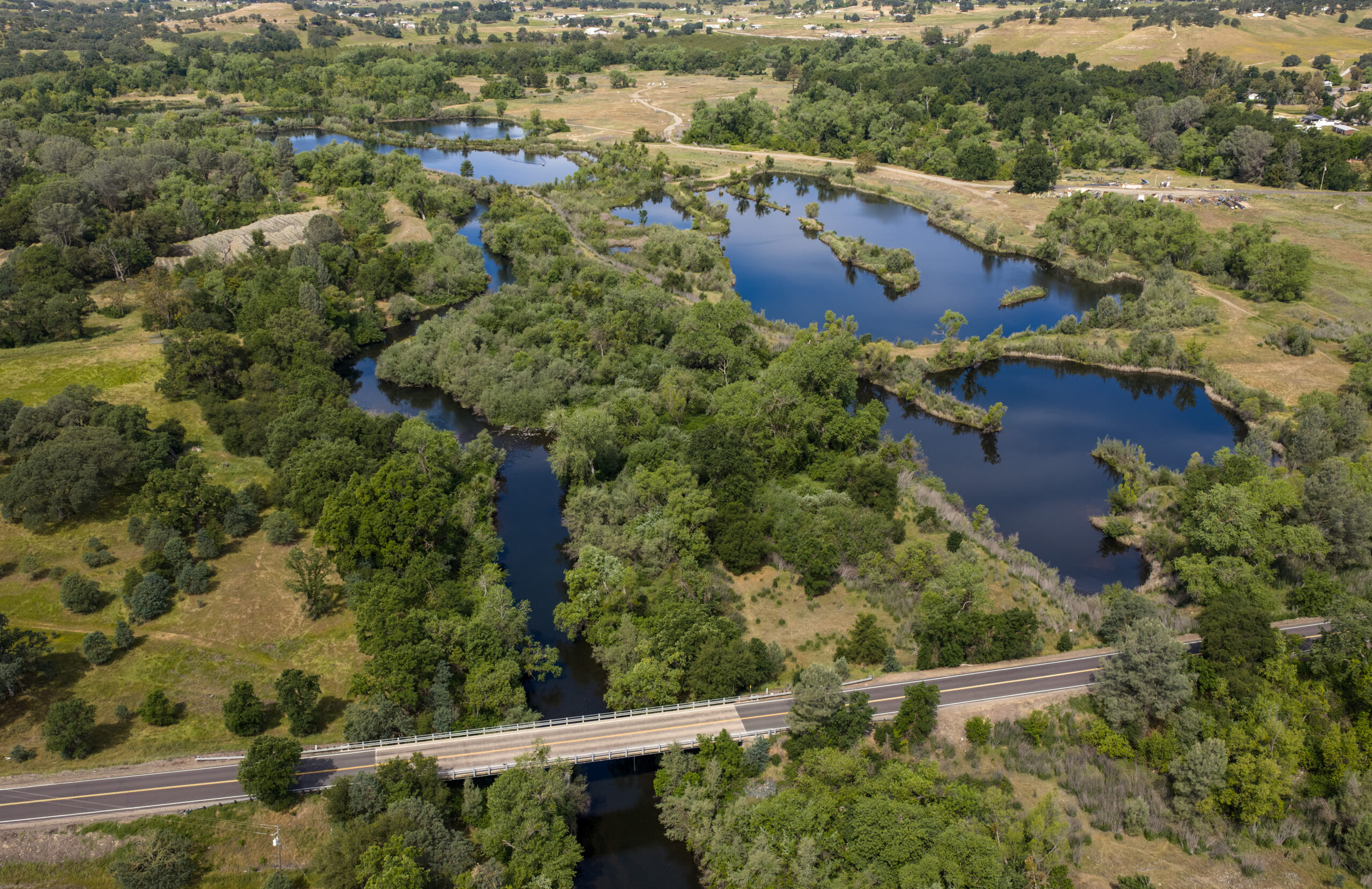
Reservoirs and waterways included in the focus area of the San Joaquin Valley Flood-MAR Watershed Studies. All photos courtesy of DWR
How did the Watershed Studies model these anticipated impacts, and how can Flood-MAR help offset them?
Climate change impacts were modeled using a range of possible shifts in metrics including average temperature, mean annual precipitation, extreme precipitation, and sea level rise. These watershed performance metrics were coupled with the latest global climate modeling data and an integrated ‘Atmosphere to Aquifer’ toolset to track water movement and availability. Possible outcomes were averaged to produce an ‘Average Future’ climate change scenario, while a more stressed and higher-risk scenario was identified as a ‘Contingency Future’ climate change scenario.
The San Joaquin Valley Watershed Studies are especially exciting because they incorporate additional tools like Sustainable Conservation and Earth Genome’s Groundwater Recharge Assessment Tool (GRAT), groundwater interaction models, and reservoir operations models. With these, the studies were able to model the degree to which two management scenarios, referred to as MAR-90/20 and Integrated Forecast-Informed Resource Management (I-FIRM), could each offset these anticipated climate change impacts.
MAR-90/20 is a lower-volume recharge scenario that shaves off peak flows in streams and conveyance infrastructure for recharge diversions, acting as a more easily implementable near-term strategy within current policy and infrastructure capacity. I-FIRM is a more comprehensive and longer-term scenario that would require updates to policy and infrastructure, with the goal of combining Flood-MAR with reservoir releases to drastically increase water available for recharge.
Climate change will stress California’s water supply, flood infrastructure, and ecosystems. With these studies, it is possible to model not just how these systems will respond to climate change but also how outcomes can be influenced if these systems are managed differently.
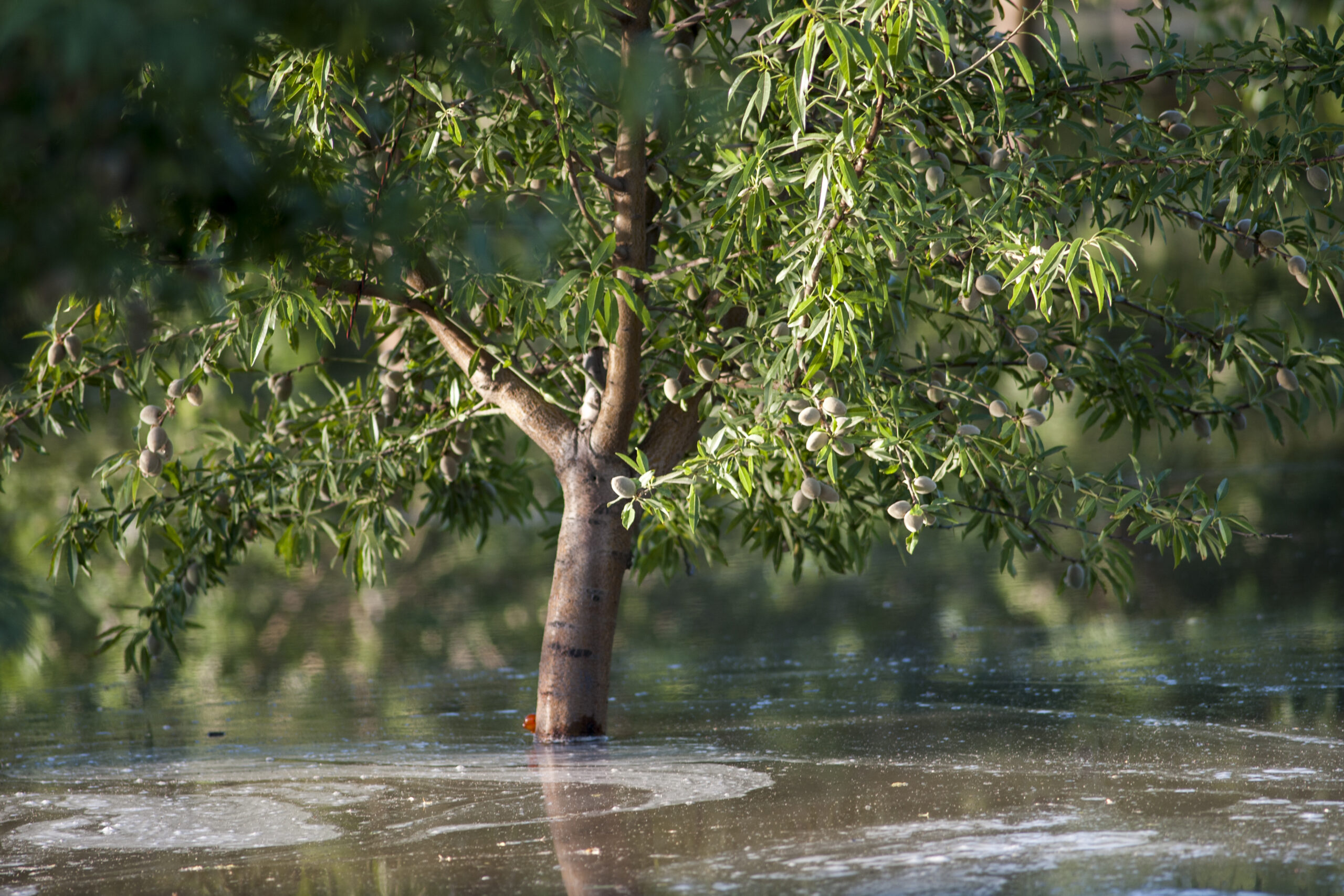
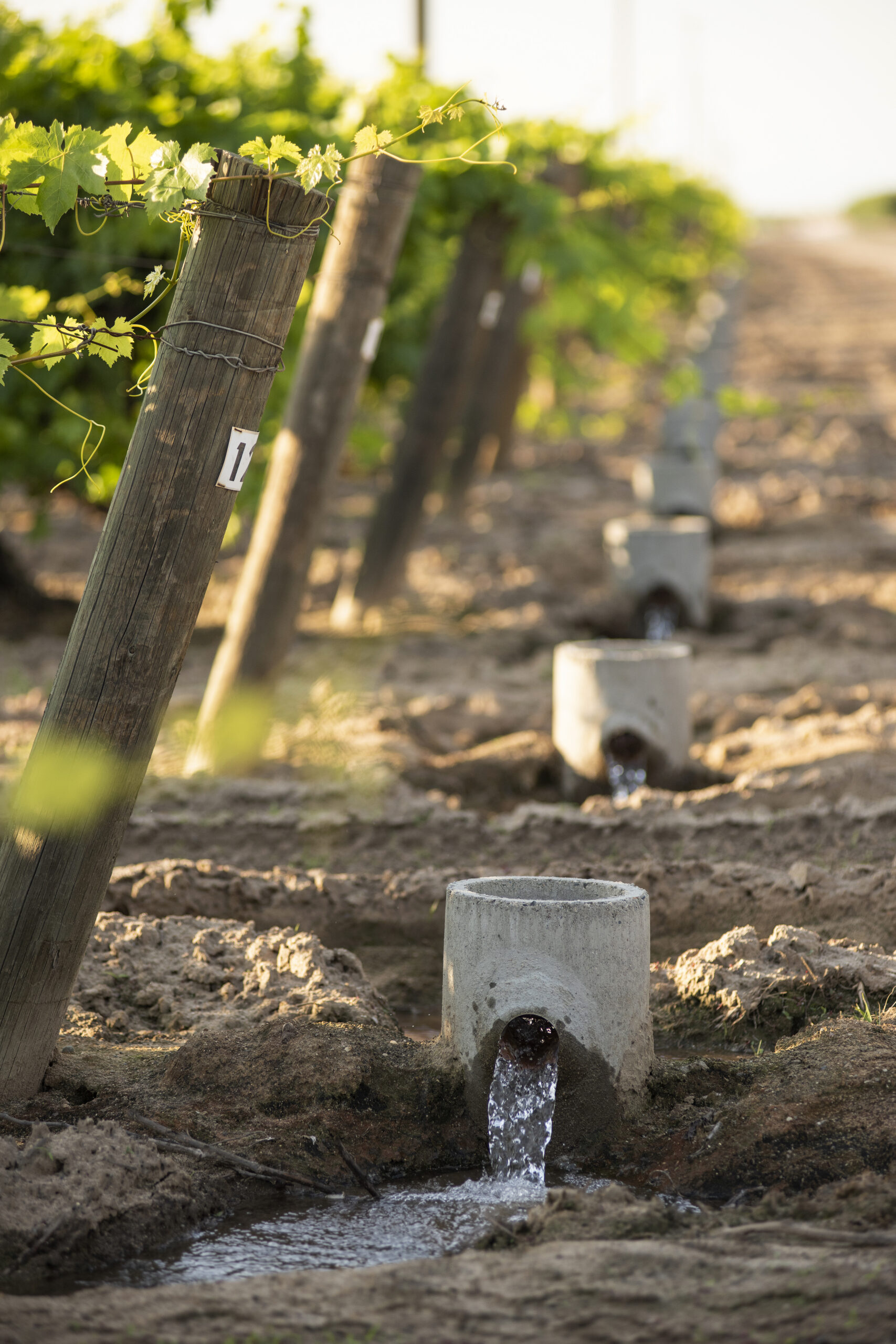
Photos of on-farm groundwater recharge
Climate change impacts and management outcomes differ between watersheds.
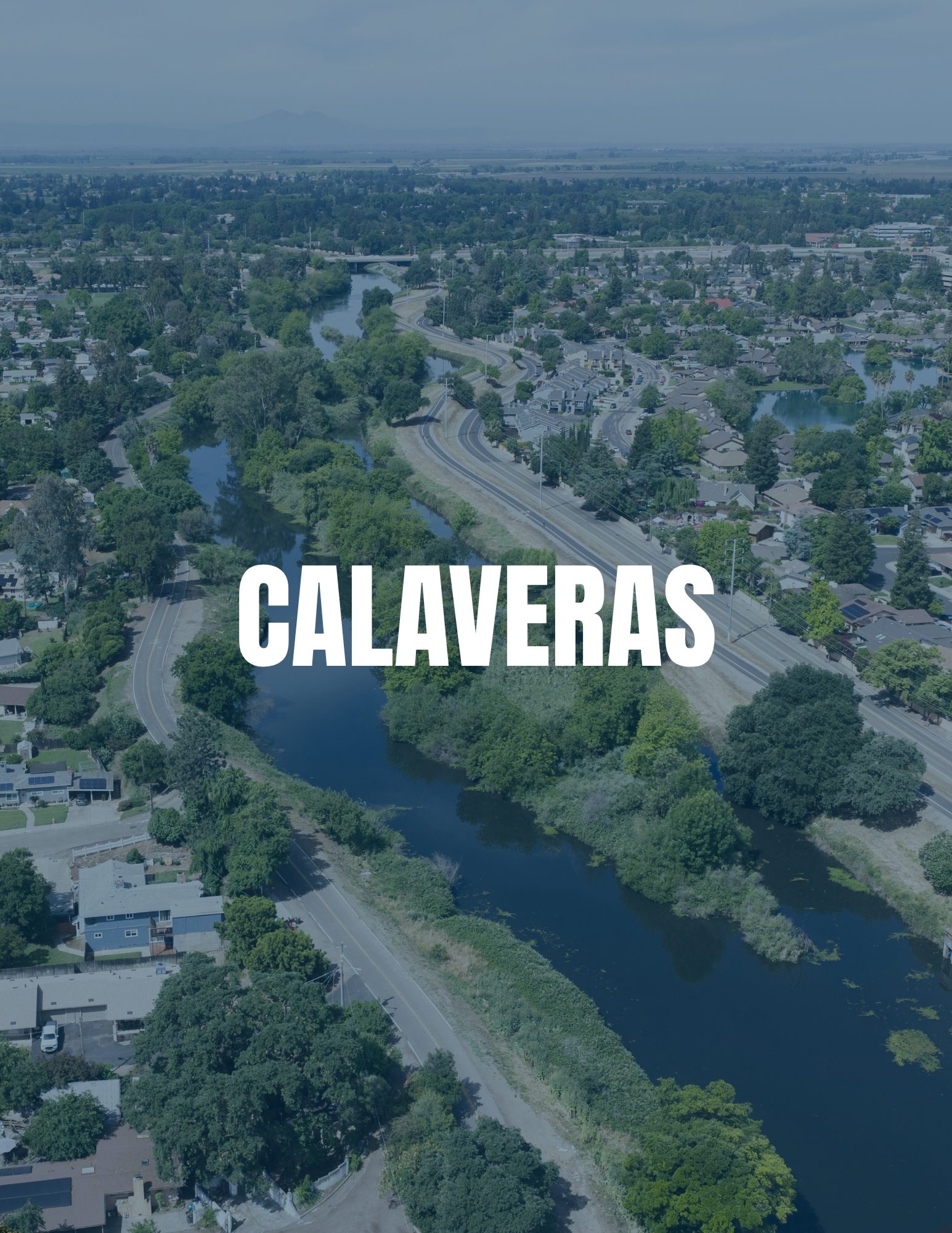
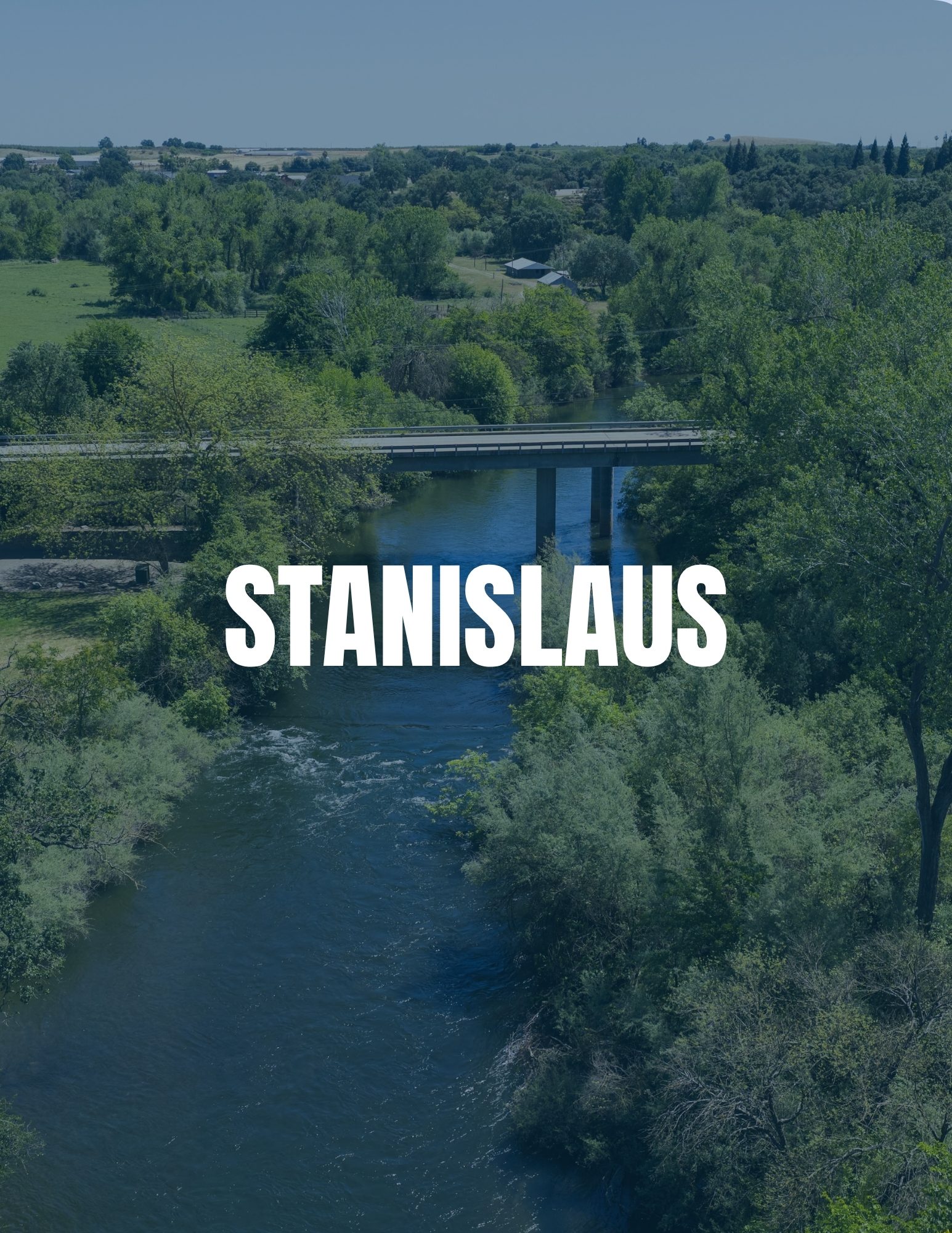
Each watershed in the San Joaquin River Basin has unique characteristics that will affect how climate change might impact its groundwater supply, degree of flood risk, and ecosystem health. For example, the primary reservoirs in the Calaveras and Stanislaus watersheds have ample flood capacity that can tolerate a future with increased peak flows, so these watersheds do not experience the same increase in flood risk with climate change in the DWR model as the three other watersheds.
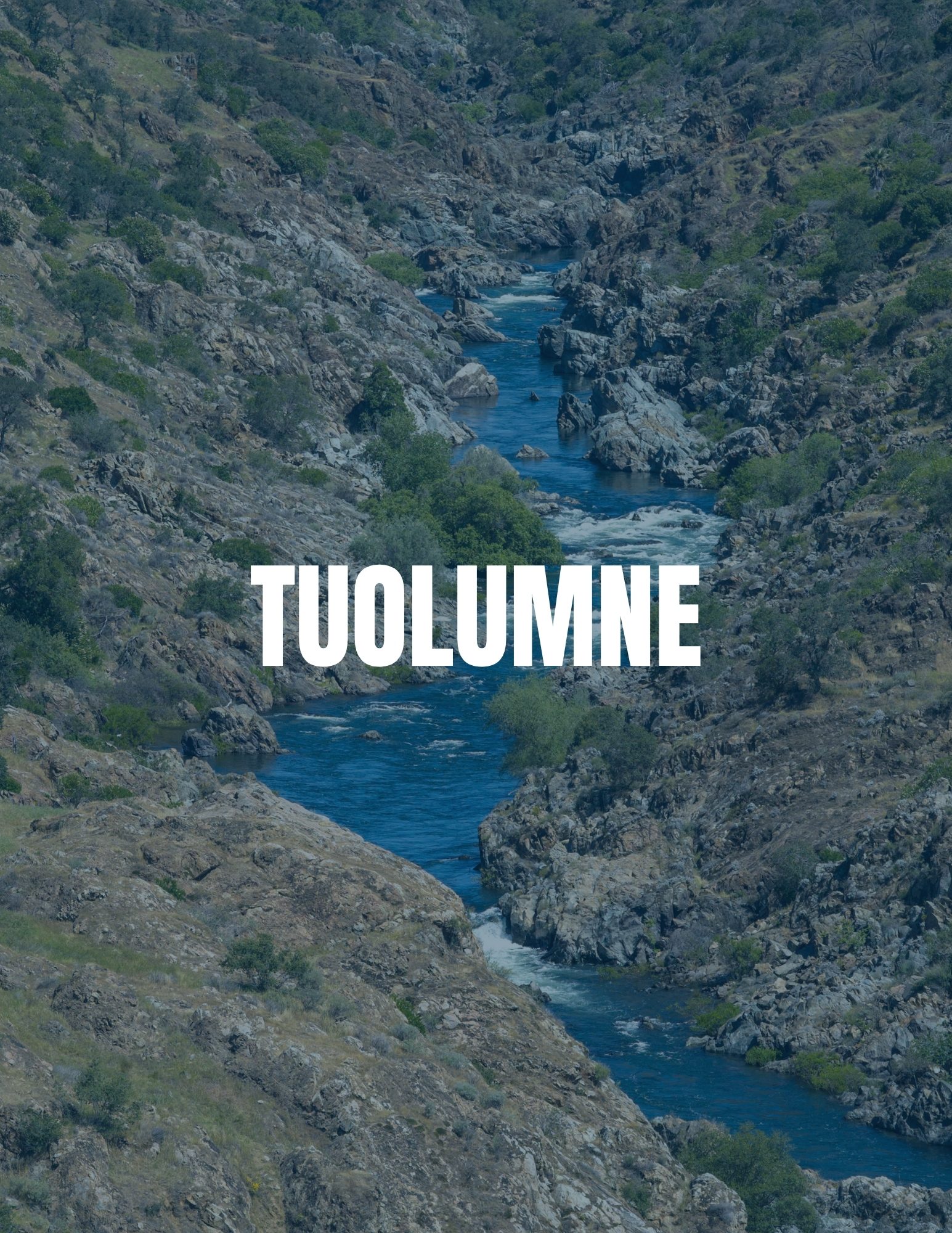
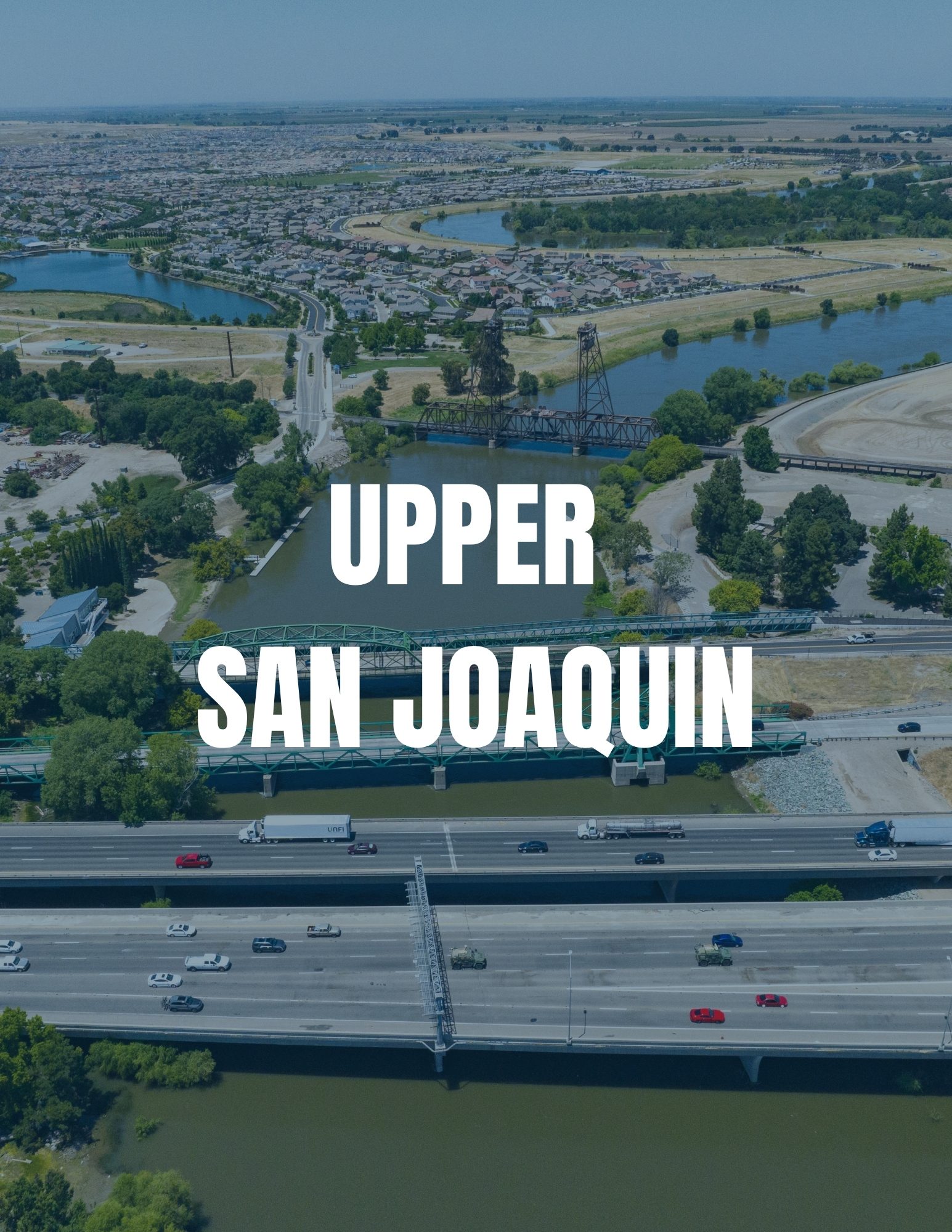
Another example is that because of differences in current groundwater depths, hydrogeologic conditions, and surface water availability, the Tuolumne watershed could see average groundwater levels fall by 12 feet by 2050, while in the Upper San Joaquin watershed these levels may fall by an average of 42 feet. Climate change will put unique and significant stress on each system, and novel management approaches are needed to build watershed resilience.
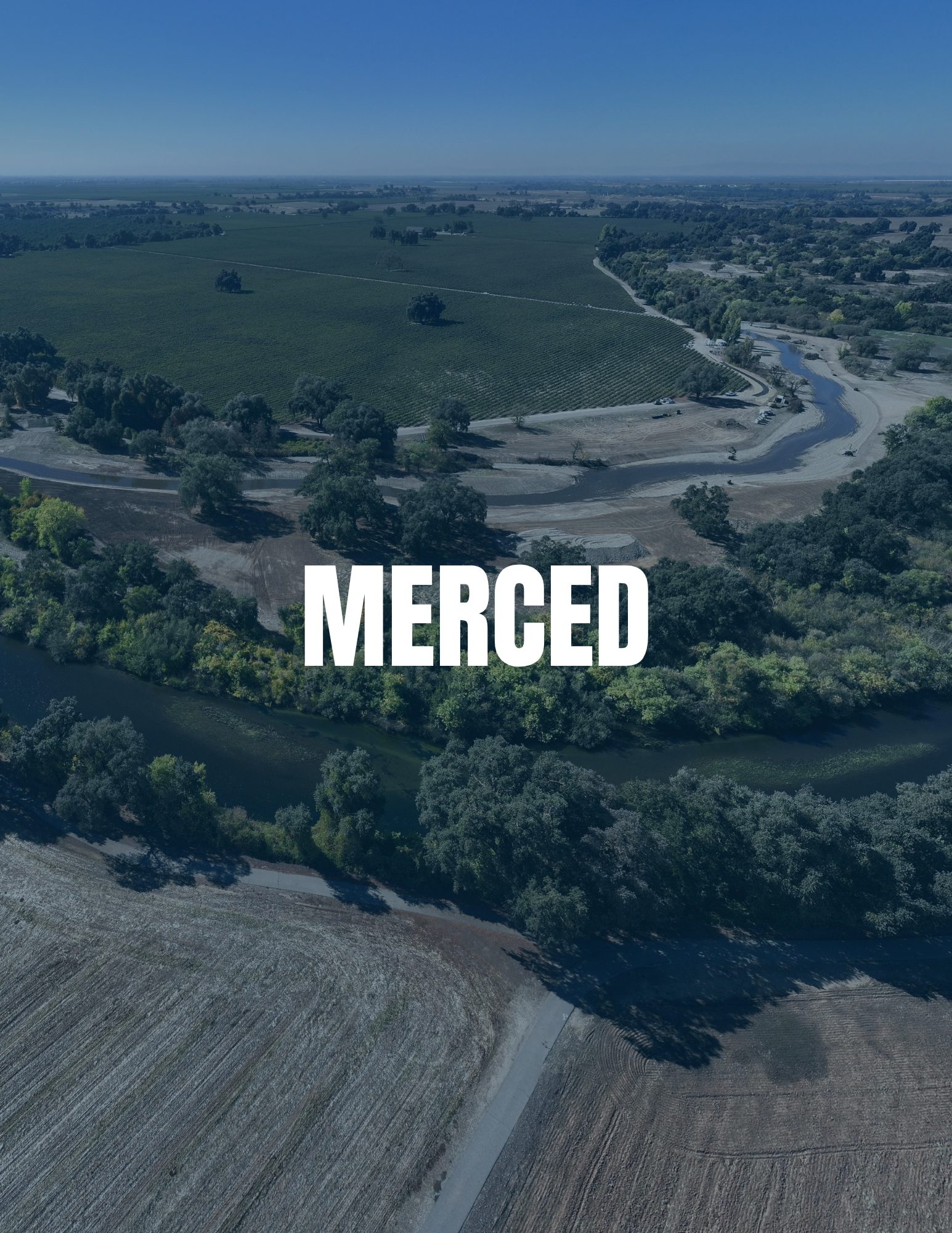
While I-FIRM could entirely offset expected increases in groundwater overdraft in the Merced and Tuolumne watersheds, it does not eliminate existing groundwater overdraft in any of the five watersheds. In the Upper San Joaquin watershed especially, groundwater overdraft conditions remain dire even with I-FIRM.
The five San Joaquin River Basin watersheds at a glance:
The MAR-90/20 and I-FIRM management strategies aim to turn the challenge of shifting precipitation patterns into a solution. By using advances in weather forecasting, water managers can strategically operate reservoirs to capture the increased winter flows that climate change will bring to downstream reservoirs and direct those new supplies to farmland for on-farm groundwater recharge at scale. Combining these operational strategies can turn floodwater into a valuable resource that replenishes groundwater supplies and reduces flood risk across the Valley. This capacity for Flood-MAR to transform distinct challenges into integrated solutions highlights its potential as a true climate-adaptive strategy.
I-FIRM can be effective, but collaboration and complementary management strategies are essential.
The acute groundwater overdraft conditions facing the San Joaquin Basin today are the result of decades of over-pumping. Bringing the region into sustainable groundwater use will require an immense coordinated effort and a suite of complementary strategies. The watershed studies illustrate that an integrated resource management strategy like I-FIRM can deliver substantial benefits as a part of that suite, offering improved flood control, reduced groundwater overdraft, and improved habitat for groundwater-dependent ecosystems, salmonids, and shorebirds. However, it will not be the solution on its own. Additional strategies such as land repurposing, where irrigated farmland is taken out of production, are needed to reduce water demand and achieve long-term sustainability for groundwater supplies, flood risk, and ecosystem health.
It is also important to recognize that these modeled outcomes reflect just one possible future based on a specific set of assumptions. In reality, conditions and responses will evolve over time, creating opportunities to shape a more desirable future for each of the five watersheds and the San Joaquin Basin as a whole. While these studies help illustrate how Flood-MAR can contribute positively to California’s water future, they focus primarily on expanded recharge efforts and do not evaluate other management approaches that will be essential for achieving long-term sustainability.
Looking forward, collaboration among growers, water districts, Groundwater Sustainability Agencies, reservoir operators, flood control agencies, community groups, and environmental organizations will be critical to developing and implementing multi-benefit solutions. The Watershed Studies should serve as a roadmap for pursuing collaboration and innovative, integrated management strategies to navigate the challenges that climate change will bring to our water supply sector. Ultimately, real-world outcomes in the Upper San Joaquin watershed will be shaped by the collective decisions of local water and land managers, growers, and the communities that depend on these systems.
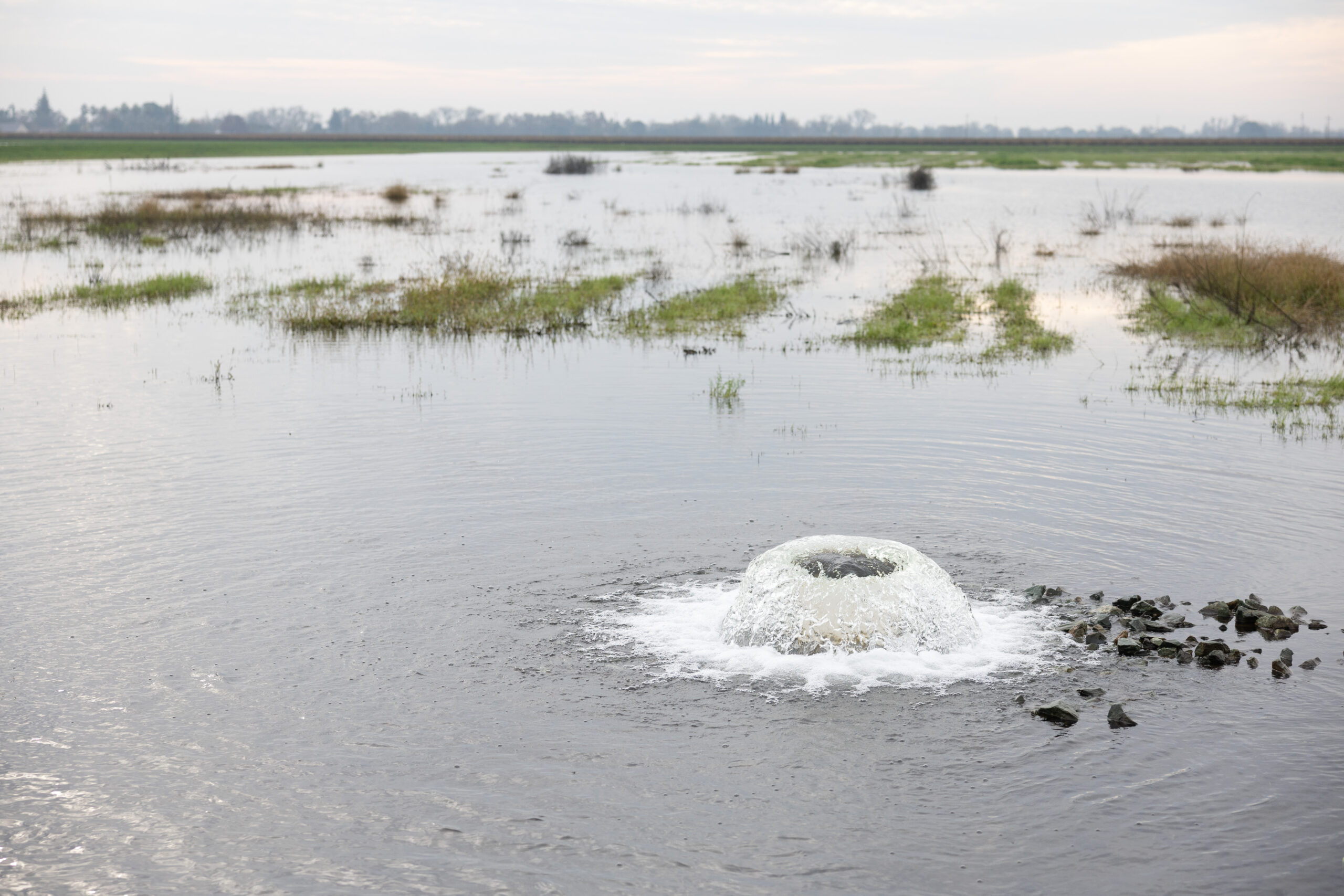
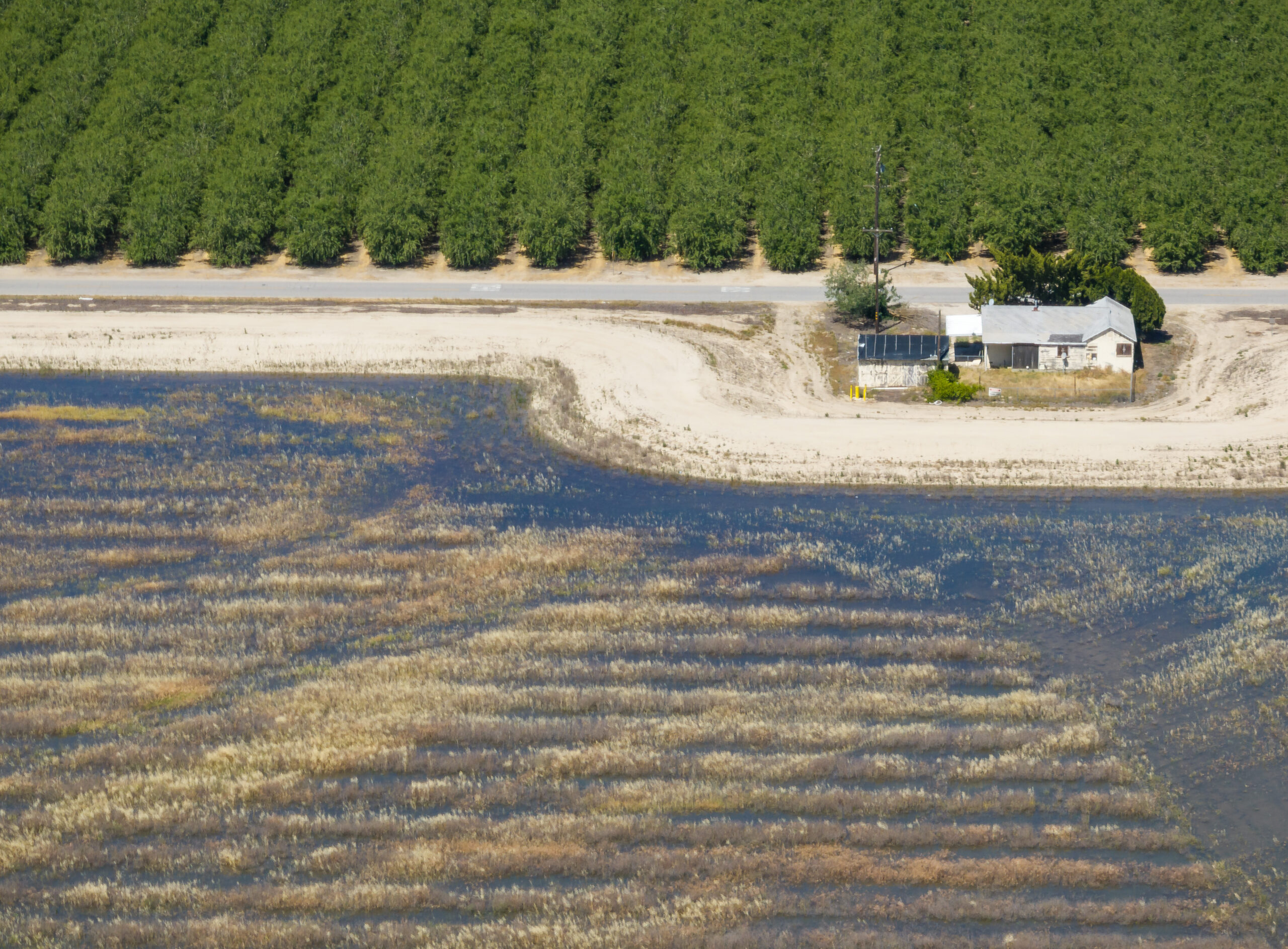
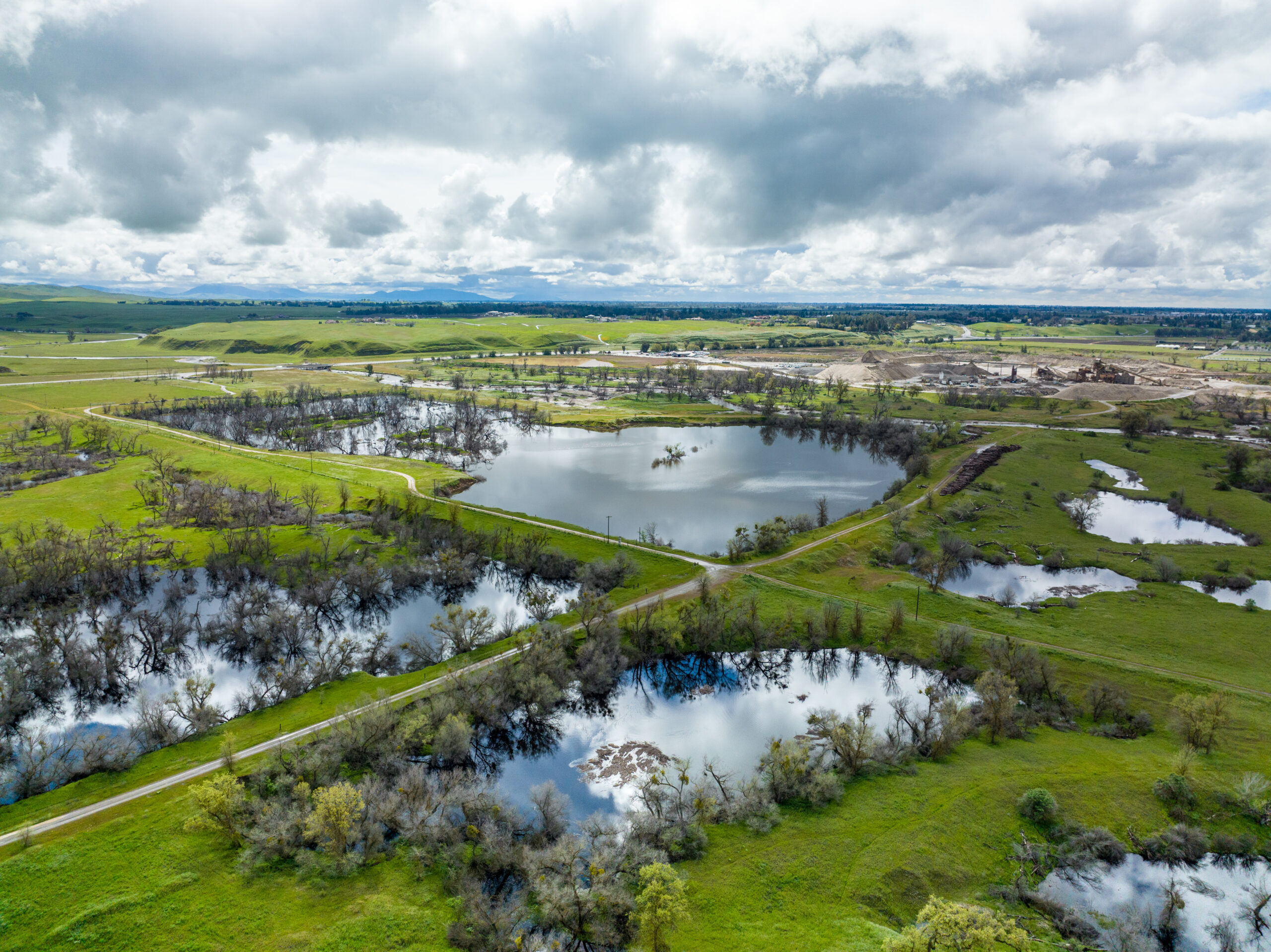
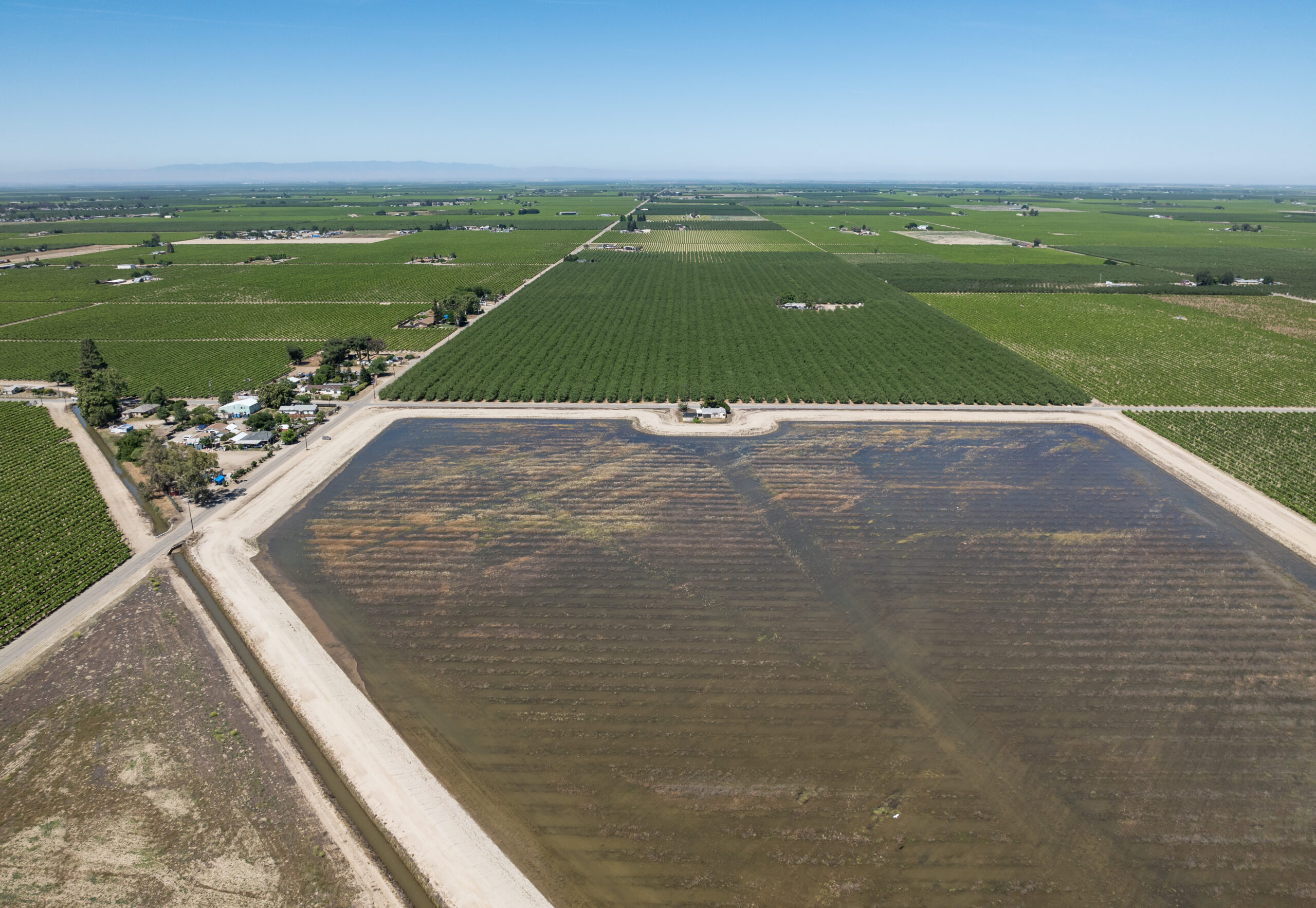
Photos of Flood-MAR. All photos courtesy of DWR