Tag Archives: Accelerating Restoration

A Snapshot of California’s First Nature-Based Solutions Summit

On January 29, 2026, the California Natural Resources Agency (CNRA) hosted California’s first Nature-Based Solutions Summit, bringing together a diverse group of leaders to share experiences, offer insights, and discuss next steps. Nature-based solutions are not a side dish; they are the full meal. They are investments in public safety, economic resilience, workforce development, and cultural restoration.

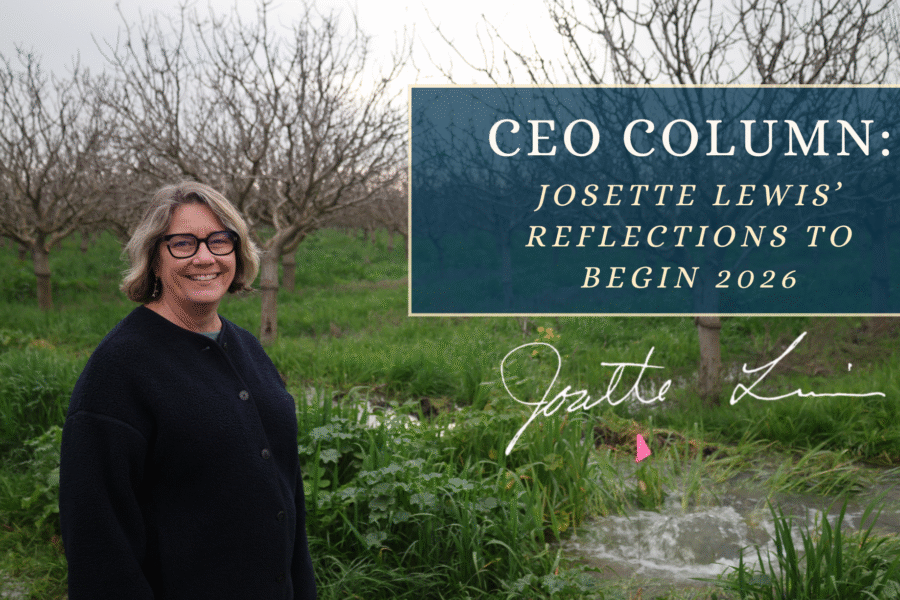
CEO Column: Josette Lewis’ Reflections to Start 2026

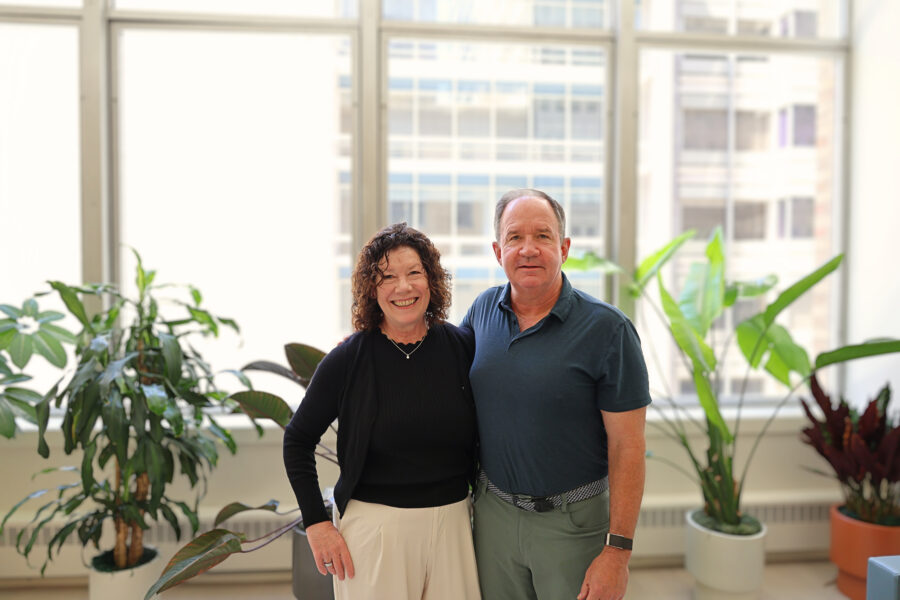
“There is no miracle prescription that will solve all of California’s climate and natural resource challenges, but a combination of science-backed solutions that can be feasibly scaled across the state is what gives me hope right now.”

Restoration Round-Up: A Scott River Restoration Story

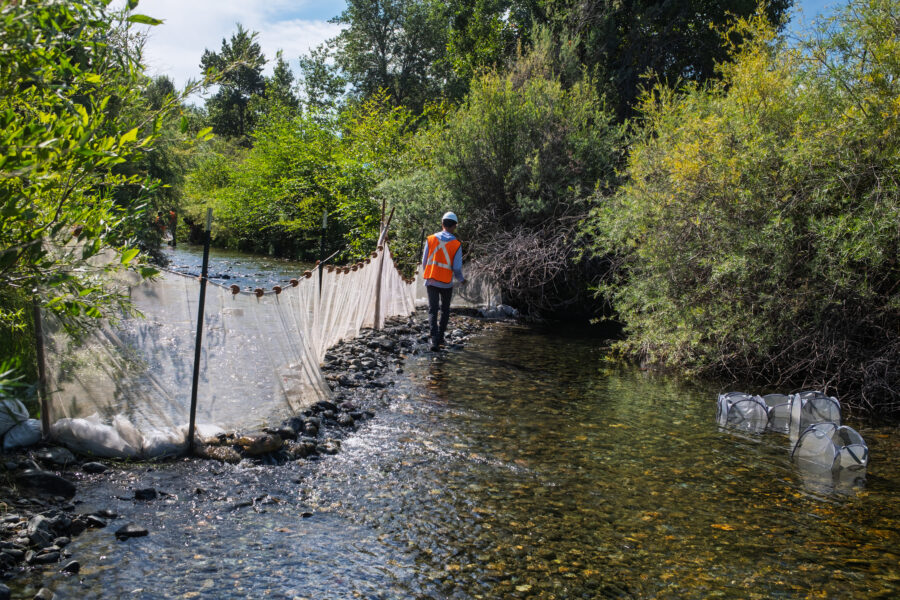
“The Yurok Tribe worked hard to build a bridge, based on trust and mutual respect, between local tribes, local farmers and residents, and CalTrout,” said Barry McCovey, the director of the Yurok Tribe Fisheries Department. “Together, we are working to fix two of the biggest threats to salmon in the Scott River Valley by restoring fish habitat and modernizing water conveyance infrastructure. This mutually beneficial outcome could only be achieved through collaboration.”

Notes from the Field: Central Valley Climate Resilience Tour

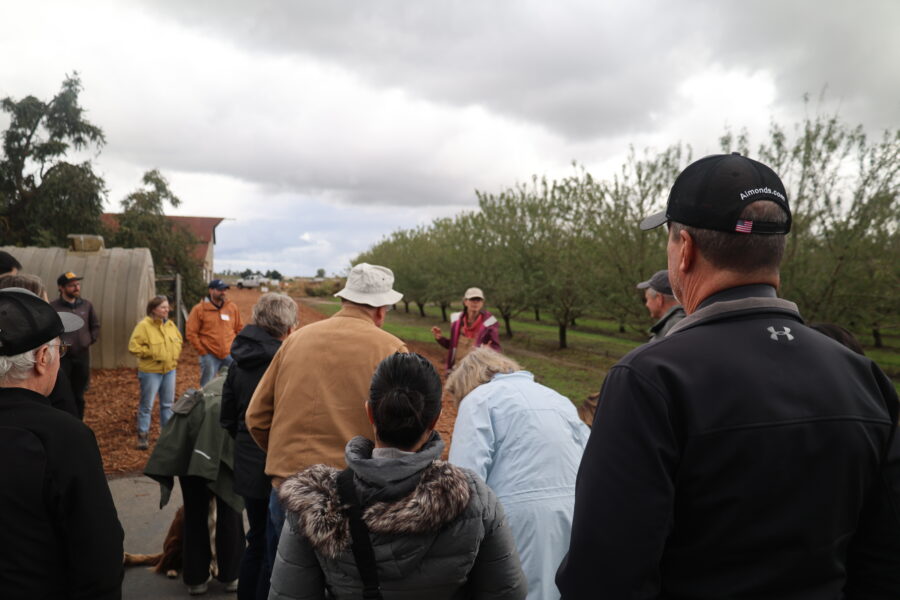
On October 14th, more than 30 Sustainable Conservation community members, donors, Board members, and staff piled into a tour bus for a jam-packed day of sightseeing cutting-edge climate resilience projects throughout the Central Valley.

Restoration Round-Up: Arroyo Grande Creek Stream Gauge Modification Project

Investing in faster, more cost-effective regulatory processes for restoration pays dividends for both ecosystems and the communities that depend on them. Thanks to a coalition of local partners led by Creek Lands Conservation (CLC), the Arroyo Grande stream gauge has now been modified to allow federally threatened South-Central California Coast (SCCC) steelhead to once again access eight miles of upstream spawning and rearing habitat.

Notes from the Field: Lagunitas Creek Watershed Enhancement Project Field Trip

On June 12th, Sustainable Conservation community members, program partners, and staff met up at Lagunitas Creek in Marin County to see the recent improvements to native fish habitat and stream functions through the Lagunitas Creek Watershed Enhancement Project — and to witness the positive impact of simplifying California’s permitting processes to implement restoration projects faster, more affordably, and at scale.

Restoration Round-Up: South Fork Ten Mile Habitat Enhancement

The Ten Mile River, flowing through coastal Mendocino County, provides vital habitat for California’s endangered coho salmon. The Nature Conservancy (TNC) has been leading habitat restoration efforts in the Lower Ten Mile River watershed for over a decade. Their latest project, the South Fork Ten Mile Habitat Enhancement — Phase 2, represents a significant step in revitalizing key salmon habitat and restoring natural floodplain functions.