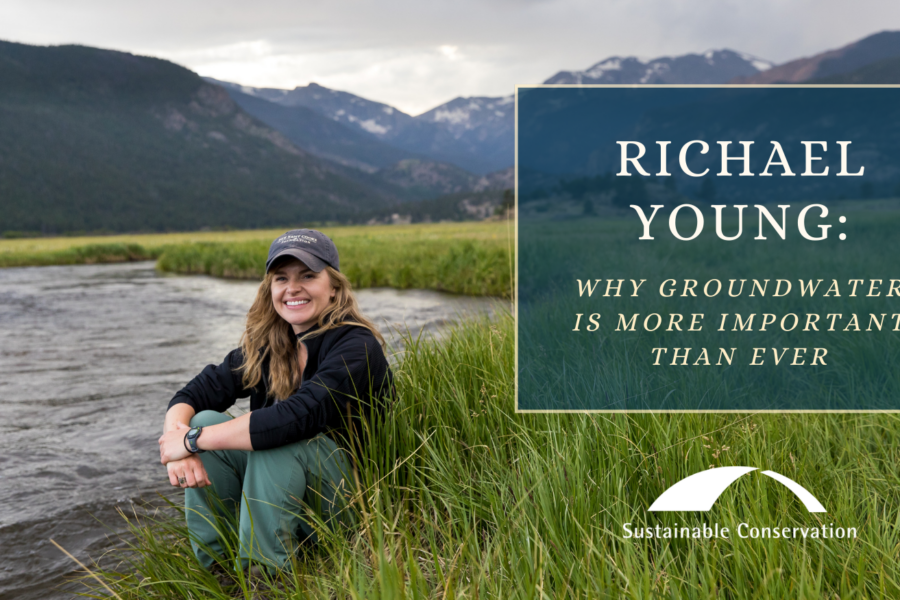
Richael Young: Why Groundwater is More Important than Ever
Sustainable Conservation’s team is hard at work to scale multibenefit groundwater recharge to capture water in wet years, store it underground, and make it available in dry years.

Sustainable Conservation’s team is hard at work to scale multibenefit groundwater recharge to capture water in wet years, store it underground, and make it available in dry years.

Cover crops are a known practice in California agriculture for reducing water runoff, increasing the amount of water that can infiltrate and stay in the soil, improving biodiversity, limiting groundwater pollution, and supporting better air quality, among other benefits. But under the Sustainable Groundwater Management Act (SGMA), concerns persist about whether cover crops “count against” growers’ limited water budgets and begs the question, is cover cropping worth the risk?
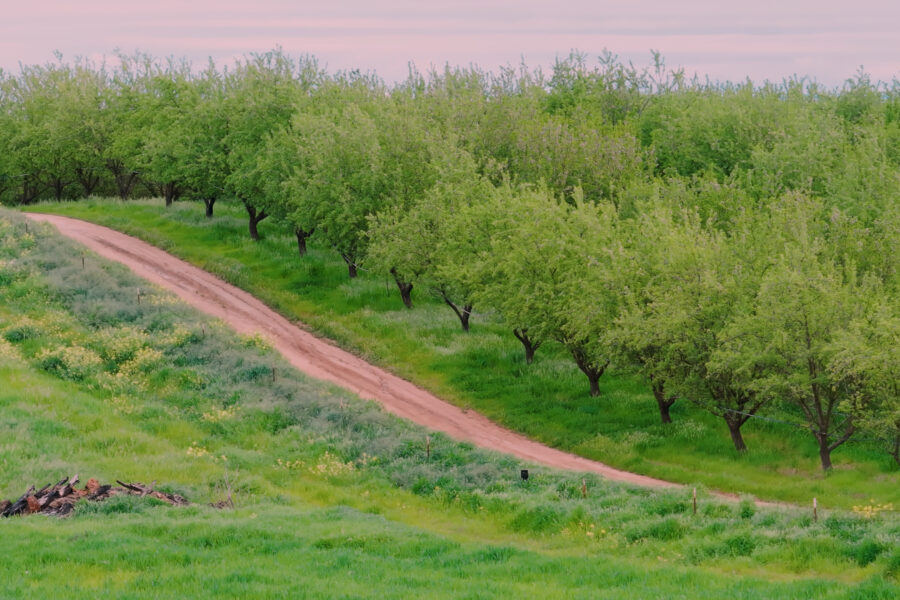
Sustainable Conservation and the Community Alliance with Family Farmers (CAFF), along with UC ANR and other partners, have released a new guidance document — Cover Cropping in California’s Water Scarce Environments — to help growers harness the many benefits of cool-season cover crops while reducing water use. As farmers adapt to a changing water supply, this guide provides practical considerations about cover crop species, timing, and management to reduce runoff, increase infiltration and water retention, and bolster overall soil health.

The Newsom Administration has taken an important step toward improving California’s flood safety and water resilience by issuing Executive Order (EO) N-16-25, which waives the requirement for local planning documents to include flood threshold definitions that indicate when groundwater recharge diversions can occur. This temporary waiver allows recharge diversion efforts to begin when local agencies…
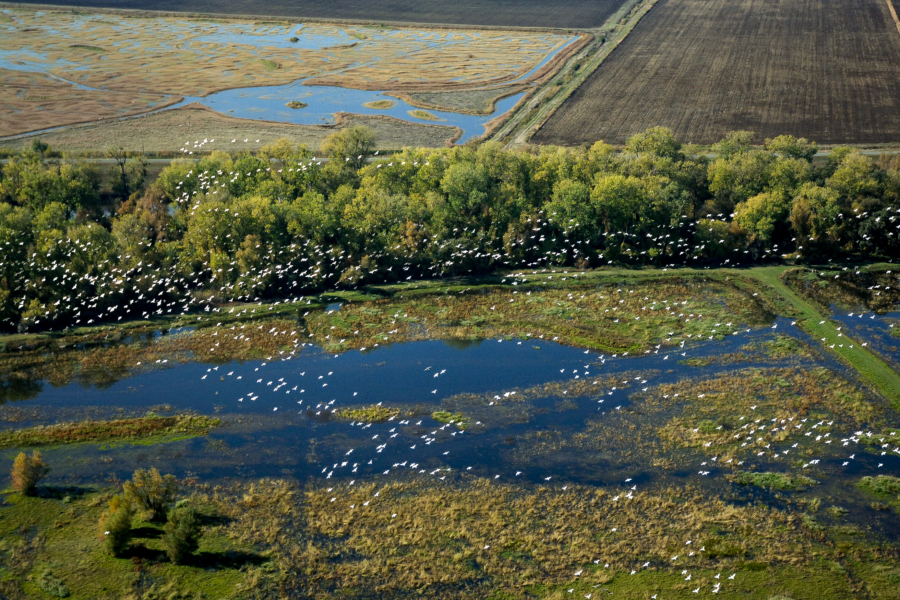
Read Sustainable Conservation’s top 5 blogs of 2024 – from habitat restoration and community webinars to cover crops and water sustainability, it was a busy year!
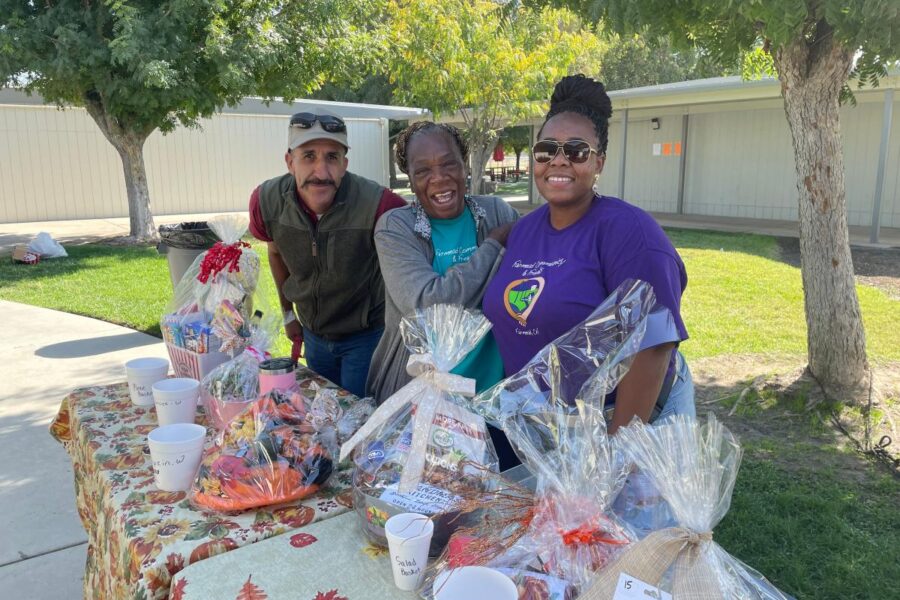
Practical strategies for how to manage and broaden recharge benefits for communities, ecosystems, agriculture, and flood risk reduction.
Proposition 4 offers a significant opportunity to mitigate these disasters and bolster our state’s environmental resilience for decades to come. This critical funding initiative — which will appear for all Californians on the November ballot — presents historic investment in nature-based solutions to safeguard both natural resources and the communities that rely on them.
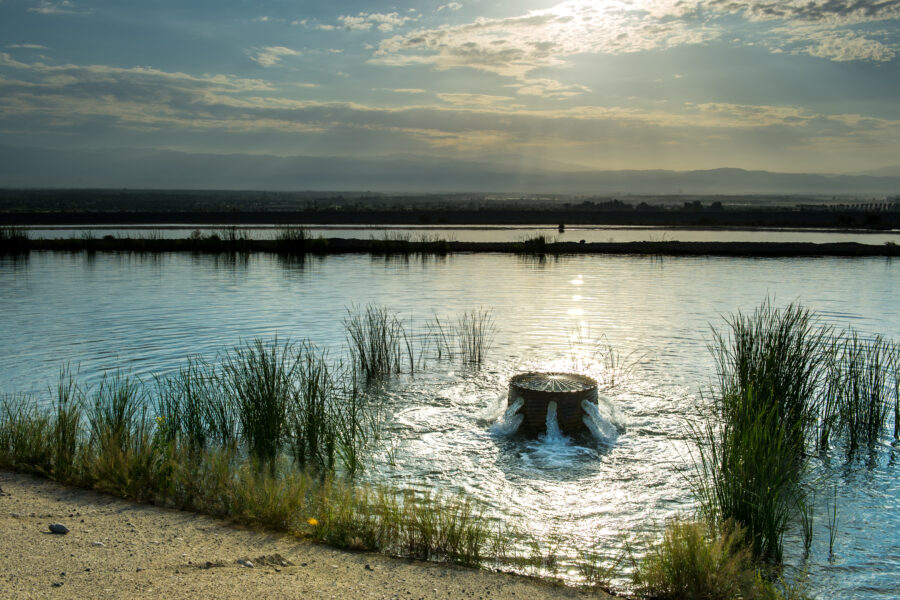
Photo: Kelly M. Grow / California Department of Water Resources On September 4th, we had the distinct privilege of kicking off our 2024 fall webinar series, “Recharging California,” with a conversation between Sustainable Conservation CEO Ashley Boren and Climate Scientist Dr. Daniel Swain. Daniel holds joint appointments as a research scientist within UCLA’s Institute of…
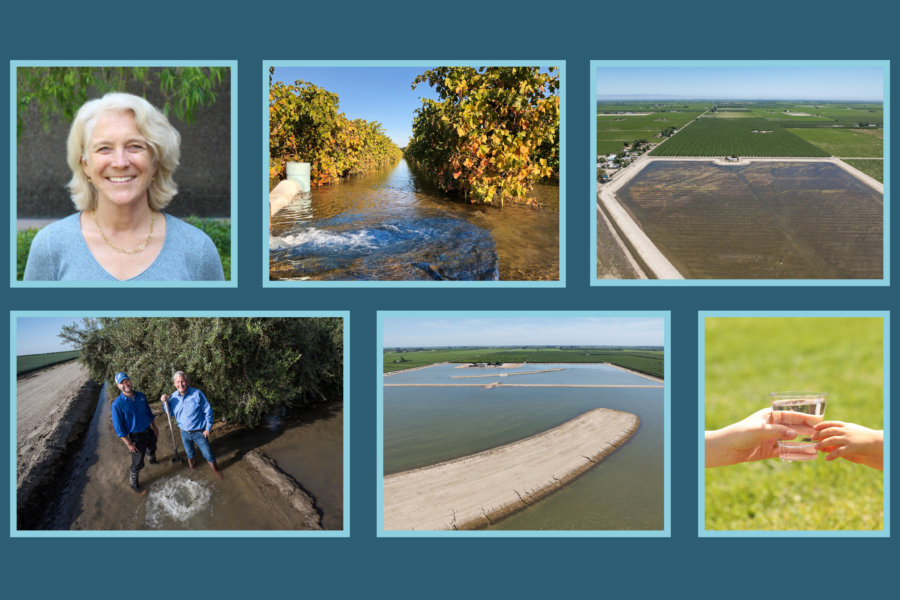
Sustainable Conservation’s CEO Ashley Boren recently contributed a guest opinion column that has been published in the Sacramento, Modesto, and Fresno Bees as well as the Merced Sun-Star. The piece, titled “A resilient water future for the San Joaquin Valley is within reach. Here’s how”, emphasizes how 2023 was a banner year for groundwater recharge, yet there’s more we…
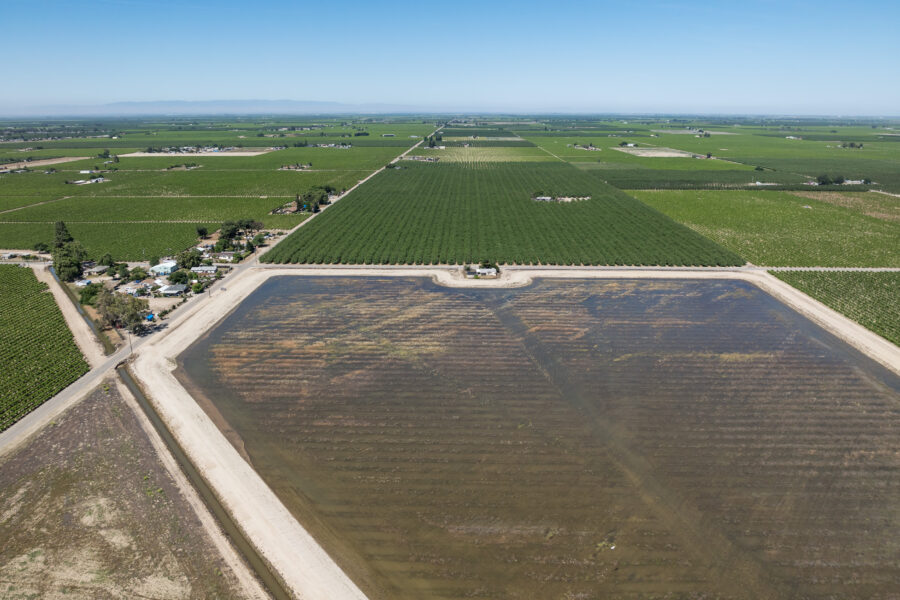
Photo: Xavier Mascareñas / California Department of Water Resources This month, the Public Policy Institute of California (PPIC) released a report on groundwater recharge — the process of replenishing underground aquifers with surface water — in the San Joaquin Valley in 2023. The report offers a rare viewpoint, allowing us to see just how far…
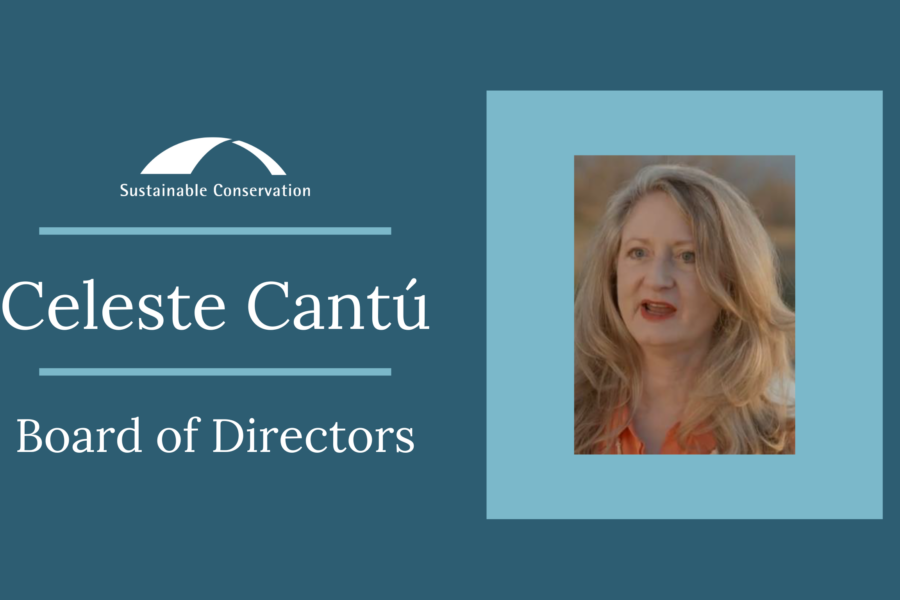
Join us in welcoming Celeste Cantú to Sustainable Conservation’s Board of Directors!
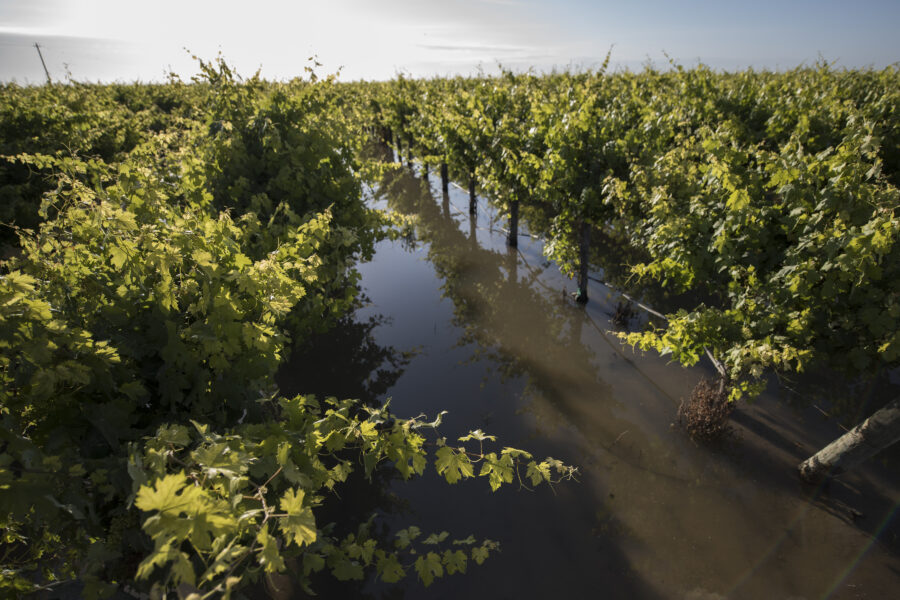
Practical strategies for how to manage and broaden recharge benefits for communities, ecosystems, agriculture, and flood risk reduction.