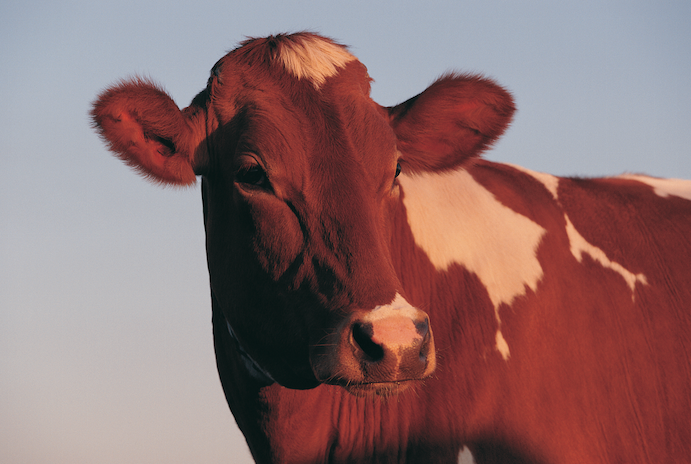
Waste Not, Want Not: Partnering with Dairies on Clean, Renewable Energy
When you think of cow waste, your immediate thoughts probably revolve less around an image and more around a smell. Turns out, cow waste can also power farms – and even homes.

When you think of cow waste, your immediate thoughts probably revolve less around an image and more around a smell. Turns out, cow waste can also power farms – and even homes.
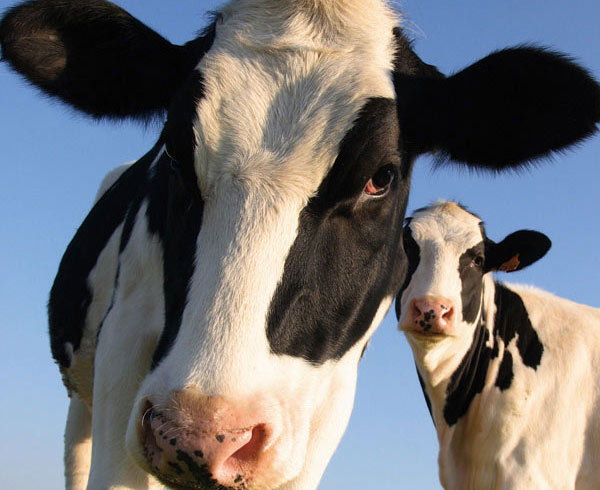
California’s Central Valley is the state’s hotbed for farming. From the milk we drink to the tomatoes we slice into our salads, this region is integral in providing California’s communities with the amazing produce and food we’re all so accustomed to.
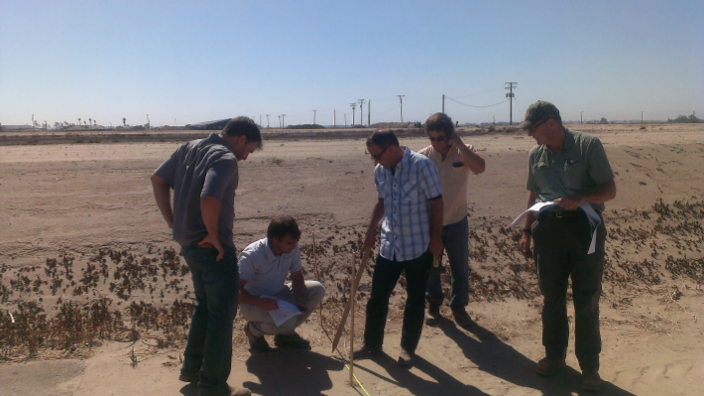
Sustainable Conservation is partnering with a Chilean company, Biofiltro, to pilot an innovative worm bin biofilter.
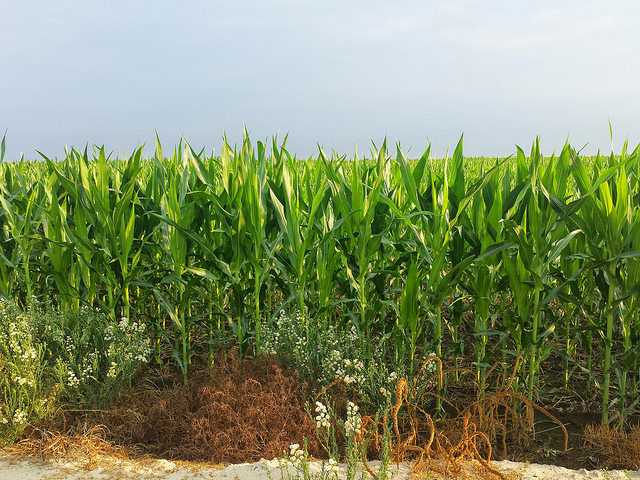
In 2004, only about 490 acres of summer silage corn in the San Joaquin Valley used strip-till. By 2012, the number of acres rose to over 181,000.
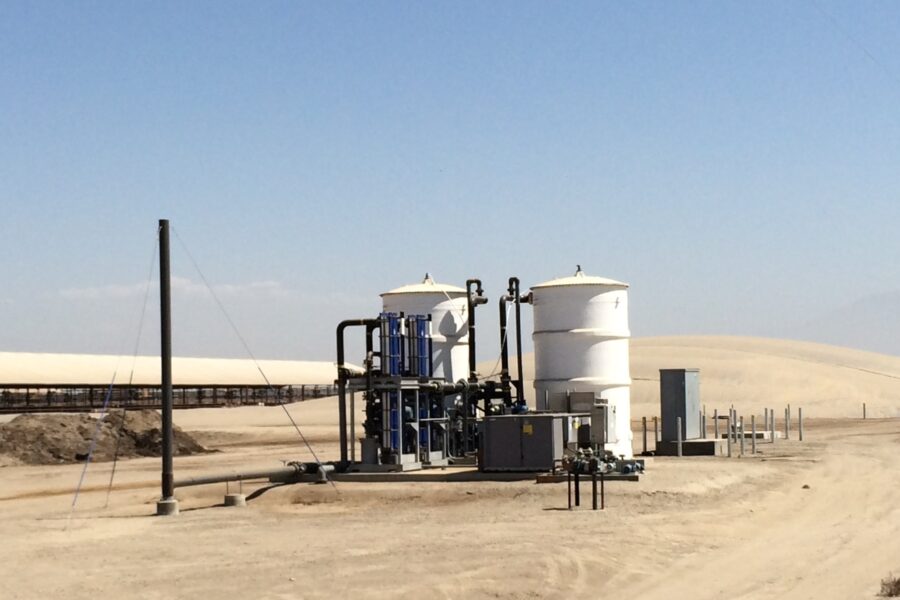
Sustainable Conservation began looking at digesters 15 years ago as a way of addressing challenges surrounding climate change and air & water quality, while also generating revenue from waste.

On August 5th, two-dozen dairy farmers joined Sustainable Conservation and California Ag Solutions for a daylong conservation tillage bus tour around the Central Valley.

On July 8, 2014, UCCE hosted “Silage Day” in Modesto, CA. Co-sponsored by Sustainable Conservation, the day was filled with presentations and panels offering a wide audience information about drought-related dairy industry developments.
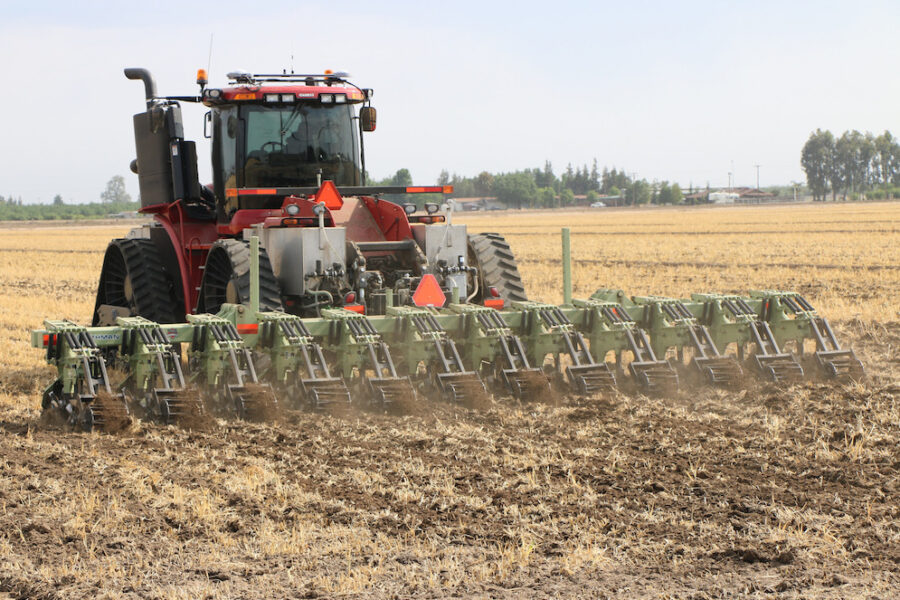
Pictured Above: Strip tillage in progress using newly purchased implements on a field in Hilmar, CA. Learn more about Sustainable Conservation’s current work to scale healthy soils practices in California! What is Conservation Tillage? Conservation tillage, also known as strip-till, is a method of low-impact farming that leaves crop stubble on the surface of the…