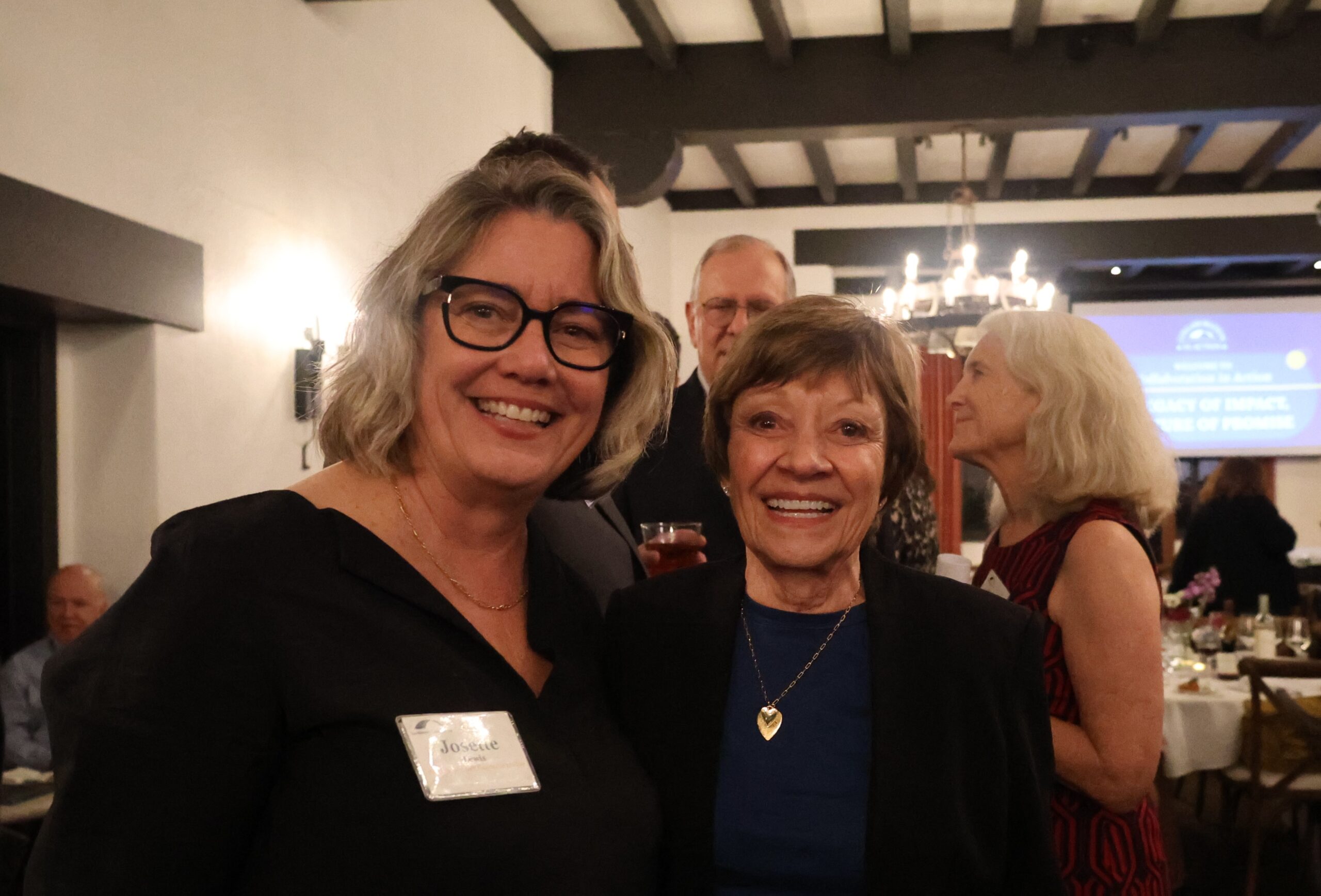
As we reflect on 2025, Sustainable Conservation marks a year of collective momentum and leadership transition. As longtime Chief Executive Officer Ashley Boren departed the organization, we also celebrated exciting progress in water resilience, ecosystem health, and agricultural sustainability. Now, we welcome Josette Lewis as our new CEO to lead the organization’s next era of impact to solve the state’s most pressing environmental challenges at scale.
In everything we do, one theme stands out: meaningful environmental progress is driven by people. The partnerships we build, the communities who lead, and the shared commitment to strategies that work for both people and nature are at the heart of our impact.
This annual report offers a snapshot of what we achieved together in 2025 and reflects more than three decades of dedication to collaborative, lasting environmental change.
We’re honored to work alongside you and grateful that you’ve shared your time, values, and generosity to help drive meaningful change. On behalf of the Sustainable Conservation team, thank you.
Community Connection
It’s the capacity of Sustainable Conservation to build bridges where nobody could imagine that a bridge would occur, the ability to meet somebody on that bridge and shake hands and build a relationship with them and work with them. Jeff Mount, Senior Fellow, Public Policy Institute of California
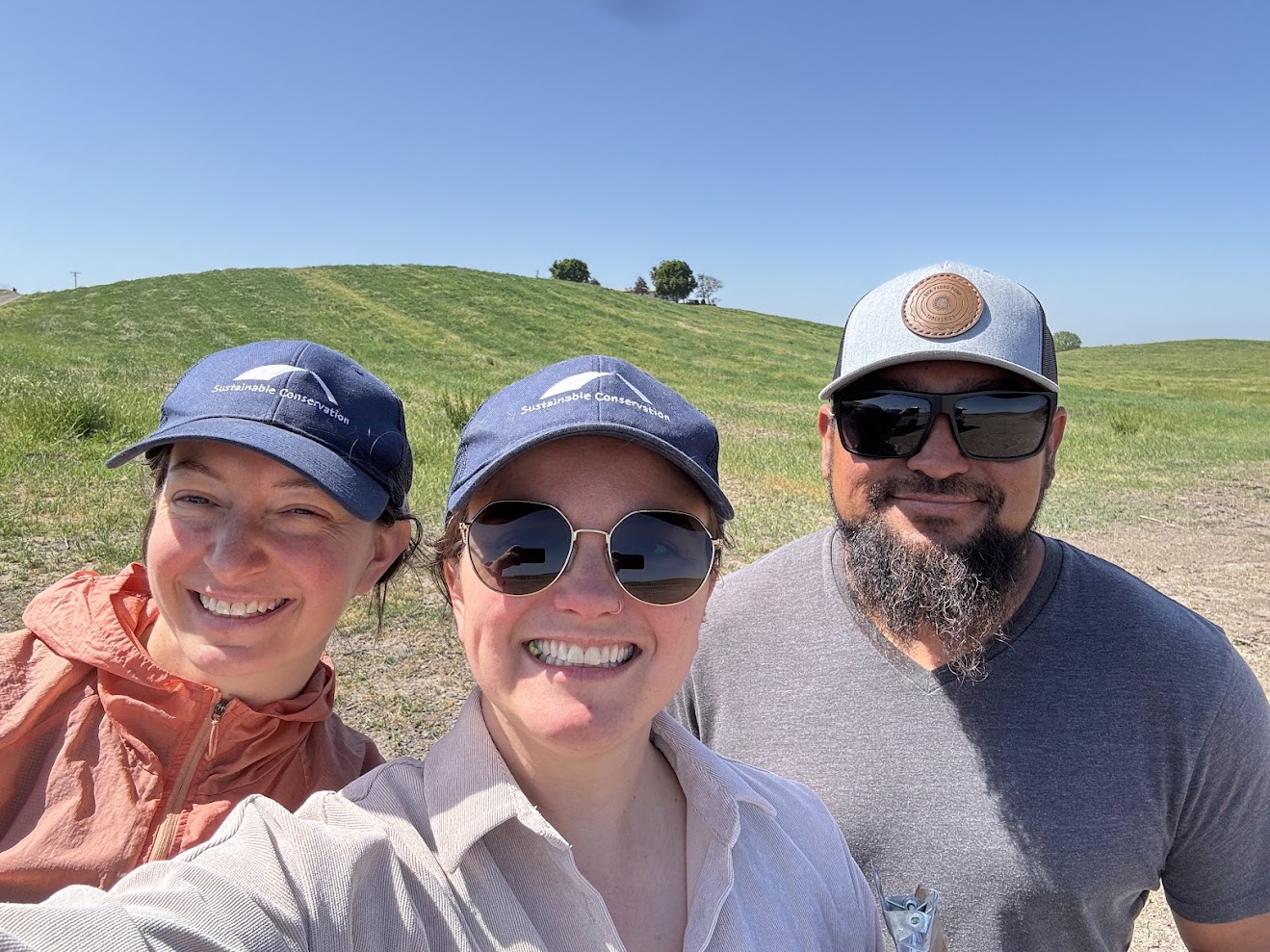
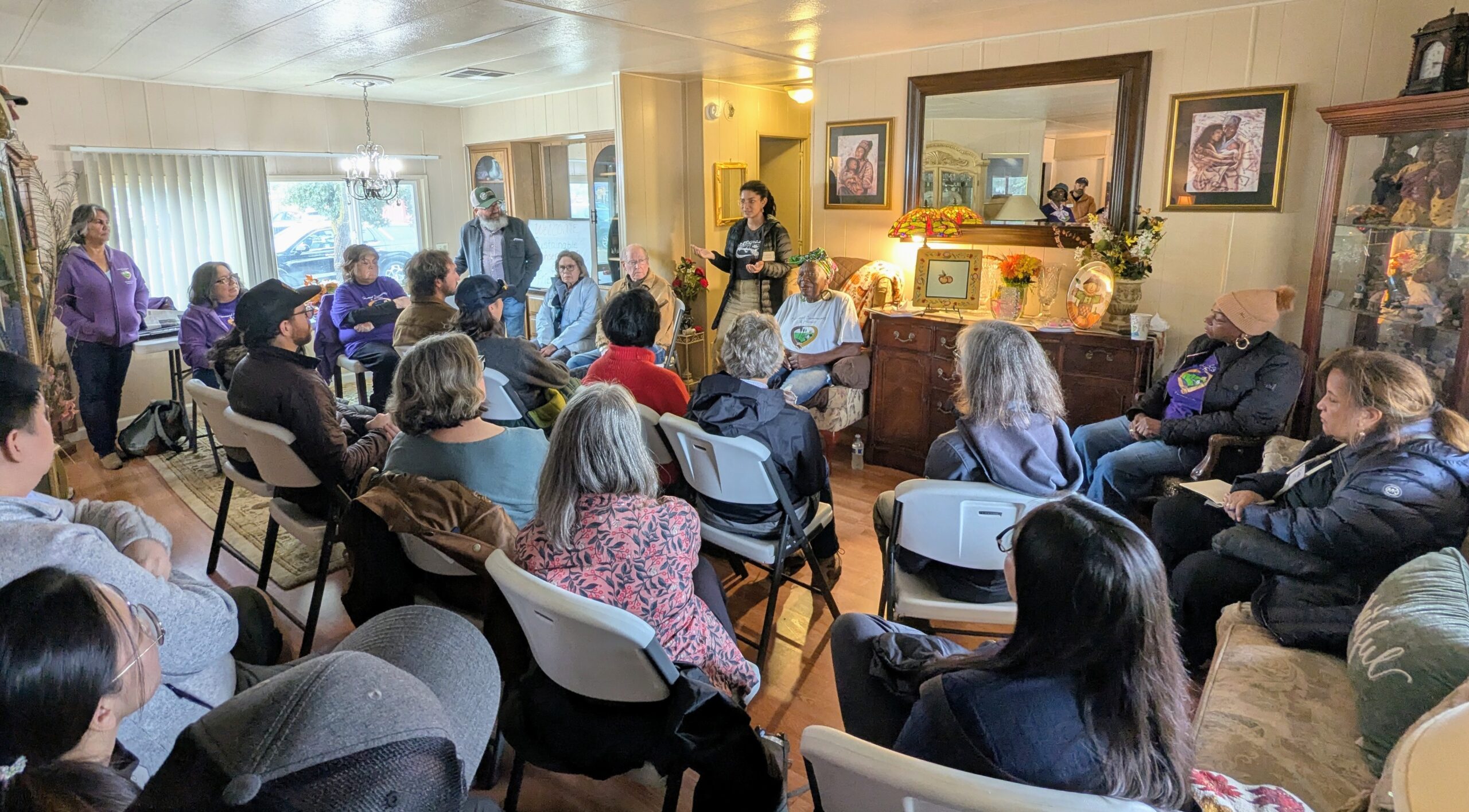
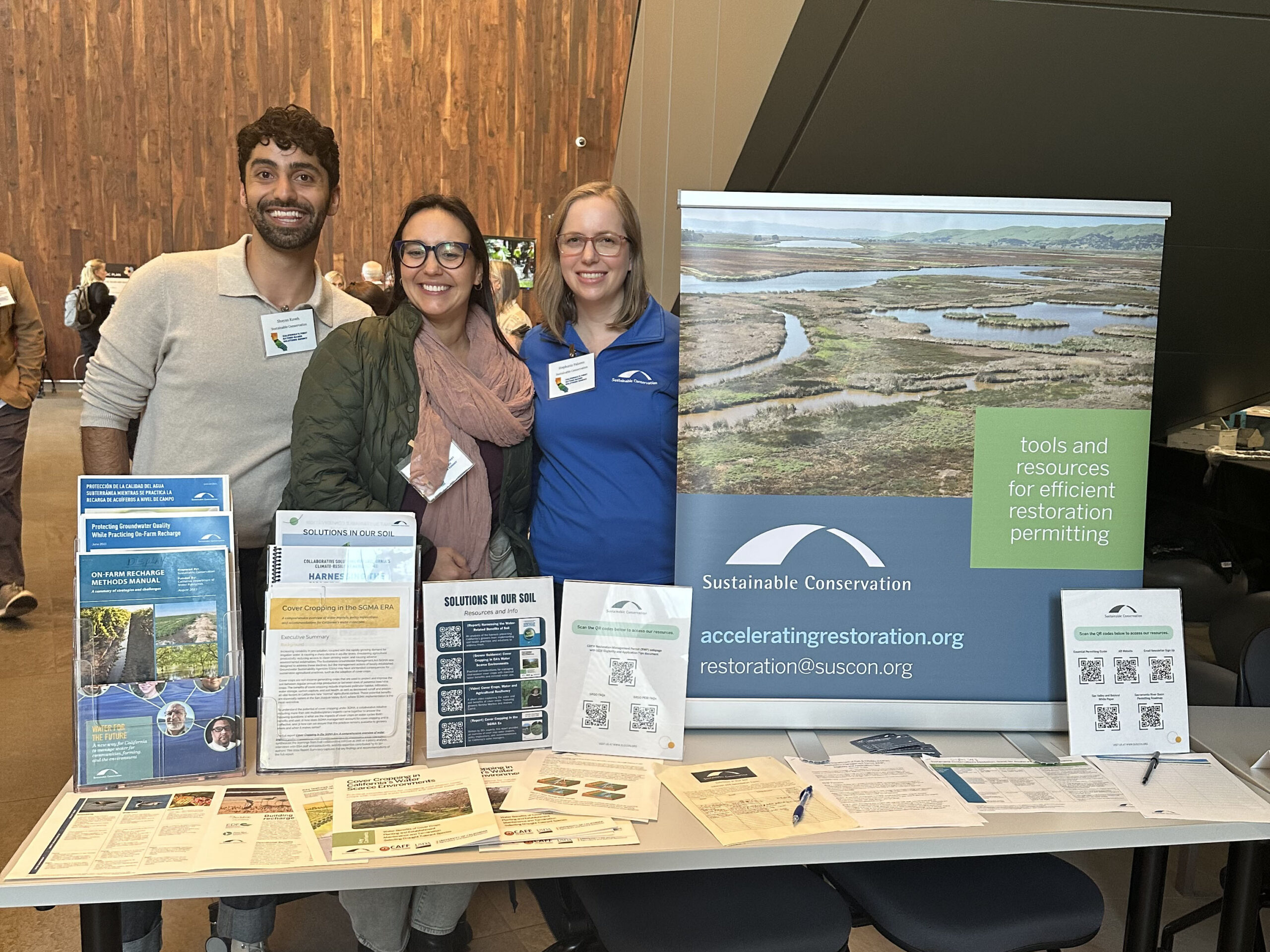
Every year, Sustainable Conservation looks most forward to the time we can spend with you, our community. Last year, you joined us for two more seasonal webinar series: Climate Resilience in Action and People, Place and Policy. Each series explored the shared challenges Californians face in fire, drought, and flood, and how collaboration, innovation, and action fuel a healthy and sustainable future.
Thank you to our sponsors
Many thanks to our generous sponsors Environmental Science Associates, Holland & Knight, Spottswoode Estate Vineyard & Winery, and Wilson Sonsini Foundation for supporting Sustainable Conservation’s webinar series.


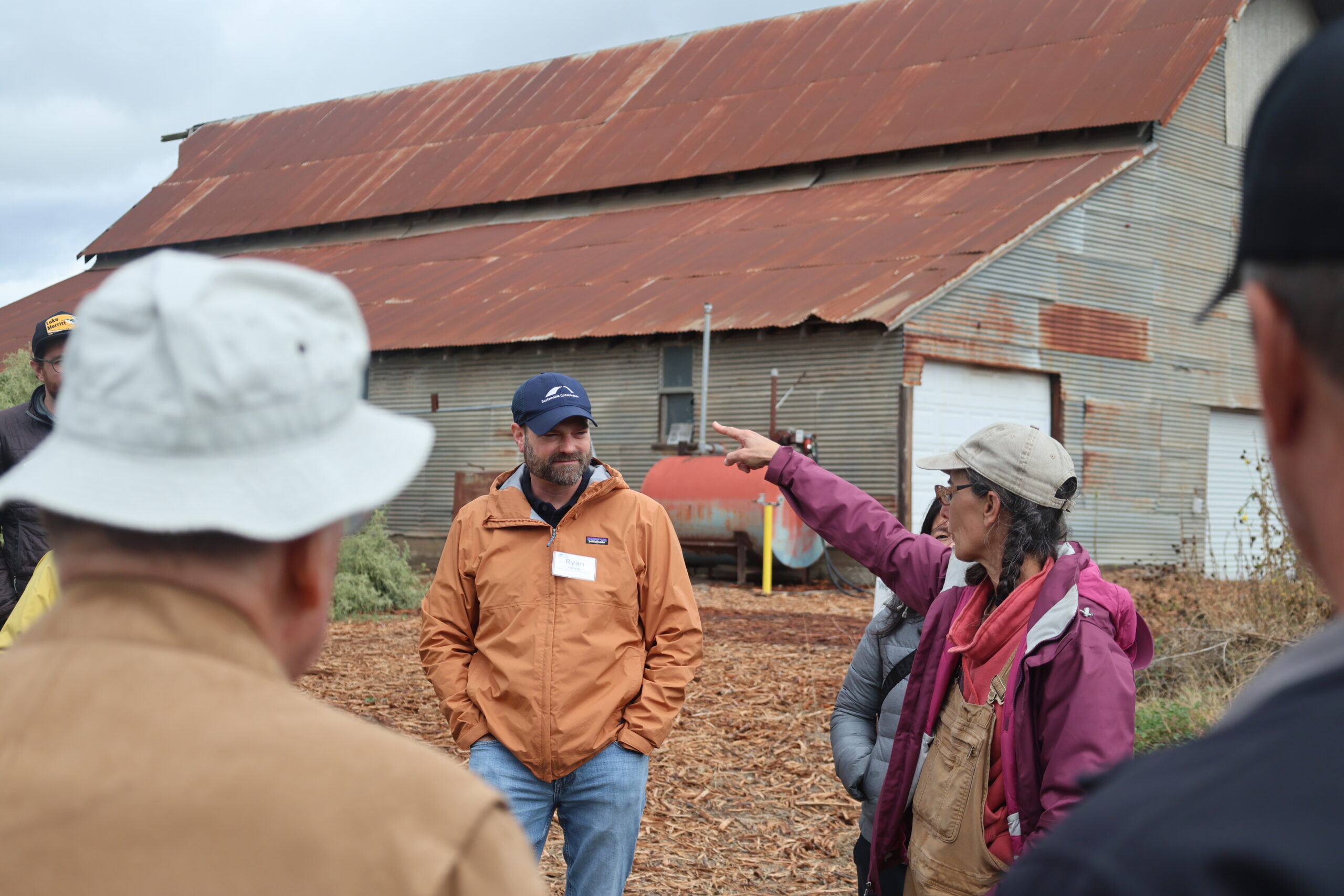
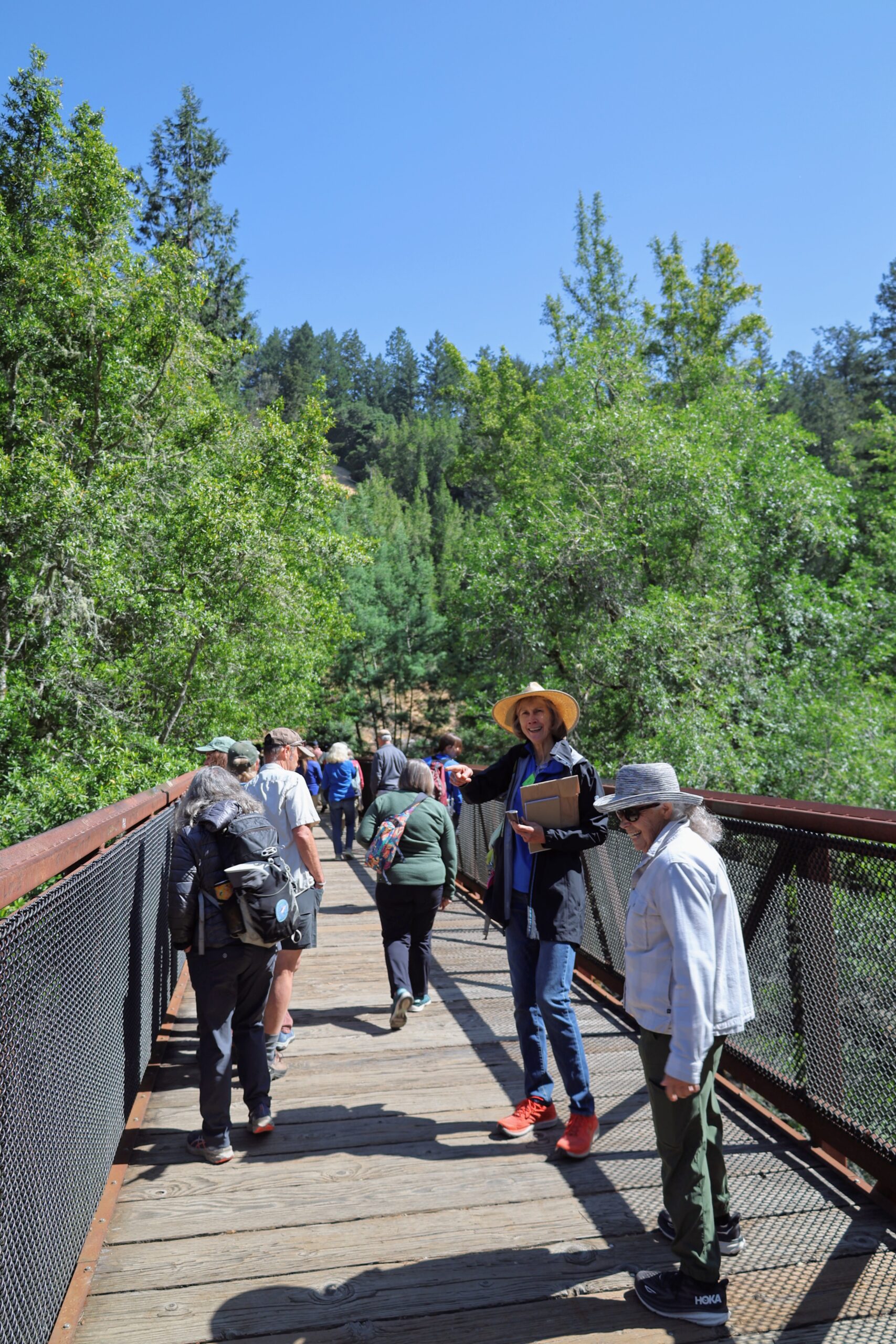
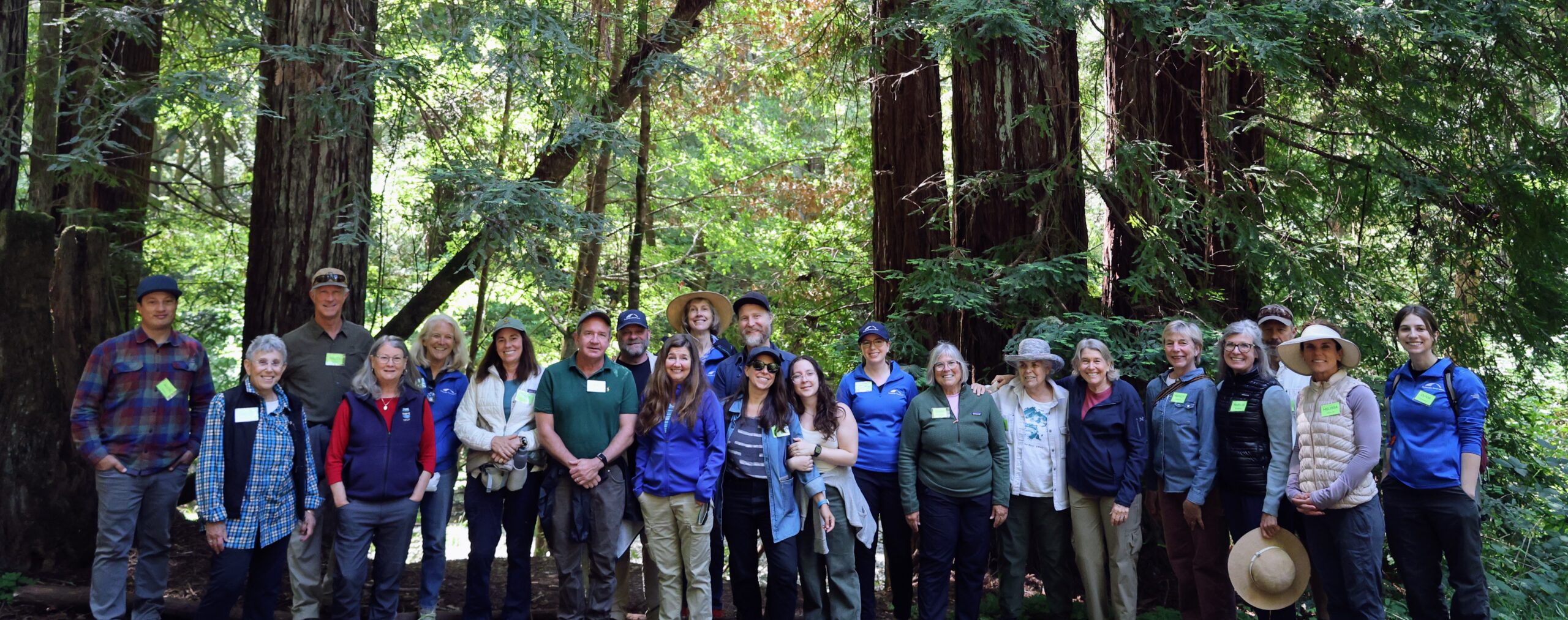
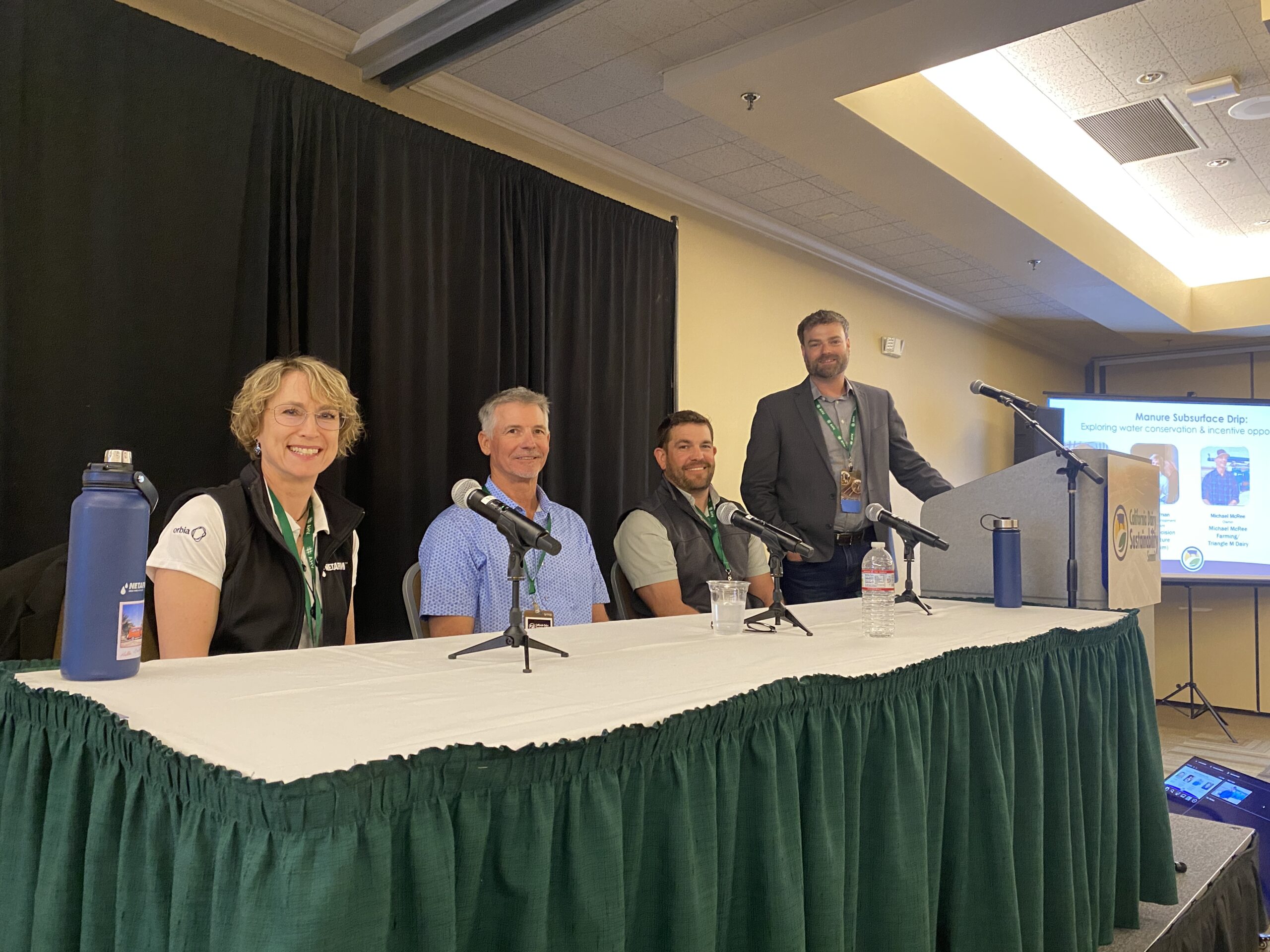
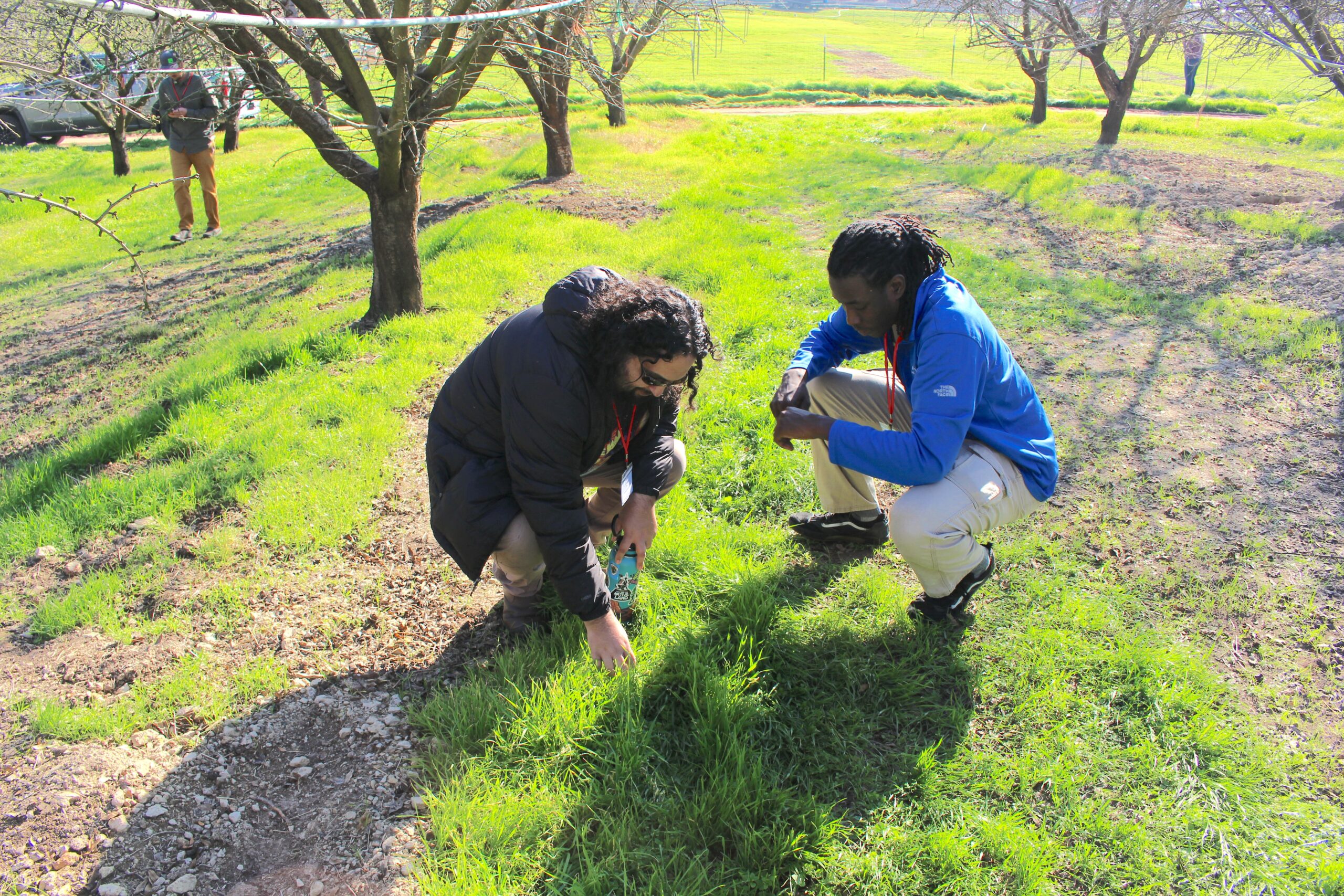
Many of you also joined us in person for hands-on field trips to Marin County’s Lagunitas Creek and for our Climate Resilience Tour to sightsee Central Valley water security, sustainable agriculture, and riparian restoration projects. for our annual Collaboration in Action fall fundraiser, Our Forward Momentum, where we honored Ashley’s 28 years of visionary leadership and looked ahead to the next chapter for Sustainable Conservation.
We also honored Stemple Creek Ranch with the Leopold Conservation Award in partnership with Sand County Foundation, American Farmland Trust, and the California Farm Bureau Federation. The Poncia family’s commitment to habitat restoration, soil health, and sustainable practices is a model for how stewardship and food production can go hand in hand.
Thanks to you, we welcomed three new staff members to help us achieve our mission: Chief Financial Officer Tammy Chan, Water for the Future Project Director Wendy Rash, and Soil Health + Water Project Manager Kristen Murphy! We’re also delighted to have two GrizzlyCorps Fellows, Ryan Wakefield and Hayley Willner, to expand our Water for the Future and Accelerating Restoration teams’ impact.
Finally, your generous, increased support helped us meet two matching challenge gifts from longtime donors Michael Spiegelman and the Emmett Foundation.
Support and Revenue
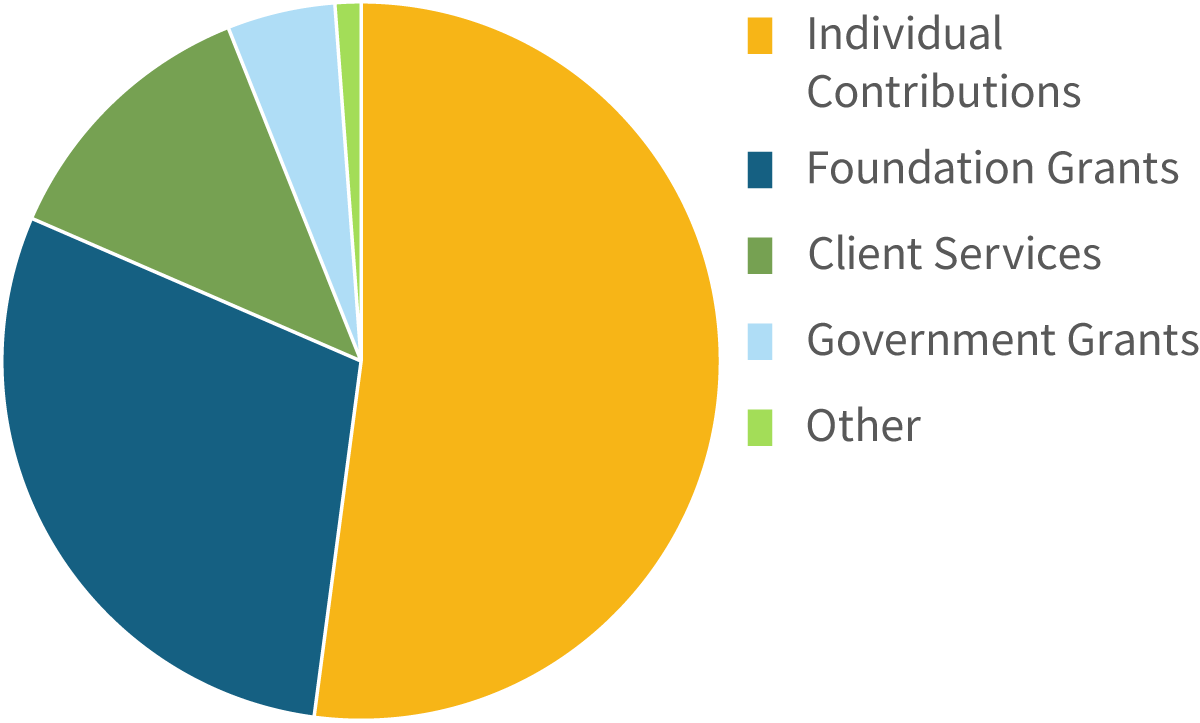
| Foundation Grants | $2,717,675 |
| Individual Contributions | $4,813,268 |
| Government Grants | $449,944 |
| Client Services | $1,150,880 |
| Other | $107,992 |
| Total Support and Revenue | $9,239,759 |
Expenses
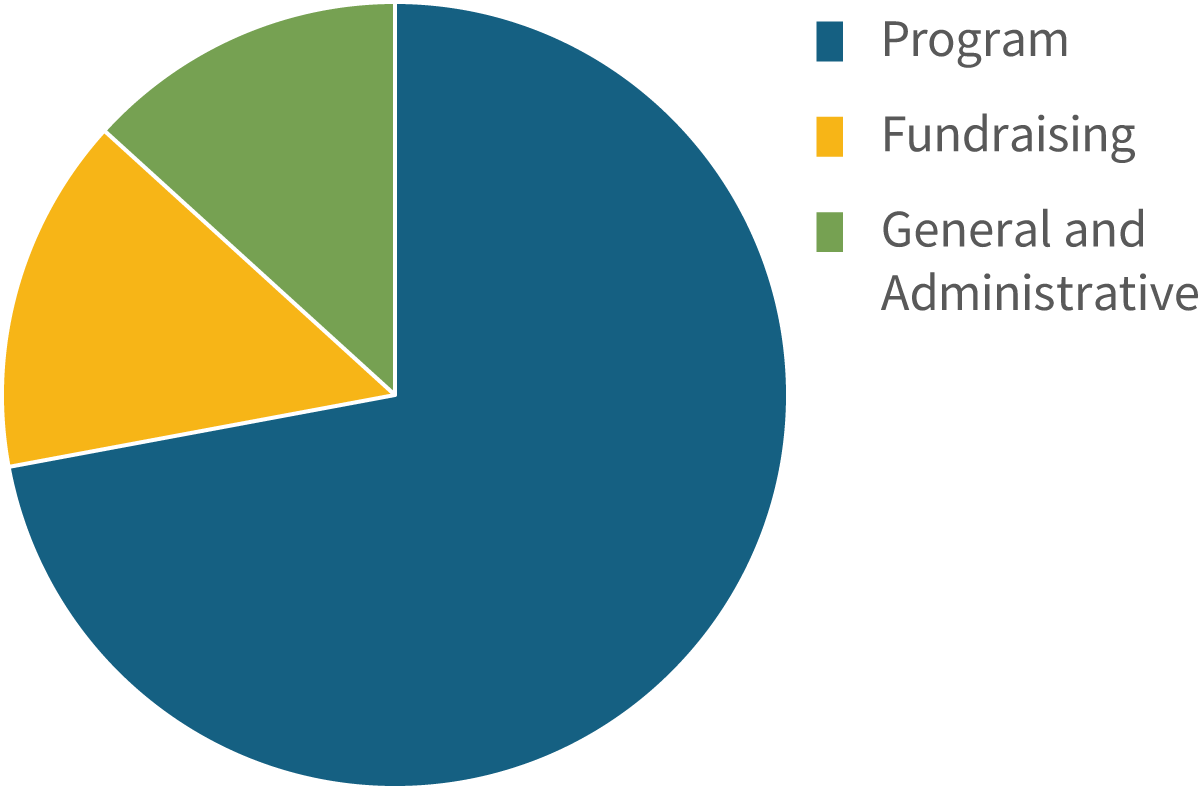
| Program | $5,101,548 |
| Fundraising | $1,038,798 |
| General and Administrative | $938,277 |
| Total expenses | $7,078,623 |
Fore more information, please view the organization’s 2025 990 and audited financials.
Water for the Future
DWR’s watershed studies have the potential to transform the reliability of the state’s water supplies in a changing climate. With your support catalyzing smarter coordination, California can capture more water during wet years to mitigate flooding, replenish aquifers, and support a sustainable agricultural economy. Richael Young, Water for the Future Senior Director
Without action, 93,000 acre-feet of water per year will be depleted from San Joaquin Basin aquifers in a changing climate, according to DWR’s 2025 Watershed Studies.
Thanks to you, Sustainable Conservation is leading that action. In 2025, our partnerships took major steps to turn challenges presented by a changing climate into resilient water resource solutions.
In December, the California Department of Water Resources released the first of their kind San Joaquin Basin Flood Managed Aquifer Recharge (Flood MAR) Watershed Studies, which use advanced climate modeling to guide coordinated flood protection, groundwater recharge, and ecosystem health across five watersheds.
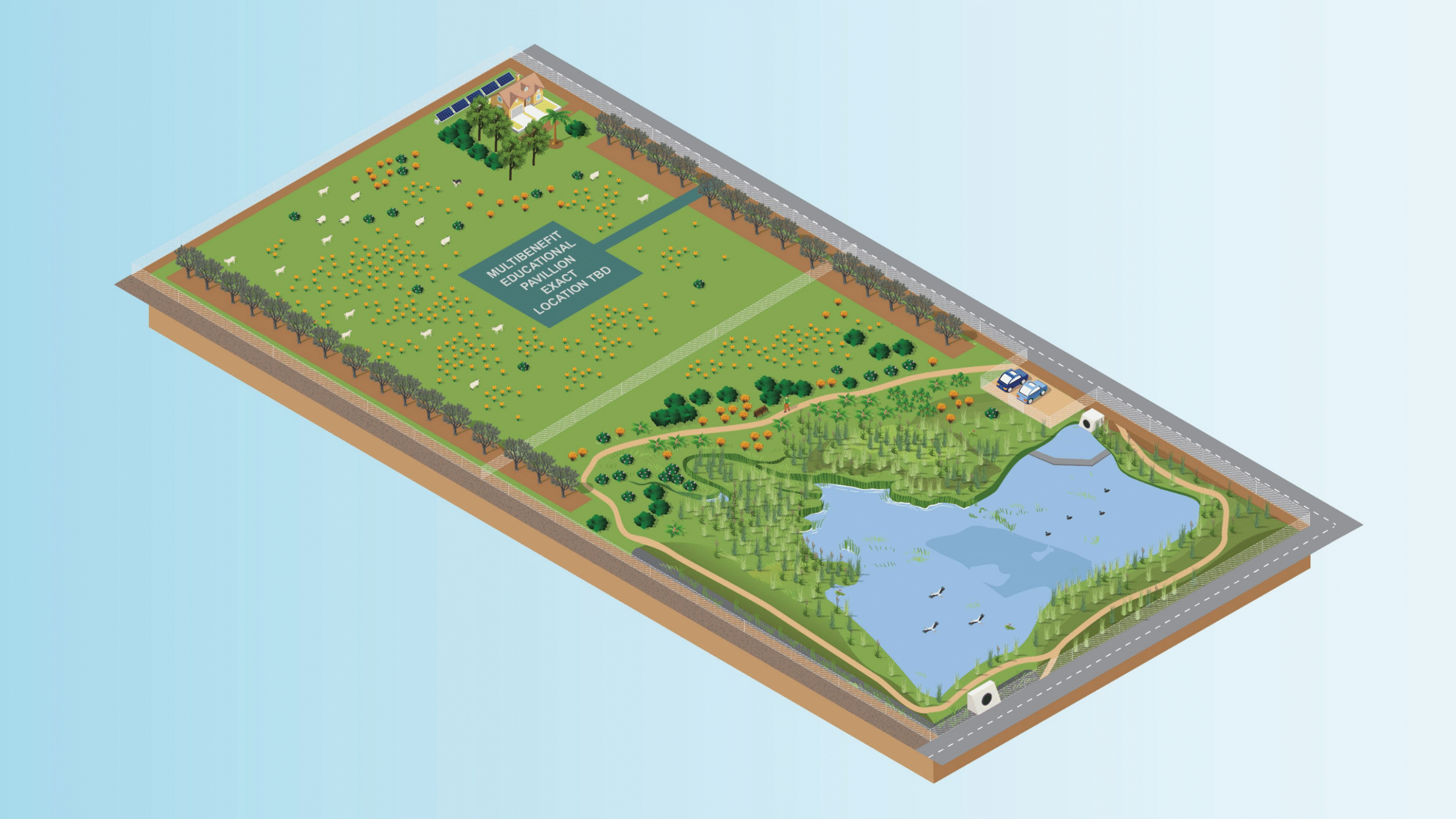
Mock-up of the Fairmead orchard repurposing project. Graphic via Geosyntec Consultants.
The organization also supported the unincorporated community of Fairmead in moving a long-awaited storm water basin project toward construction. In 2025, Fairmead Community and Friends and partners secured funding to transform a 17-acre orchard into a groundwater recharging basin, native habitat, and the community’s first public green space to reduce flood risk, improve groundwater quality, and create lasting community benefits.
Sustainable Conservation remains committed to advancing policies and partnerships that strengthen California’s water resilience.
Accelerating Restoration
Ten years ago, we were lucky to have one restoration project implemented per summer. Now, it’s normal for us to have as many as five going to construction in a summer. Restoration permitting pathways helped us unlock a new pace and scale of restoration. Jason White, Watersheds & Rivers Design Lead, Environmental Science Associates
In 2025, restoration practitioners used the simplified permits co-developed by Sustainable Conservation and agency partners more than 150 times across the state.
Each use saves time and resources that add up to critical, landscape-scale ecosystem revival. Putting these projects on the ground now, not years from now, creates habitat for endangered species, flood security for communities, and a host of other benefits for human and environmental health.
Because of you, these co-sponsored permits unlocked projects like a salmon habitat enhancement project on Mendocino County’s Ten Mile River, a fish barrier removal on San Luis Obispo County’s Arroyo Grande Creek, and salmon habitat and flood control improvements to a half-mile stretch of Siskiyou County’s Scott River.
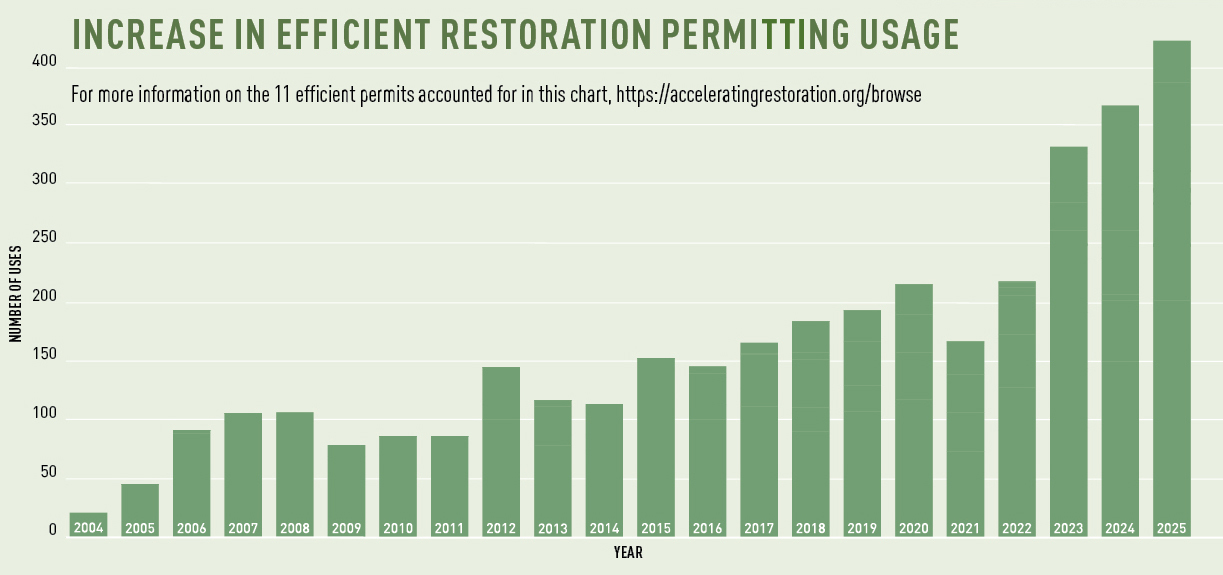
Graphic: Vicki Valentine/SF Art Department for Sustainable Conservation.
The cost-savings and ecological benefits are clear:
- According to the California Department of Fish and Wildlife, in 2021-2024, simplified permits cut processing time by 35% – the equivalent of $8 million – and helped Californians restore nearly 700 stream miles and over 196,000 acres of aquatic habitat.
- In 2025 alone, CDFW’s Habitat Restoration and Enhancement Act saved a conservative estimate of $1.1 million for restoration proponents and approved 34 projects across the state.
- The National Oceanic and Atmospheric Administration Restoration Center cited that these processes have saved up to $24 million in staff time and consultant fees, decreased processing time over 50%, and helped over 330 projects in California.
Restoration at scale in California could not come at a better time for native, rebounding salmon populations and our collective flood and drought resilience.
Solutions in our Soil: The Soil-Water Nexus
The Solutions in our Soil team has helped show how soil health practices like cover crops and high carbon amendments can be transformative assets to improve farm resiliency and support the state’s environmental goals. Leading with the latest science and in-field experience is critical to reveal where, when, and how soils practices make sense as multi-benefit on-farm solutions. Ryan Flaherty, Senior Director of Circular Economies
Thanks to you, Sustainable Conservation launched the Solutions in our Soil program in 2023 to find and scale solutions at the intersection of water and soil health for community and agricultural sustainability.
In 2025, just two years later, the team celebrated a key regional policy win to formally incentivize planting cover crops! This policy change sends a clear signal that sustainable agricultural practices like cover cropping can deliver water benefits and be recognized within groundwater sustainability efforts.
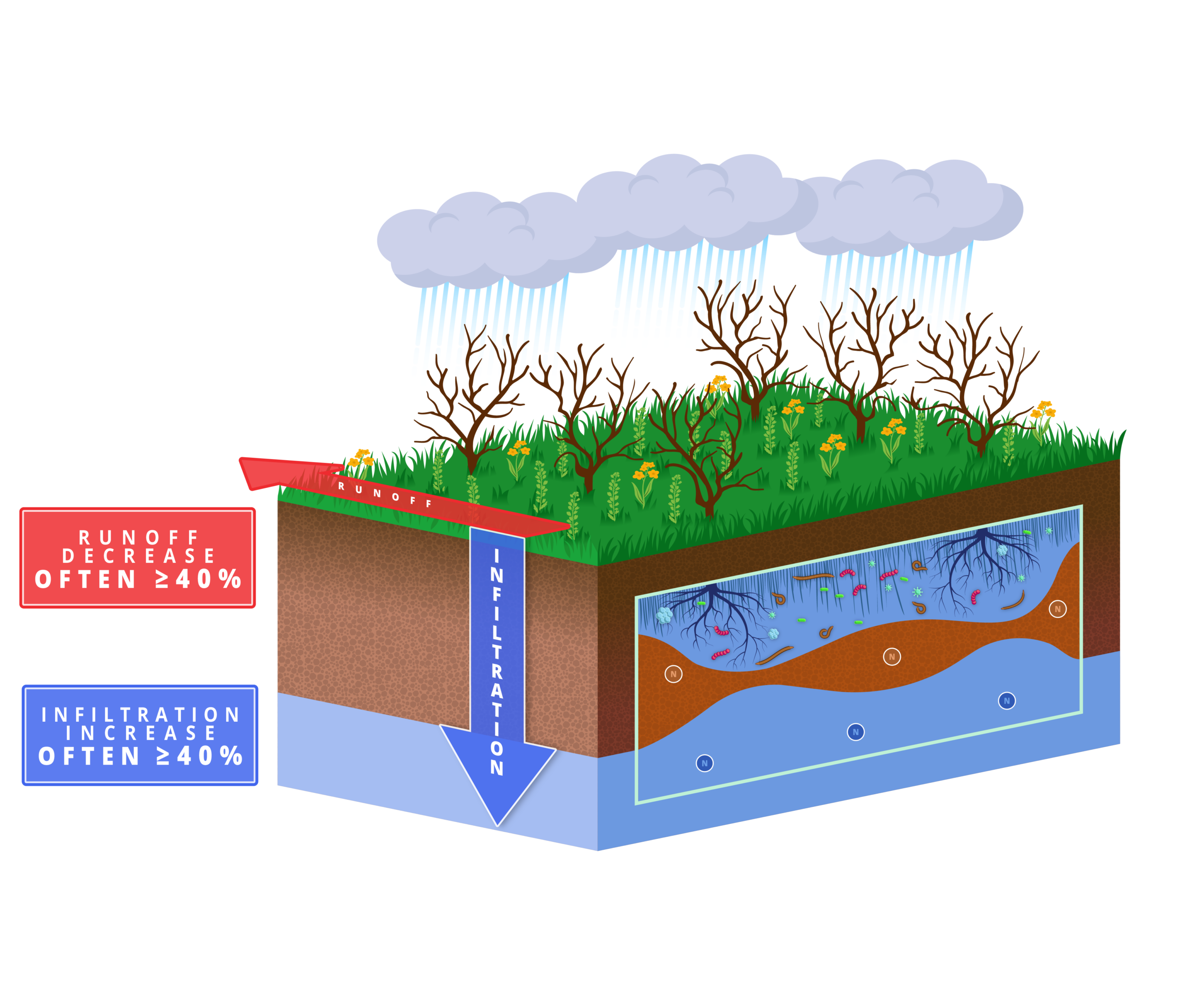
Graphic: Darren Vogt for Sustainable Conservation
Building on the success of the 2024 Cover Cropping in the SGMA Era report, our team co-authored a new grower guidance document to help producers across California implement cover crops with greater confidence based on their specific goals.
The momentum we’ve created together will continue to accelerate the adoption of regenerative practices that improve water resilience, enhance soil health, and support agricultural viability statewide.
Solutions in our Soil: Waste Not
Thanks to your continued support, we’re still innovating on MSDI by testing its ability to recycle natural fertilizers while protecting groundwater quality on agricultural operations besides dairy farms. Projects like the almond MSDI pilot and whole orchard recycling research have the potential to exponentially grow the impact of our technology. John Cardoza, Project Director, Waste Not
Every year, Sustainable Conservation’s first-of-its-kind Manure Subsurface Drip Irrigation (MSDI) system saves over 3 billion gallons of water, 8,300 metric tons of CO2 equivalents, and 3.5 million lbs. of nitrogen while fertilizing feed crops.
Your support has grown long‑term research and farm partnerships that help us better quantify MSDI’s impacts, including its potential to reduce greenhouse gas emissions, nitrate leaching to groundwater, and reliance on synthetic fertilizer across the Central Valley. In 2025, we also launched a pilot project to explore whether MSDI could deliver similar benefits for almonds. With food safety as a top priority, the team looks ahead to completing data collection in 2026 and assessing the feasibility of expanding MSDI to consumable crops.

California dairies also offer a powerful opportunity to put surplus manure to work in place of synthetic fertilizer. In 2025, we completed an initial analysis of the San Joaquin Valley “manureshed,” which looks at where excess nutrients can realistically be moved and applied to crops. The results show that surplus manure in the region contains an estimated 178,000 tons of plant‑available nitrogen, enough to replace about 12% of the nitrogen currently imported into the Valley.
Unlocking the potential of manure as sustainable fertilizer in the San Joaquin Valley is only the beginning. Sustainable Conservation will continue to scale the technology and strategies California needs to protect our drinking water and meet our emissions goals.