People, Place, and Policy Webinar Series Recap
Join our donor community for invites to future events like this and to help us advance the collaborative stewardship of California’s land, air, and water for the benefit of nature and people!

Join our donor community for invites to future events like this and to help us advance the collaborative stewardship of California’s land, air, and water for the benefit of nature and people!

“The Yurok Tribe worked hard to build a bridge, based on trust and mutual respect, between local tribes, local farmers and residents, and CalTrout,” said Barry McCovey, the director of the Yurok Tribe Fisheries Department. “Together, we are working to fix two of the biggest threats to salmon in the Scott River Valley by restoring fish habitat and modernizing water conveyance infrastructure. This mutually beneficial outcome could only be achieved through collaboration.”

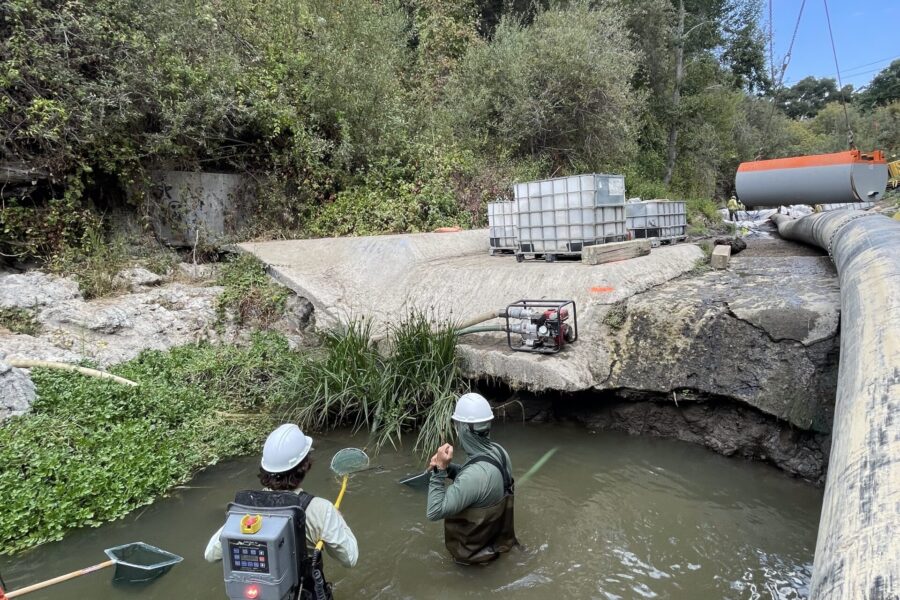
Investing in faster, more cost-effective regulatory processes for restoration pays dividends for both ecosystems and the communities that depend on them. Thanks to a coalition of local partners led by Creek Lands Conservation (CLC), the Arroyo Grande stream gauge has now been modified to allow federally threatened South-Central California Coast (SCCC) steelhead to once again access eight miles of upstream spawning and rearing habitat.

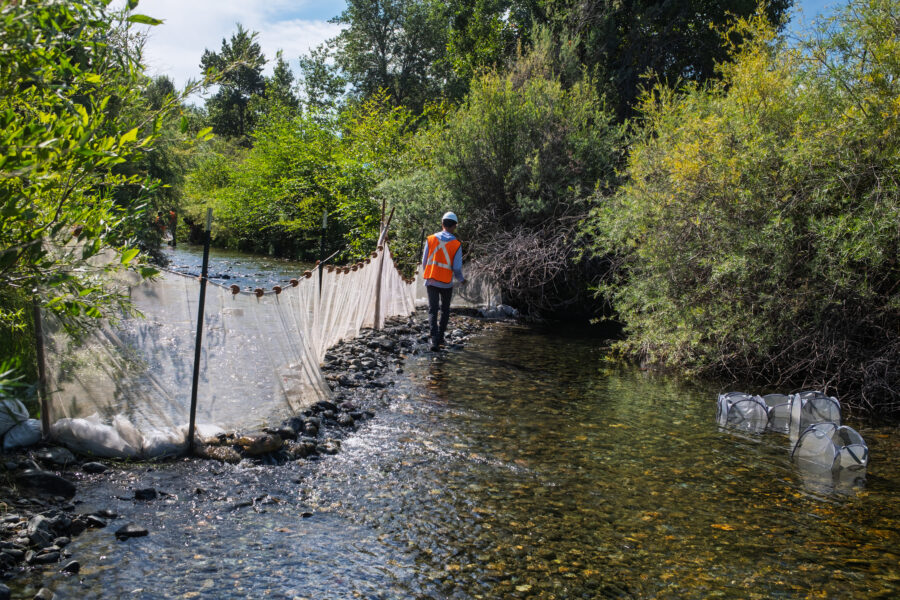
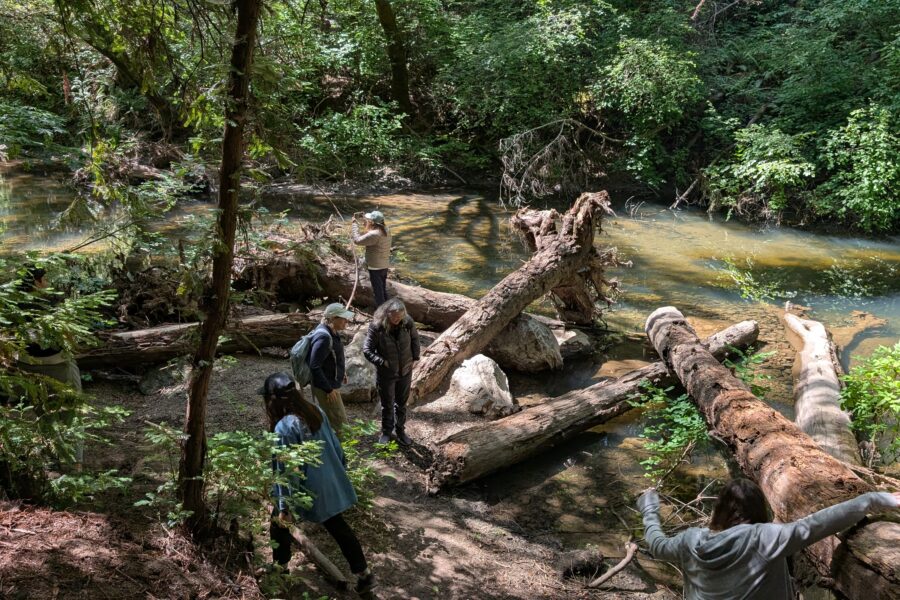
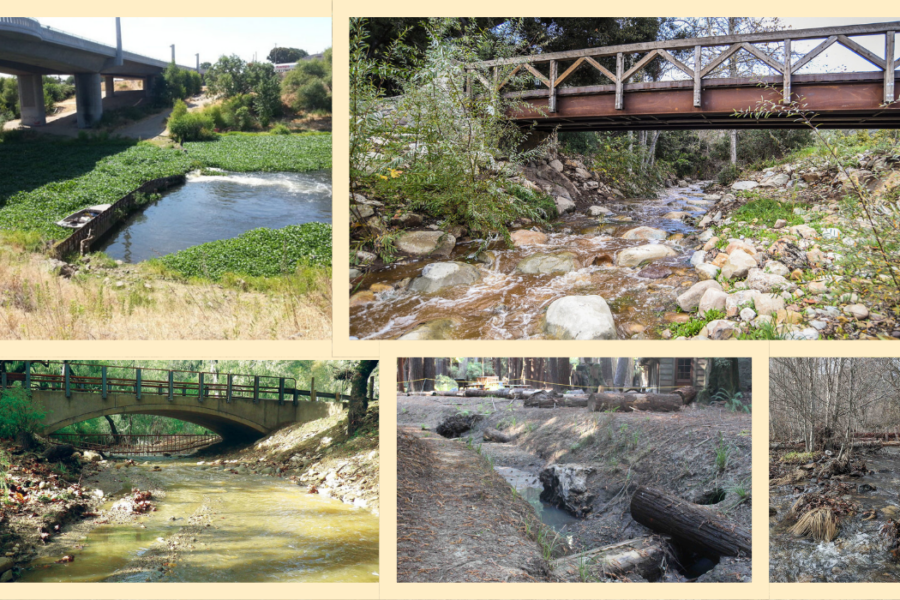
On June 12th, Sustainable Conservation community members, program partners, and staff met up at Lagunitas Creek in Marin County to see the recent improvements to native fish habitat and stream functions through the Lagunitas Creek Watershed Enhancement Project — and to witness the positive impact of simplifying California’s permitting processes to implement restoration projects faster, more affordably, and at scale.

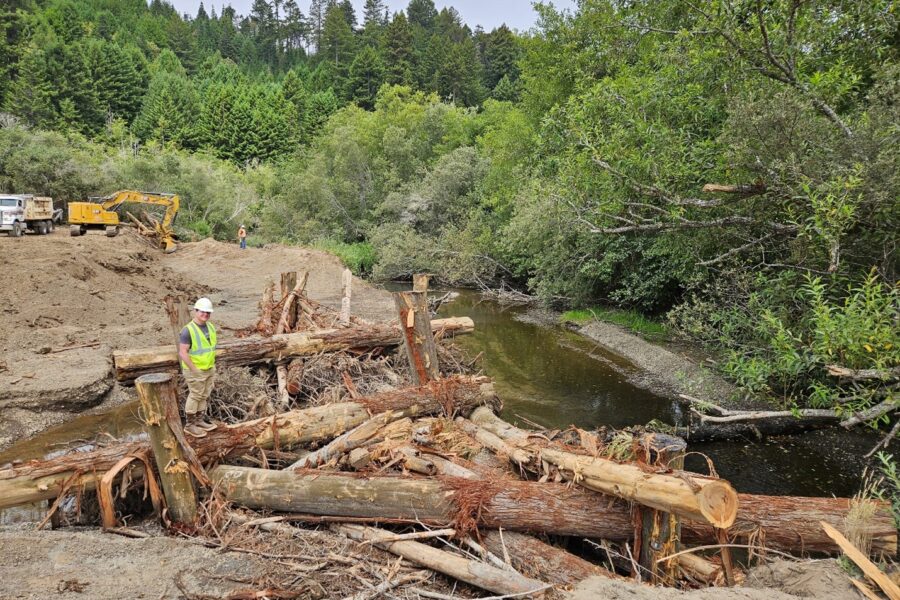
The Ten Mile River, flowing through coastal Mendocino County, provides vital habitat for California’s endangered coho salmon. The Nature Conservancy (TNC) has been leading habitat restoration efforts in the Lower Ten Mile River watershed for over a decade. Their latest project, the South Fork Ten Mile Habitat Enhancement — Phase 2, represents a significant step in revitalizing key salmon habitat and restoring natural floodplain functions.

Missed any of the conversations in our Recharging California webinar series? We’ve got you covered with a full recap of each event, plus recordings!

In their recent Sacramento Bee op-ed, Sustainable Conservation CEO Ashley Boren and California Natural Resources Secretary Wade Crowfoot call for California to deepen its commitment to achieving the state’s “30×30” goal of conserving 30% of its lands and coastal waters by 2030. For Boren and Crowfoot, this ambitious target isn’t just a policy objective; it’s…

Sustainable Conservation is proud to announce a new report, “Accelerating Restoration in the Sacramento Valley and Beyond: Progress and Next Steps to Cut Green Tape in California.” Read the full report here. Read the list of recommendations with agencies, partners, and timelines here. Authors: Erika Lovejoy, Katie Haldeman, Stephanie Falzone, Shayan Kaveh Background California is…

by Eric Epstein From county-level programs to multi-agency statewide permits, our Accelerating Restoration program’s impact has grown exponentially in three decades. Hundreds of organizations and landowners have used the permits we’ve helped put in place to restore miles of critical riparian habitat, revitalize our rivers, protect iconic species, and reconnect our surface and groundwater resources.…

Sustainable Conservation is proud to announce the launch of an innovative new website to increase the capacity and speed of restoration efforts for our waterways and imperiled species.

Hear from Sustainable Conservation CEO Ashley Boren, California Natural Resources Agency Secretary Wade Crowfoot and State Water Resources Control Board Chair Joaquin Esquivel on the importance of accelerating restoration now – not years from now.

Sustainable Conservation has worked in California for 30 years to craft collaborative, enduring solutions to our state’s unique and pressing environmental problems. The start of 2023 has been a challenging time for California. Our hearts go out to all of those devastated by the floods. As we plan for a climate-resilient future, I’m taking a…