Tag Archives: Groundwater

GroundwaterRecharge.org: Who is Recharge for?

Recharge is a practice that Sustainable Conservation has championed for over a decade largely because of the myriad beneficiaries it creates. The “Recharge For…” dropdown menu focuses on specific benefits and resources for growers, water districts and groundwater sustainability agencies, communities, ecosystems, and policymakers.
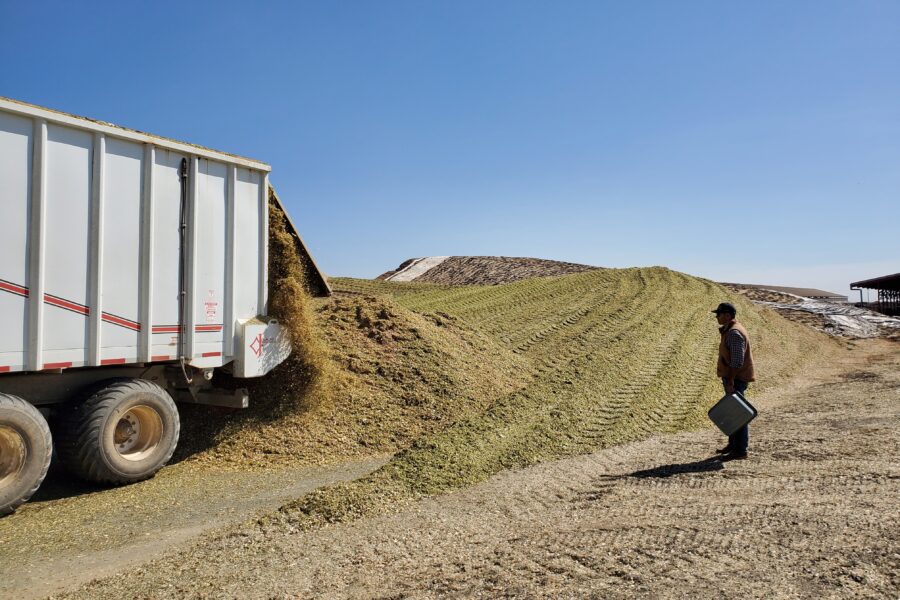
Recharge and Beyond: A New Viewer for Multibenefit Land Repurposing

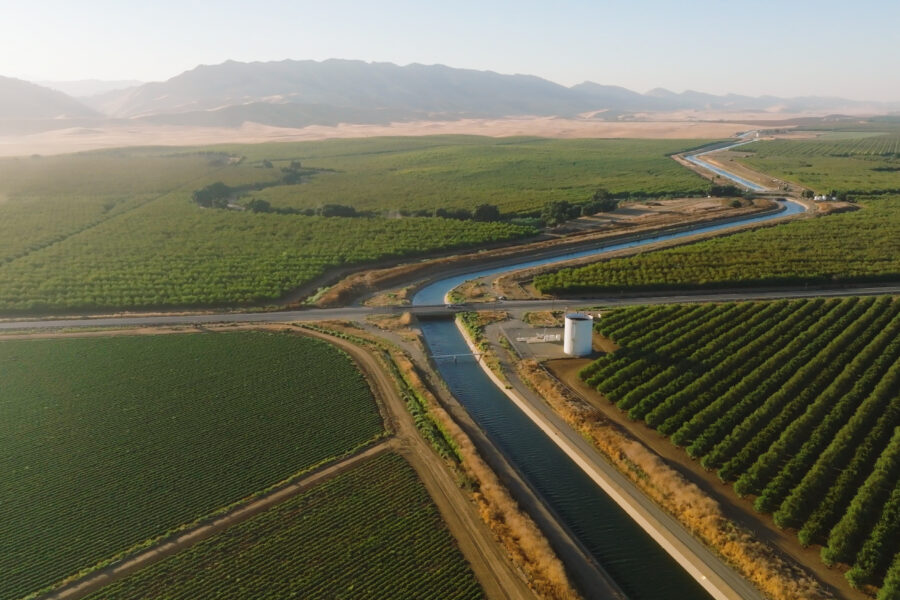
With California’s landmark groundwater regulations coming into effect, pumping groundwater to irrigate agriculture at its current acreage is unsustainable in some regions. Without alternatives, land managers might be left with idling their land as the most affordable option, but this can contribute to dust, pollution, weeds, pests, and other negative impacts for neighboring farms and nearby communities — all while providing no earning potential.

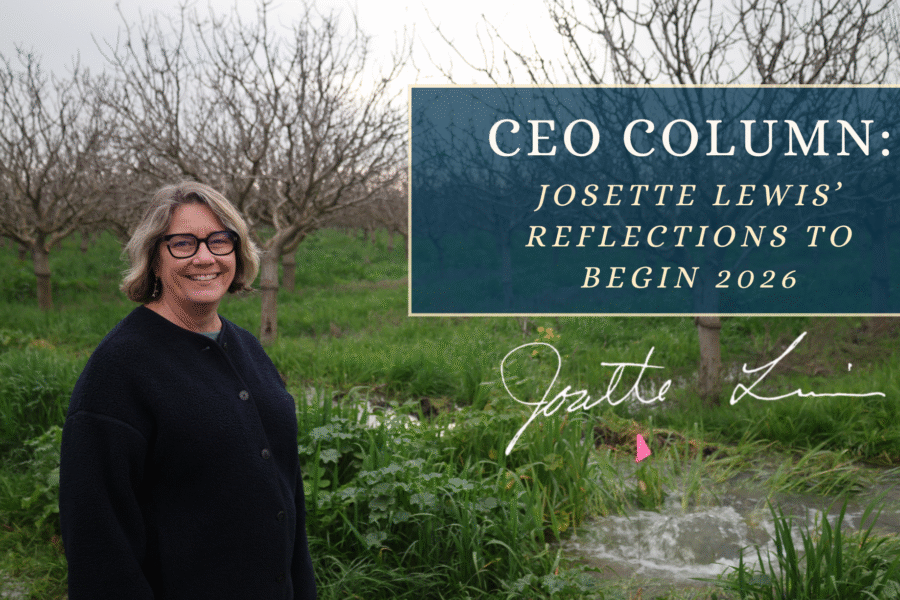
CEO Column: Josette Lewis’ Reflections to Start 2026

“There is no miracle prescription that will solve all of California’s climate and natural resource challenges, but a combination of science-backed solutions that can be feasibly scaled across the state is what gives me hope right now.”

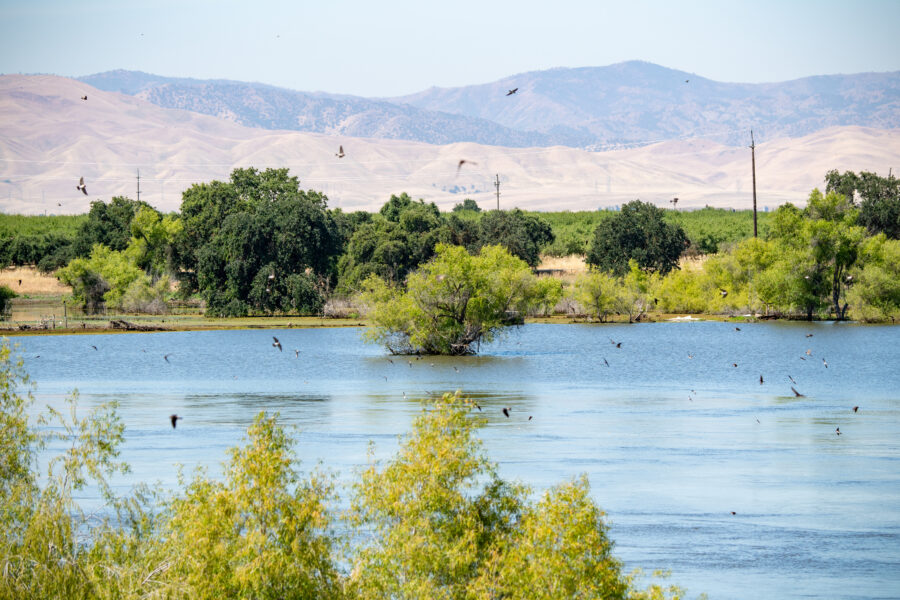
DWR Releases San Joaquin River Watershed Studies to Inform Recharge in the Region

The watershed studies released this winter offer regional-scale information on hydrology, infrastructure, and recharge potential so local partners can better coordinate diversions, improve public safety, and enhance long-term water supply reliability.

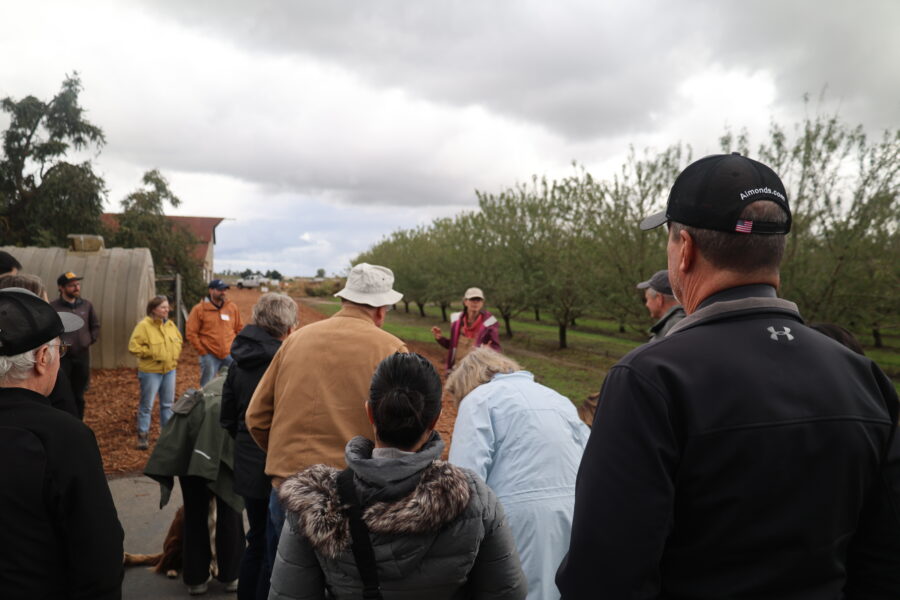
Notes from the Field: Central Valley Climate Resilience Tour

On October 14th, more than 30 Sustainable Conservation community members, donors, Board members, and staff piled into a tour bus for a jam-packed day of sightseeing cutting-edge climate resilience projects throughout the Central Valley.

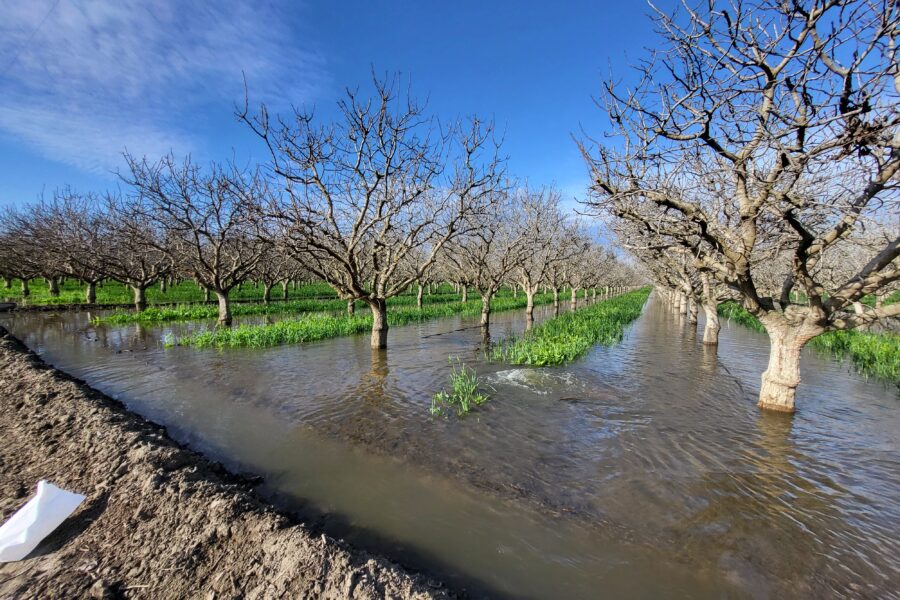
Improving Recharge Outcomes and Soil Health: Combining Cover Cropping and On-Farm Recharge in California Pistachio Orchards

What if we could make OFR even better? What if we could enhance water infiltration, reduce nutrient leaching, and improve soil health all at the same time? That’s exactly what we’re exploring through this Specialty Crop Block Grant Program project combining cover cropping with on-farm recharge in California pistachio orchards.

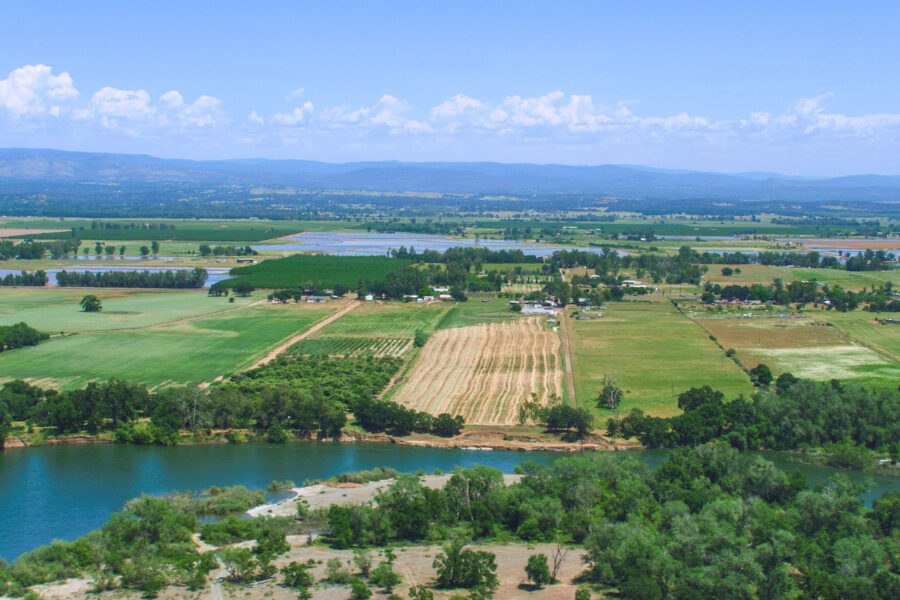
Building Climate Resilience in California’s Central Valley: How Watershed Modeling has Recharged Planning

The Merced study represents a shift toward integrated, climate-smart water management in California. It’s about connecting local projects with regional strategies, blending green infrastructure with grey infrastructure, and preparing for a future where flexibility and foresight are essential.

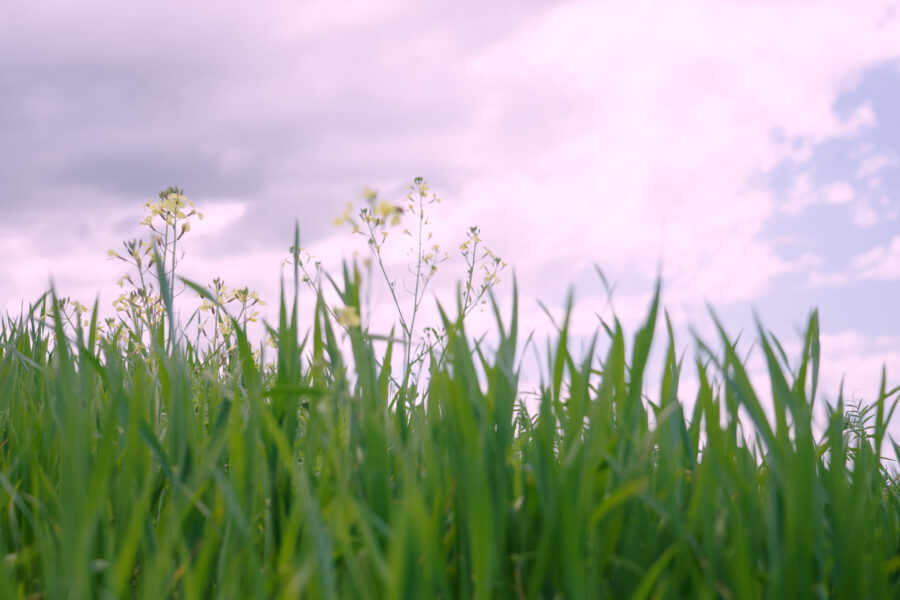
Turning Science into Policy: ETSGSA Pioneers a Water Credit for Cover Crops

Cover crops are a known practice in California agriculture for reducing water runoff, increasing the amount of water that can infiltrate and stay in the soil, improving biodiversity, limiting groundwater pollution, and supporting better air quality, among other benefits. But under the Sustainable Groundwater Management Act (SGMA), concerns persist about whether cover crops “count against” growers’ limited water budgets and begs the question, is cover cropping worth the risk?

Here’s why Central Valley farmers should champion this California climate proposition | Don Cameron in the Fresno Bee

Read Don Cameron’s Fresno Bee op-ed on why a vote for California’s Proposition 4
presents historic investment in nature-based solutions to safeguard both natural resources and the communities that rely on them.